
Influence can be deafening, yet prestige holds the most power

In today's digital landscape, authority is no longer solely earned through competence, consistency, and character, but also competes with attention in a world driven by algorithms and instant validation.
nThis shift has led many professionals to question whether they are building careers or merely seeking clout, a dilemma explored in the Difficult Conversation Africa Podcast episode titled “Career, Reputation versus Clout: The Social Media Trap”.
nThe issue at hand extends far beyond a single programme, speaking to a broader dilemma of our time, where the pursuit of long-term credibility is often traded off for short-term digital popularity.
nSocial media platforms such as Instagram, TikTok, X, and LinkedIn have democratized visibility, allowing individuals like a young lawyer in Lagos to reach a global audience, a startup founder to pitch ideas to investors, and a graduate to showcase skills without needing institutional validation.
nWhen used strategically, these platforms can be powerful tools for thought leadership, networking, and professional growth, yet the metrics of the digital world, such as likes and followers, are increasingly being mistaken for markers of real-world success.
nAttention has become conflated with authority, and influence has been reduced to mere visibility, leading to a situation where substance is often sacrificed for sensationalism in the race to remain relevant in crowded feeds.
nThe problem lies not with social media itself, but with motivation, as platforms can be used to share expertise and contribute to public discourse when used deliberately, but can also be used to pursue virality at any cost through performative outrage or controversy.
nProfessionals have faced consequences such as lost jobs, withdrawn contracts, and stalled promotions due to their online presence, and recruiters and hiring managers now conduct digital background checks as part of routine screening, treating a candidate's online footprint as central to employability.
nReputation, as emphasized by the podcast, takes years to build but can be damaged in seconds, and the dopamine-driven feedback loop of social media encourages extremes, where outrage travels faster than nuance and hot takes outperform careful analysis.
nThe global “creator economy” fuels the illusion that follower count equates to influence and wealth, but the reality is that most individuals do not monetize their influence successfully, and the chase for visibility often results in burnout, distraction, and diluted professional focus.
nEntrepreneurs are not immune to this phenomenon, as brand theatrics may generate traffic, but attention without trust does not convert, and investors and clients prioritize reliability, competence, and integrity over a loud brand.
nStudents and early-career professionals face even greater risk, as universities and employers now integrate digital citizenship into training programmes, recognizing that online behaviour can shape offline opportunities, and a careless post can shadow a job interview.
nDigital literacy in 2026 must go beyond knowing how to post, and include understanding how posts shape perception, and the alternative to this is not silence, but a strategy, where a reputation-first approach demands clarity of purpose and alignment with long-term goals.
nPeriodic social media audits should become routine, and personal and professional content can be separated where necessary, with a simple question preceding every post: Will this strengthen or weaken my future opportunities?
nThis is not an argument against boldness or authenticity, but a call for discernment, as authority is built through demonstrated expertise and consistent value, and cannot be algorithmically manufactured in a world where digital footprints are permanent and public perception travels instantly.
nIn this landscape, professionals must decide what they are optimising for, fleeting validation or enduring value, and the choice is stark, between chasing noise or building nuance, and prioritising applause or cultivating authority.
nFor those serious about sustainable careers, the answer should be obvious: in the economy of influence, reputation remains the only currency that appreciates over time, a point emphasized by Olaito, a journalist, writing from Lagos.
Related Stories
 Breaking News
JAMB NO LONGER MANDATORY FOR ADMISSION – FG EMPOWERS INSTITUTIONS TO ADMIT STUDENTS USING SSCE RESULTS
The Federal Government, through the Ministry of Education, has announced a new policy granting Nigerian tertiary institutions greater autonomy in thei
 Breaking News
How We Kidnapped Bayelsa Judge - Suspects
Suspects in the abduction of Justice Ebiyerin Omukoro have narrated how they committed the crime. rnrnEight of the suspects, which included six males
 Breaking News
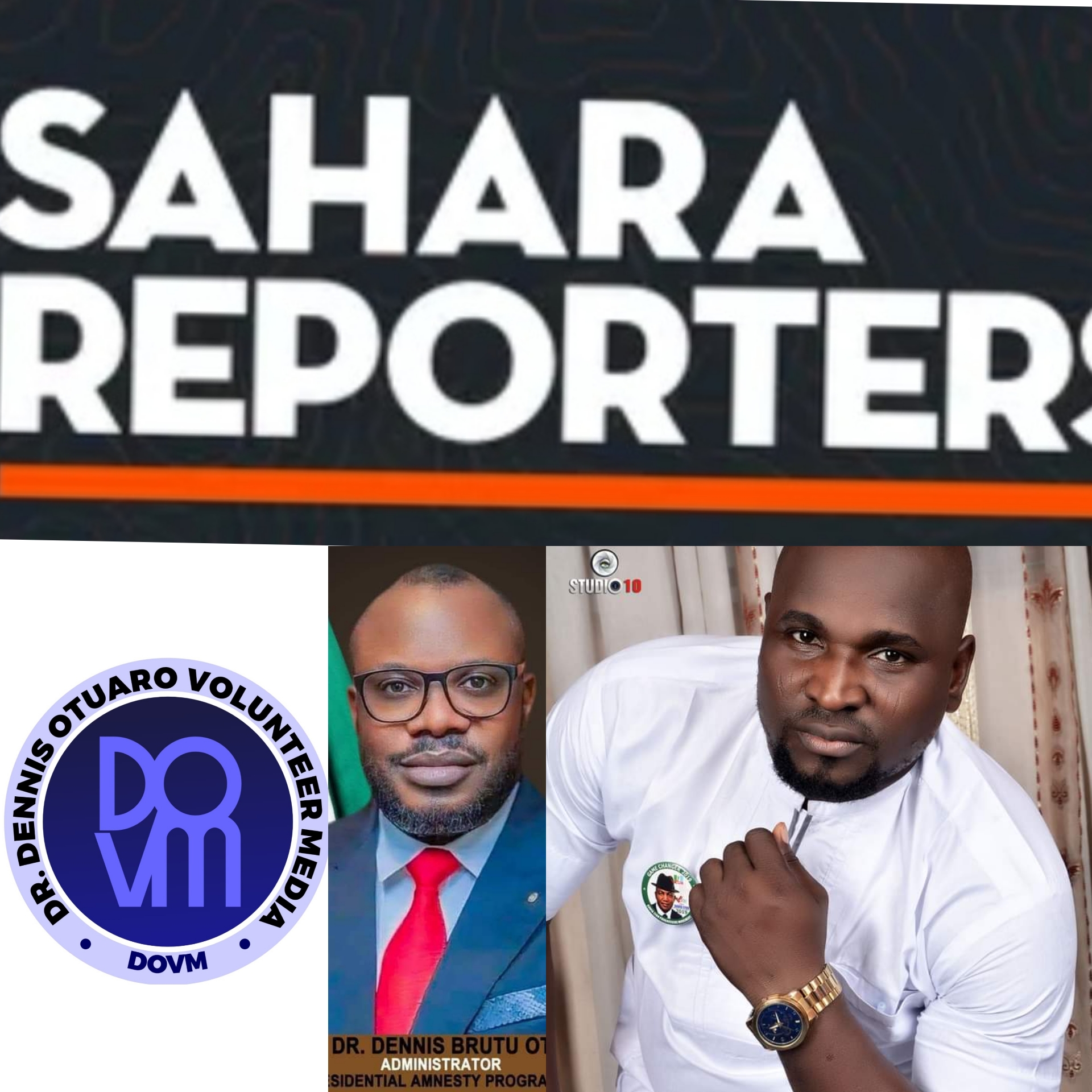
Dr. Dennis Otuaro Volunteer Media Team Berates SaharaReporters Over Unfounded Allegations Against PAP Administrator
The attention of the Dr. Dennis Otuaro Volunteer Media Team has been drawn to a recent misleading and malicious publication by SaharaReporters, accusi