
Youths from Ijaw and Ogoni communities reject National Assembly's pipeline probe, call for contract power to be spread locally
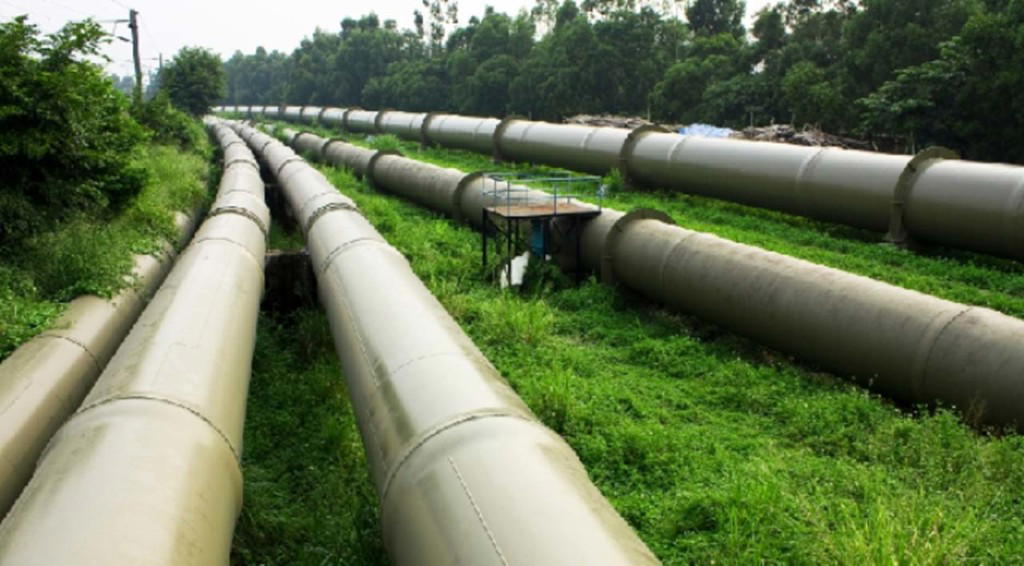
File image
nBy Omeiza Ajayi
nABUJA: The Ijaw and Ogoni ethnic nationalities of Rivers State on Friday disowned claims by the National Assembly regarding their involvement in a recent roundtable on crude oil theft and pipeline surveillance.
nIn a move that signals a deepening rift between the federal government and Niger Delta host communities, the Ijaw Youth Council IYC, the National Youth Council of Ogoni People NYCOP and other stakeholders insist they were completely excluded from the engagement.
nTo register their grievances, the groups staged a massive peaceful protest in Gokana Local Government Area, where leaders argued that sidelining primary actors in pipeline protection undermines the entire security apparatus of the region.
nPresident of the Ijaw Youth Council Worldwide, Dr Alaye Tari Theophilus in a statement, said the exclusion was “unacceptable.”
nHe called for an immediate intervention from the Presidency and the Office of the National Security Adviser ONSA, stressing that the only sustainable path forward is the total decentralization of pipeline surveillance contracts.
n“Host communities possess deep knowledge of the terrain, creeks and local movement patterns,” Theophilus stated, arguing that local actors are in the best position to detect and prevent vandalism.
nHe explained that decentralization would “ensure faster response to security breaches, eliminate bureaucratic delays, and strengthen grassroots intelligence gathering.”
nSpeaking in the same vein, President of the National Youth Council of Ogoni People, Marcus Raymond Nwibani, warned that the current exclusion “erodes trust and weakens the fight against crude oil theft.”
nNwibani noted that decentralizing the contracts would do more than just secure infrastructure; it would “create employment opportunities for thousands of youths, reduce poverty, and discourage involvement in illegal oil activities.”
nThe protest also highlighted long-standing grievances regarding the marginalization of indigenous people.
nPresident of the Ogoni Youths Federation, Emmanuel Bie, pointed out the irony of Ogoni land hosting over forty oil wells while indigenous participation in surveillance remains “significantly low.”
nHe maintained that involving host communities directly would “foster a sense of ownership, reduce sabotage and enhance accountability.”
nThe youth leaders collectively argued that moving away from centralized contracts is a “strategic necessity” that would promote transparency and reduce the corruption.
nThey emphasized that as the primary victims of environmental degradation caused by oil spills, host communities have the strongest inherent commitment to safeguarding pipelines.
nThe statement declared that meaningful inclusion is not just a request for fairness but the most effective solution for lasting peace and stability in the Niger Delta, aligning with the principles of equity and true federalism.
n nRelated Stories
 General News
CELEBRATING TWO YEARS OF TRANSFORMATIONAL LEADERSHIP IN THE PRESIDENTIAL AMNESTY PROGRAMME
Tomorrow, 14TH March 2026, as we look forward to the second anniversary, we reflect on the remarkable two years since the Administrator of the Preside
 General News
PRESIDENTIAL AMNESTY PROGRAMME PHASE 3: DISREGARD PURPORTED STATEMENT ON DELAYED ITA PAYMENTS — OFFICE OF NATIONAL CHAIRMAN
The Office of the National Chairman of the Presidential Amnesty Programme Phase 3, General Elaye ThankGod Dollar Slaboh, has called on beneficiaries a
 General News
RE: CLARIFICATION ON MY PERSONAL RELATIONSHIPS
PUBLIC NOTICErnrnRE: CLARIFICATION ON MY PERSONAL RELATIONSHIPSrnrnIt has become necessary to make this public clarification following the increasing