
Your smartphone has a limited lifespan – this is how you can discover when it's due to expire
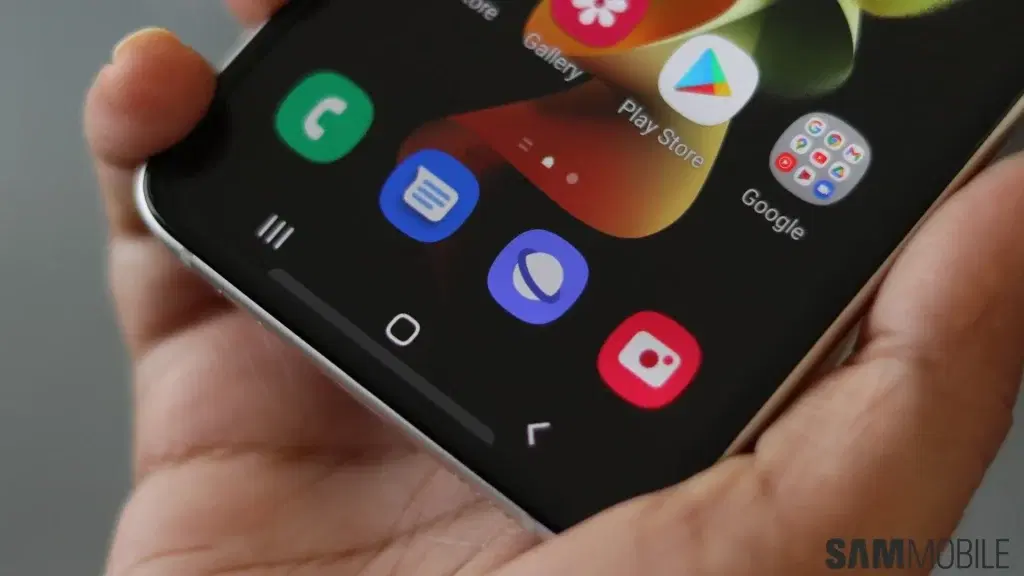
Despite being able to turn on, run applications, and make calls, an Android phone's functionality does not necessarily guarantee its safety or reliability, as its lifespan is tied to software support rather than hardware.
nManufacturers' cessation of updates renders phones outdated, less secure, and incompatible with newer applications and services, with warning signs often appearing before the device completely fails.
nSoftware support determines an Android phone's lifespan, with most manufacturers now promising between four and seven years of support for newer devices, during which phones receive major Android upgrades, security patches, bug fixes, and performance improvements.
nOnce the support window closes, the device begins approaching its "expiry date," a critical consideration for those purchasing older phones at discounted prices or through second-hand markets, as a cheap smartphone may only have a year or two of support left.
nEven premium devices eventually lose support, with Samsung, for example, promising seven years of updates for newer flagship models such as the Samsung Galaxy S25 Ultra.
nOne of the clearest signs that an Android phone is nearing expiration is when it stops receiving Android updates, which can be checked in the settings menu, where manufacturers usually announce the support period.
nAnother major warning sign is the end of security updates, which protect phones against hackers, malware, and newly discovered cyber threats, making personal data more vulnerable without them.
nUsers may also notice that some applications no longer install or receive updates from the Google Play Store, with banking apps, messaging platforms, and productivity tools often among the first to drop support for older Android versions.
nPerformance issues can also increase over time, with apps crashing more frequently, battery life worsening, and newer software features no longer working properly.
nAn expired phone does not suddenly stop working, as many older Android devices continue functioning for years after their final update, performing reasonably well for basic tasks like calls, texting, browsing, and streaming videos.
nHowever, the bigger concern is security and compatibility, as unsupported phones become increasingly risky for activities involving sensitive information such as online banking, digital payments, or storing personal data.
nExperts generally recommend replacing an Android device once security updates end completely, especially if it is used for financial transactions or work-related information, while older devices can still serve as backup phones, media players, or secondary devices for simple everyday tasks.
nBefore buying any Android phone, new or used, checking its remaining software support period may be just as important as looking at the camera, battery, or storage size, to ensure the device remains safe and reliable to use.
Related Stories
 General News
CELEBRATING TWO YEARS OF TRANSFORMATIONAL LEADERSHIP IN THE PRESIDENTIAL AMNESTY PROGRAMME
Tomorrow, 14TH March 2026, as we look forward to the second anniversary, we reflect on the remarkable two years since the Administrator of the Preside
 General News
PRESIDENTIAL AMNESTY PROGRAMME PHASE 3: DISREGARD PURPORTED STATEMENT ON DELAYED ITA PAYMENTS — OFFICE OF NATIONAL CHAIRMAN
The Office of the National Chairman of the Presidential Amnesty Programme Phase 3, General Elaye ThankGod Dollar Slaboh, has called on beneficiaries a
 General News
RE: CLARIFICATION ON MY PERSONAL RELATIONSHIPS
PUBLIC NOTICErnrnRE: CLARIFICATION ON MY PERSONAL RELATIONSHIPSrnrnIt has become necessary to make this public clarification following the increasing