
Will the NDC Address Mounting Issues in Abia State Ahead of 2027?
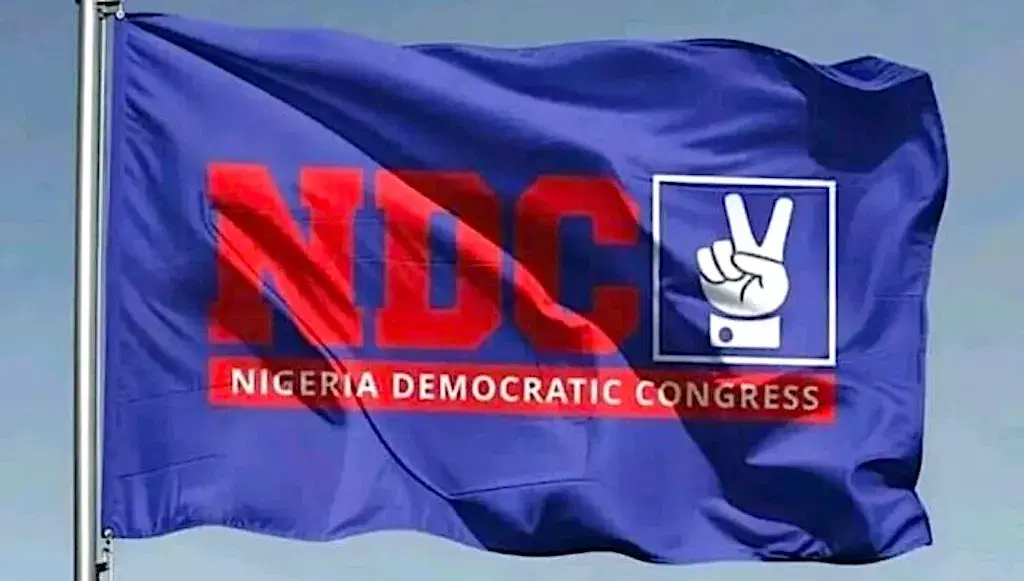
As the 2027 general elections in Nigeria draw near, political parties are under pressure to strengthen their internal structures, boost member confidence, and position themselves as credible alternatives to voters, with the Nigeria Democratic Congress (NDC) in Abia State facing concerns about fairness, inclusiveness, and internal democracy.
nIn Abia State, NDC members are engaged in discussions about whether the allocation of party tickets reflects the principles of equity, justice, and balanced representation, with many stakeholders arguing that the selection process should foster unity and ensure all communities feel fairly represented.
nThe situation in the Abia North Senatorial District, particularly in the Arochukwu axis, is receiving considerable attention, with concerns raised about the allocation of the House of Representatives ticket and the Abia State House of Assembly ticket to aspirants from Atani community in Arochukwu.
nCritics argue that this decision overlooked the aspirant who emerged victorious in the NDC primary election for the Arochukwu State Constituency, who is from Ututu, a clan that has never produced a member of the Abia State House of Assembly and is believed to be due for the opportunity under the principle of political rotation.
nParty leaders may have had reasons for their decisions, but critics contend that such an arrangement could create perceptions of exclusion among other communities that have invested time, resources, and commitment in building the party.
nCandidate selection is not just about choosing individuals for elective office, but also about managing diversity, promoting inclusiveness, and strengthening public confidence in the party's internal democratic processes, according to many political observers.
nWhen committed members question whether fairness and equity have been considered, party leaders have a responsibility to engage with those concerns openly and transparently, as concentrating key elective positions within a single community may unintentionally weaken the sense of belonging among supporters from other villages and wards.
nSeveral stakeholders argue that members who feel marginalized may become less motivated during campaigns, potentially reducing grassroots support that often determines the outcome of closely contested elections, and that political success is built on collective effort, shared ownership, and confidence that every stakeholder has a meaningful place within the party.
nConcerns about zoning, political balance, and candidate selection are not limited to Arochukwu, with similar questions emerging in other parts of Abia State, and many party members believe that addressing these issues proactively would strengthen the NDC.
nDialogue, transparency, and genuine reconciliation are seen as proven approaches that have enabled political parties to overcome internal disagreements ahead of major elections, and those advocating for a review insist that their position is not opposition to the party, but a constructive appeal for reforms to make the NDC more united, inclusive, and electorally competitive.
nOverlooking widely accepted and popular aspirants could diminish the party's appeal in communities where local acceptance and grassroots support are essential to electoral success, according to advocates for a review, who argue that the party's decisions should maximize its chances of electoral success across Abia State.
nMembers are asking straightforward yet significant questions, including whether the NDC is making decisions that prioritize equity, inclusiveness, and long-term electoral strategy, and whether every aspirant received fair and equal consideration throughout the nomination process.
nSuccessful political parties understand that unity must be built through fairness, accountability, transparency, and mutual respect, and that members who dedicate time, resources, and commitment to building a political platform expect decisions that reflect the collective interest rather than the interests of a select few.
nAs preparations for the 2027 elections gather momentum, many loyal party faithful believe this is the time for the national and state leadership of the Nigeria Democratic Congress to engage members openly, clarify the rationale behind key decisions, and reassure stakeholders that the party remains committed to justice, equity, inclusiveness, and internal democracy.
nSuch engagement could help restore confidence, ease tensions, and reinforce the unity required to effectively compete in the forthcoming elections, as elections are won not only through campaign promises but also through the level of confidence, cohesion, and trust within a political party.
nThe way the Nigeria Democratic Congress responds to these growing concerns in Abia State may ultimately determine whether it enters the 2027 general elections as a united political force capable of inspiring voters or as a party still grappling with avoidable internal divisions.
Related Stories
 General News
CELEBRATING TWO YEARS OF TRANSFORMATIONAL LEADERSHIP IN THE PRESIDENTIAL AMNESTY PROGRAMME
Tomorrow, 14TH March 2026, as we look forward to the second anniversary, we reflect on the remarkable two years since the Administrator of the Preside
 General News
PRESIDENTIAL AMNESTY PROGRAMME PHASE 3: DISREGARD PURPORTED STATEMENT ON DELAYED ITA PAYMENTS — OFFICE OF NATIONAL CHAIRMAN
The Office of the National Chairman of the Presidential Amnesty Programme Phase 3, General Elaye ThankGod Dollar Slaboh, has called on beneficiaries a
 General News
RE: CLARIFICATION ON MY PERSONAL RELATIONSHIPS
PUBLIC NOTICErnrnRE: CLARIFICATION ON MY PERSONAL RELATIONSHIPSrnrnIt has become necessary to make this public clarification following the increasing