
Why Atiku stayed away from Peace Accord signing — ADC
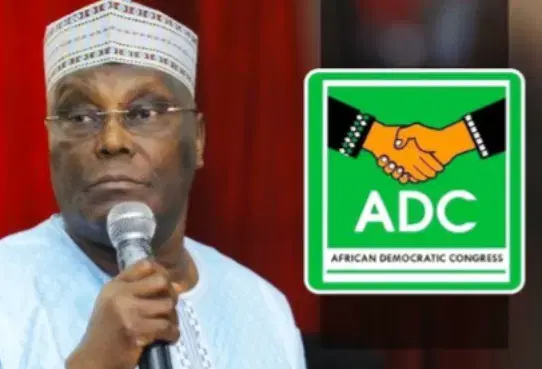
The African Democratic Congress (ADC) has explained why its presidential candidate, Atiku Abubakar, did not attend the signing of the National Peace Accord, saying the decision was intended to protest what it described as the failure of the process to effectively respond to electoral violence.
nThe party’s National Publicity Secretary, Bolaji Abdullahi, disclosed this on Friday during an interview on Channels Television’s Sunrise Daily.
nAbdullahi said the party deliberately stayed away from the ceremony because similar peace agreements had been signed during previous election cycles without, in its view, sufficient action when political violence occurred.
nHe argued that the National Peace Committee, which facilitates the accord, should do more than bring political candidates together to sign agreements ahead of elections.
n“We’ve been signing this thing year in, year out; every election cycle, we sign in support of this commitment. Things still happen; people still get killed, harassed, like in the case of Osun, but we don’t hear the Peace Committee say anything,” Abdullahi said.
nThe ADC spokesman specifically cited the violence surrounding the recent Osun State governorship election, alleging that the committee failed to respond publicly to comments by Senator Francis Fadahunsi that, according to him, could encourage violence.
n“When Senator Fadahunsi said that they should go out and kill people, we didn’t hear the Peace Committee say anything. So, what is the point? So, it’s our (ADC) way of saying no,” he said.
nAbdullahi said the party’s boycott was therefore intended to pressure the committee to make the peace process more effective and ensure that political actors were held accountable for inflammatory statements and actions.
n“If we want to be part of this, if you want to be taking us seriously, then you need to up your game,” he said.
nHe also criticised what he described as the failure to challenge political statements that could contribute to electoral violence, regardless of who makes them.
nThe ADC spokesman referred to a statement attributed to President Bola Tinubu during the Osun election period, arguing that the Peace Committee should have publicly cautioned the President if it considered the comment inappropriate.
n“When the President said all is fair in politics, he set the narrative for the violence that followed in the Osun election. We didn’t hear the Peace Committee say, ‘No, Mr President, that is not a good thing to say,’” Abdullahi said.
nHe maintained that the party was not opposed to the objective of promoting peaceful elections but wanted the process to include concrete measures for enforcing commitments made by political actors.
n“We are saying you need to do more. It’s not just to gather us for the ceremony of signing. If we commit to something, you have to be able to ask people to abide by it,” he said.
n nRelated Stories
 General News
CELEBRATING TWO YEARS OF TRANSFORMATIONAL LEADERSHIP IN THE PRESIDENTIAL AMNESTY PROGRAMME
Tomorrow, 14TH March 2026, as we look forward to the second anniversary, we reflect on the remarkable two years since the Administrator of the Preside
 General News
PRESIDENTIAL AMNESTY PROGRAMME PHASE 3: DISREGARD PURPORTED STATEMENT ON DELAYED ITA PAYMENTS — OFFICE OF NATIONAL CHAIRMAN
The Office of the National Chairman of the Presidential Amnesty Programme Phase 3, General Elaye ThankGod Dollar Slaboh, has called on beneficiaries a
 General News
RE: CLARIFICATION ON MY PERSONAL RELATIONSHIPS
PUBLIC NOTICErnrnRE: CLARIFICATION ON MY PERSONAL RELATIONSHIPSrnrnIt has become necessary to make this public clarification following the increasing