
WHO raises alarm over birth defects, calls for wider newborn screening
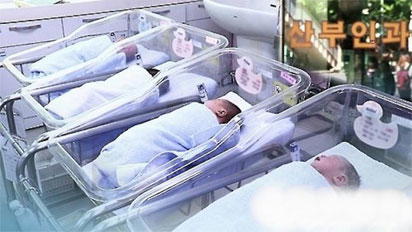
Nigeria records births on new year day – photo for illustration
nEarly diagnosis can save lives, prevent lifelong disability — Tedros
nBy Chioma Obinna
nThe World Health Organisation, (WHO) on Tuesday raised concerns over the growing burden of birth defects globally, calling on countries to expand newborn screening programmes to improve early detection and access to treatment.
nWHO in its newly unveiled report highlighted newborn screening as a critical strategy to reduce child mortality and prevent lifelong disabilities caused by congenital conditions.
nAccording to the report, Strengthening Capacity for Newborn Screening, Diagnosis and Management of Birth Defects, an estimated eight million babies are born with birth defects each year, with such conditions now accounting for nearly eight per cent of deaths among children under five worldwide.
nThe WHO warned that millions of children, especially in low- and middle-income countries, are either diagnosed too late or never receive treatment, despite the fact that many conditions can be effectively managed if detected early.
nConditions such as congenital hypothyroidism, sickle-cell disease, hearing impairment and metabolic disorders can be treated successfully when identified shortly after birth, the report noted.
nSpeaking on the report, WHO Director General, Tedros Adhanom Ghebreyesus who stressed the need for urgent action, said early diagnosis remains key to giving every child a healthy start in life.
n“No child should miss the chance for a healthy future because a congenital condition was not detected early enough. Countries are showing that newborn screening can save lives, prevent disability and give newborns the best opportunity to fulfill their potential.”
nThe agency said the disparity in screening capacity remains stark, with some countries able to screen newborns for more than 50 conditions, while others are yet to establish any programme.
nIt noted that birth defects now make up a rising share of child deaths in regions such as sub-Saharan Africa and South Asia, partly due to progress made in reducing deaths from infectious diseases.
nTo bridge the gap, WHO is urging governments to integrate newborn screening, diagnosis and treatment into routine healthcare and universal health coverage programmes, starting with priority conditions based on their national burden.
nThe report also highlighted progress in countries such as Uganda, India, Brazil and Philippines, where newborn screening has been successfully integrated into health systems, improving early intervention and long-term care for affected children.
n nRelated Stories
 General News
CELEBRATING TWO YEARS OF TRANSFORMATIONAL LEADERSHIP IN THE PRESIDENTIAL AMNESTY PROGRAMME
Tomorrow, 14TH March 2026, as we look forward to the second anniversary, we reflect on the remarkable two years since the Administrator of the Preside
 General News
PRESIDENTIAL AMNESTY PROGRAMME PHASE 3: DISREGARD PURPORTED STATEMENT ON DELAYED ITA PAYMENTS — OFFICE OF NATIONAL CHAIRMAN
The Office of the National Chairman of the Presidential Amnesty Programme Phase 3, General Elaye ThankGod Dollar Slaboh, has called on beneficiaries a
 General News
RE: CLARIFICATION ON MY PERSONAL RELATIONSHIPS
PUBLIC NOTICErnrnRE: CLARIFICATION ON MY PERSONAL RELATIONSHIPSrnrnIt has become necessary to make this public clarification following the increasing