
Violent Easter Period Claims 147 Lives in Nigeria
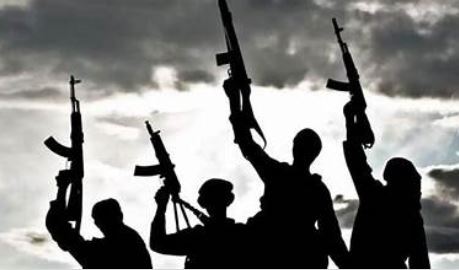
Nigeria was plunged into chaos during the 2026 Christian Holy Week, with at least 147 people losing their lives in a series of coordinated attacks, communal clashes, terrorist raids, and criminal violence across the country between March 29 and April 5.
nThis number is likely an underestimate, as many incidents go unreported or underreported, and the true extent of the bloodshed may be even more severe.
nThe violence affected multiple states, including Plateau, Benue, Kaduna, Nasarawa, Niger, Borno, Zamfara, Cross River, Akwa Ibom, and Imo, sparking widespread outrage among citizens, religious leaders, and civil society groups, who are calling for urgent security reforms.
nThe carnage began on March 29, Palm Sunday, which also marked President Bola Tinubu's 74th birthday, with a combined death toll of 41 in Plateau and Kaduna states.
nIn Plateau, 28 people were massacred in the Angwa Rukuba community, Jos North Local Government Area, while in Kaduna, 13 wedding guests were gunned down in Kahir village, Kagarko LGA.
nOn the same day, a domestic violence incident in Ogoja, Cross River State, claimed one life, and a clash between troops and youths in Ukpe Ete, Ikot Abasi LGA of Akwa Ibom State, left two people dead and several injured.
nOn March 30, Boko Haram terrorists launched an attack on Kaunkan village in Chibok LGA of Borno State, killing nine people, including a hunters' commander, Mallam Bumto.
nIn Zamfara, bandits intercepted a Sokoto Transport Authority bus, killing one passenger and abducting 15 others, highlighting the spread of terror and banditry.
nSecurity forces achieved limited successes, neutralizing two IPOB/ESN IED specialists in Orsu, Imo State, and three terrorists in Bama LGA of Borno State on March 31.
nHowever, on the same day, at least 20 residents were killed in coordinated night attacks on communities in Niger State, with scores displaced, underscoring the escalating violence.
nOn April 1, gunmen attacked Herpang community near Plateau State Polytechnic, killing two people, as clashes and reprisals continued to escalate.
nApril 2 saw one of the deadliest incidents, with clashes between indigenes and Fulani settlers in Nasarawa State leaving no fewer than 20 people dead, and many still missing.
nBy April 4, terrorists had intensified their attacks in the North-East, killing four police officers and a local hunter in coordinated assaults on Nganzai and Damasak communities in Borno State.
nIn Plateau, three people were shot dead in Nyango Gyel, Jos South LGA, as the violence showed no signs of abating.
nThe bloodshed peaked on April 5, Easter Sunday, with 24 deaths recorded in Benue and Kaduna states, including 17 residents killed in Agene community, Mbalom, Gwer East LGA, in an attack blamed on suspected herders.
nIn Kaduna, terrorists targeted worshippers at ECWA Church and St. Augustine Catholic Church in Ariko, Kachia LGA, killing seven people and abducting several others, in a tragic Easter Sunday incident.
nPresident Tinubu condemned the killings, describing them as "barbaric and unacceptable," and directed security agencies to apprehend the perpetrators, vowing that "no community should live in fear during a sacred period of worship."
nThe President's Special Adviser on Information quoted him as saying, "We will not relent until these enemies of peace are crushed," in a statement responding to the violence.
nSecurity agencies, including the Nigerian Army and Nigeria Police Force, stated that intensified operations were underway nationwide, citing recent successes against insurgents in Borno and Imo states as evidence of their efforts.
nA senior military source acknowledged, however, that "the asymmetric nature of the threats and vast ungoverned spaces" continue to pose significant challenges to security forces.
nThe Christian Association of Nigeria, CAN, denounced the attacks, particularly those on Easter worshippers, as "a direct assault on faith and humanity," and urged the government to declare a state of emergency on security.
nSecurity experts and civil society organizations warned that the persistent killings reflect systemic failures, with a security analyst noting that "What we are seeing is a dangerous convergence of terrorism, banditry, and communal conflicts."
nThe analyst emphasized that "Without coordinated intelligence and local policing, the cycle will continue," highlighting the need for a more comprehensive approach to addressing the violence.
nWith 147 lives lost in just seven days, equivalent to 21 deaths per day, many Nigerians fear that the country is sliding deeper into insecurity, despite repeated assurances from authorities.
nThe Holy Week tragedy has once again underscored the urgency of decisive, coordinated, and sustained action to stem the tide of bloodshed, as the nation mourns the loss of life and struggles to find a way forward.
Related Stories
 General News
CELEBRATING TWO YEARS OF TRANSFORMATIONAL LEADERSHIP IN THE PRESIDENTIAL AMNESTY PROGRAMME
Tomorrow, 14TH March 2026, as we look forward to the second anniversary, we reflect on the remarkable two years since the Administrator of the Preside
 General News
PRESIDENTIAL AMNESTY PROGRAMME PHASE 3: DISREGARD PURPORTED STATEMENT ON DELAYED ITA PAYMENTS — OFFICE OF NATIONAL CHAIRMAN
The Office of the National Chairman of the Presidential Amnesty Programme Phase 3, General Elaye ThankGod Dollar Slaboh, has called on beneficiaries a
 General News
RE: CLARIFICATION ON MY PERSONAL RELATIONSHIPS
PUBLIC NOTICErnrnRE: CLARIFICATION ON MY PERSONAL RELATIONSHIPSrnrnIt has become necessary to make this public clarification following the increasing