
US ends temporary protection for 4 African countries, deportations fear rise – See list
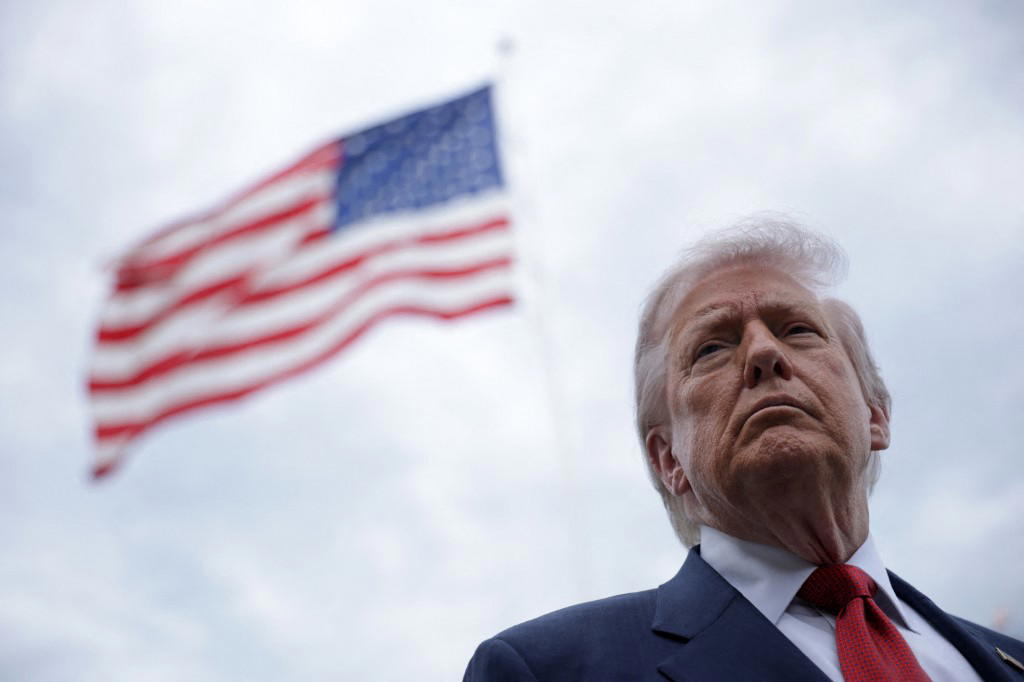
U.S. President Donald Trump speaks to members of the media prior to a Marine One departure from the South Lawn of the White House. Alex Wong/Getty Images/AFP (Photo by ALEX WONG / GETTY IMAGES NORTH AMERICA / Getty Images via AFP)
nThe Trump administration has ended Temporary Protected Status (TPS) for nationals of Cameroon, Ethiopia, Somalia and South Sudan living in the United States, as part of a wider rollback of the humanitarian immigration programme.
nThe move means eligible nationals from the four African countries who relied on TPS to remain and work legally in the US could lose those protections if they do not have another lawful immigration status.
nTPS is a temporary humanitarian programme that allows eligible nationals of designated countries to remain in the US when conditions such as armed conflict, natural disasters or other extraordinary circumstances make it unsafe for them to return. It does not provide permanent residency or a pathway to US citizenship.
nSomalia is among the latest countries to have its TPS protection terminated, joining a growing list of countries affected by the Trump administration’s immigration policy changes.
nThe broader list includes
nHaiti
nSyria
nYemen
nAfghanistan
nCameroon
nNepal
nHonduras
nNicaragua
nVenezuela
nSouth Sudan
nMyanmar
nSomalia.
nFor affected nationals without another valid immigration status, the loss of TPS can mean the end of protection from deportation and the loss of employment authorisation.
nHowever, termination of TPS does not automatically mean that every beneficiary will be deported.
nIndividuals who hold another lawful immigration status, have a pending immigration application or qualify for another form of protection may still have a legal basis to remain in the country.
nTrump administration accelerates TPS rollback
nThe latest terminations form part of the administration’s broader effort to scale back TPS designations that have protected hundreds of thousands of foreign nationals over the years.
nThe programme was designed as a temporary measure, although protections for some countries have been repeatedly extended because the conditions that prompted their designation persisted.
nSomalia, for instance, was first designated for TPS in 1991 following the collapse of state institutions and has remained protected through successive extensions and redesignations.
nSouth Sudan was also designated for TPS amid continuing conflict and humanitarian challenges, while Ethiopia received TPS protection in response to severe humanitarian conditions linked to conflict and instability.
nWith the latest policy changes, nationals of the affected African countries now face uncertainty over their ability to remain and work legally in the US.
nThose who no longer have TPS are expected to consider whether they qualify for another immigration status or form of protection. For those without an alternative legal basis to remain, the end of TPS could eventually expose them to removal proceedings.
n nRelated Stories
 General News
CELEBRATING TWO YEARS OF TRANSFORMATIONAL LEADERSHIP IN THE PRESIDENTIAL AMNESTY PROGRAMME
Tomorrow, 14TH March 2026, as we look forward to the second anniversary, we reflect on the remarkable two years since the Administrator of the Preside
 General News
PRESIDENTIAL AMNESTY PROGRAMME PHASE 3: DISREGARD PURPORTED STATEMENT ON DELAYED ITA PAYMENTS — OFFICE OF NATIONAL CHAIRMAN
The Office of the National Chairman of the Presidential Amnesty Programme Phase 3, General Elaye ThankGod Dollar Slaboh, has called on beneficiaries a
 General News
RE: CLARIFICATION ON MY PERSONAL RELATIONSHIPS
PUBLIC NOTICErnrnRE: CLARIFICATION ON MY PERSONAL RELATIONSHIPSrnrnIt has become necessary to make this public clarification following the increasing