
US clarifies Abuja embassy not closing despite visa processing shake-up
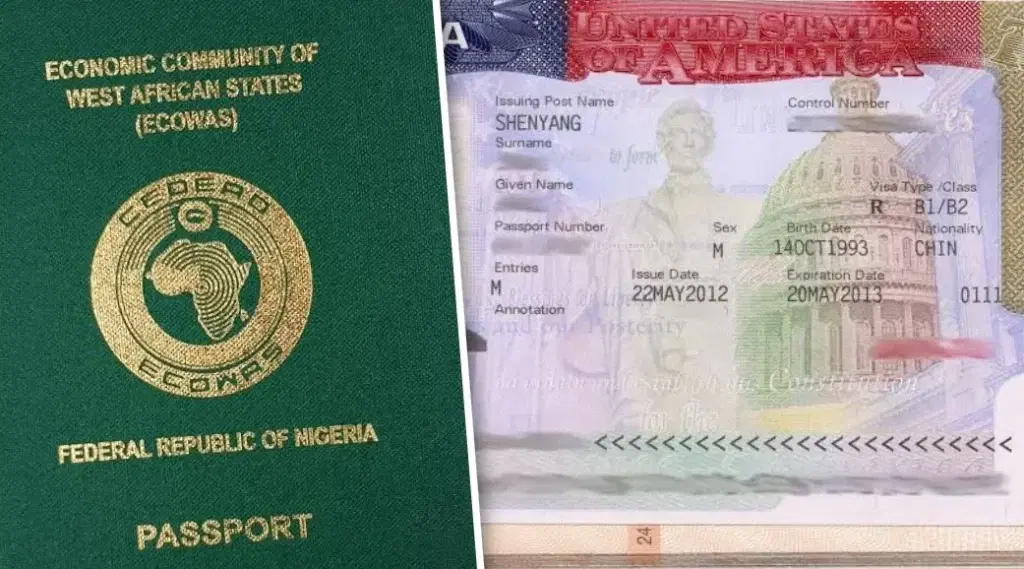
The US Department of State has clarified that its embassy in Abuja is not closing, following the realignment of routine visa processing services from Nigeria and several other African countries to designated regional visa hubs.
nThe clarification comes after the U.S. announced changes to its visa operations across Africa, effective August 1, 2026, as part of an effort to strengthen security screening, improve efficiency and align its overseas operations with U.S. national interests.
nUnder the new arrangement, routine visa services in Abuja, along with those in Antananarivo, Asmara, Bamako, Banjul, Brazzaville, Bujumbura, Conakry, Cotonou, Durban, Freetown, Gaborone, Harare, Juba, Libreville, Lilongwe, Lusaka, Maputo, Maseru, Mbabane, N’Djamena, Niamey, Nouakchott, Ouagadougou and Windhoek, are being realigned to regional visa hubs.
nHowever, the State Department stressed that the changes do not mean the affected diplomatic missions are shutting down.
nResponding to a frequently asked question on the policy, the department said: “The realignment of routine visa processing does not change the operating status of any of the embassies and consulates or the important work they continue to conduct on behalf of the American people.”
nThe department said the move is part of the Trump administration’s broader effort to strengthen national security and ensure government resources are used efficiently.
n“President Trump is putting America and Americans first by strengthening national security, cutting government waste, and ensuring government works in the interests of the American people,” the State Department said.
nIt added that the department is continuously reviewing its overseas operations to advance U.S. priorities while maintaining rigorous security screening and vetting standards for visa applicants.
nAccording to the State Department, the realignment of visa services to designated regional hubs is a long-standing practice that allows for more uniform screening, vetting and adjudication standards while improving operational efficiency.
nThe department said the model has already been successfully implemented in several African countries and in Europe.
nFrom August 1, Nigerians who wish to apply for U.S. visas through the affected routine visa processing system must schedule appointments and pay the required visa fees at designated Nonimmigrant Visa Locations or Immigrant Visa Locations, depending on the type of visa they are seeking.
nThe changes apply to citizens and residents of countries whose routine visa processing has been transferred to regional hubs.
nThe State Department also noted that existing visa restrictions remain in effect, including visa suspensions under Presidential Proclamation 10998, visa bond requirements and immigrant visa pauses affecting certain nationalities.
nDespite the changes to visa processing, the U.S. Embassy in Abuja will continue to operate and perform its diplomatic and consular functions.
nThe development therefore represents a shift in where routine visa applications are processed, rather than the closure of the U.S. Embassy in Abuja.
n nRelated Stories
 General News
CELEBRATING TWO YEARS OF TRANSFORMATIONAL LEADERSHIP IN THE PRESIDENTIAL AMNESTY PROGRAMME
Tomorrow, 14TH March 2026, as we look forward to the second anniversary, we reflect on the remarkable two years since the Administrator of the Preside
 General News
PRESIDENTIAL AMNESTY PROGRAMME PHASE 3: DISREGARD PURPORTED STATEMENT ON DELAYED ITA PAYMENTS — OFFICE OF NATIONAL CHAIRMAN
The Office of the National Chairman of the Presidential Amnesty Programme Phase 3, General Elaye ThankGod Dollar Slaboh, has called on beneficiaries a
 General News
RE: CLARIFICATION ON MY PERSONAL RELATIONSHIPS
PUBLIC NOTICErnrnRE: CLARIFICATION ON MY PERSONAL RELATIONSHIPSrnrnIt has become necessary to make this public clarification following the increasing