
Trump Warns Time Running Out for Iran Amid Stalled Peace Talks
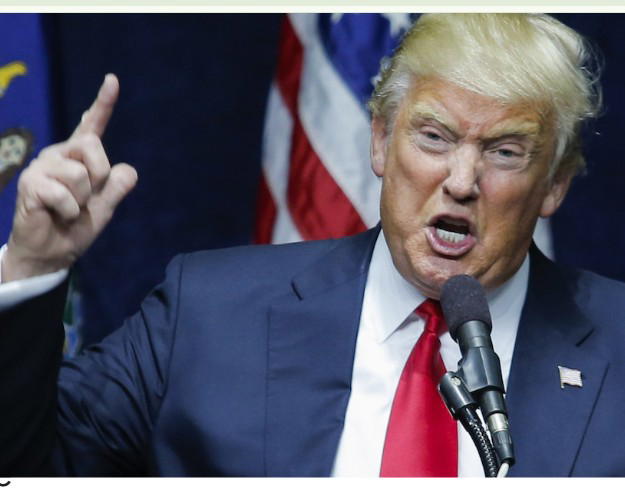
President Donald Trump issued a stark warning to Iran, stating that "there won’t be anything left" of the country if a peace deal is not reached, as tensions between the two nations continued to escalate with drone attacks on US allies in the Gulf.
nThe conflict, which began when US and Israeli forces launched strikes in late February, has put a significant strain on the region, causing energy prices to surge and destabilizing the Middle East.
nPresident Trump took to his Truth Social platform on Sunday to urge Iran to accelerate the peace process, writing "For Iran, the Clock is Ticking, and they better get moving, FAST, or there won’t be anything left of them," and emphasizing that "TIME IS OF THE ESSENCE!".
nDespite efforts to negotiate a lasting agreement through mediator Pakistan, the two sides have yet to reach a breakthrough, with a temporary truce remaining fragile and fresh strikes on Gulf nations occurring on Sunday.
nSaudi Arabia reported intercepting three drones entering the country from Iraqi airspace, while the United Arab Emirates said a drone sparked a fire at its Barakah Nuclear Power Plant, one of three UAVs that entered from the "western border direction".
nUAE presidential adviser Anwar Gargash condemned the attack, which ignited a fire but caused no injuries or impact on radiation levels, stating that "The terrorist targeting of the Barakah clean nuclear power plant, whether carried out by the principal perpetrator or through one of its agents, represents a dangerous escalation".
nIranian-backed armed groups equipped with drones are based in Iraq, and Tehran’s allies in Yemen, the Houthi rebels, also possess combat-grade UAVs, which have been used to attack Gulf states that Tehran claims are harboring US military and economic interests.
nAlthough attacks on the Gulf states have decreased dramatically since the temporary truce was agreed upon on April 8, sporadic strikes have continued, and the war has led to a blockade of the critical Strait of Hormuz, through which around 20 percent of global oil exports pass in peacetime.
nIran's proxy in Lebanon, the armed group Hezbollah, has been launching attacks against Israel, drawing Lebanon into the war, and Israel has responded with air strikes and a ground invasion of south Lebanon, resulting in a significant loss of life.
nA ceasefire is in place between Israel and Lebanon, but the fighting with Hezbollah has not stopped, and Iran has demanded a lasting ceasefire in Lebanon before any broader peace agreement with President Trump, who has been frustrated by Tehran’s refusal to accept a deal on his terms.
nAn Israeli military official reported that Hezbollah had fired around 200 projectiles at Israel and its troops over the weekend, and Lebanon's health ministry said new Israeli strikes on Sunday in the country's south killed five people, including two children.
nAccording to Lebanese authorities, Israeli attacks since the start of the war have killed more than 2,900 people in Lebanon, including 400 since the truce began on April 17.
nIranian media reported that the United States had failed to make any concrete concessions in its latest response to Iran's proposed agenda for negotiations, presenting a five-point list that included a demand for Iran to keep only one nuclear site in operation and transfer its stockpile of highly enriched uranium to the US.
nWashington has refused to release "even 25 percent" of Iranian assets frozen abroad or pay any reparations for damage inflicted during the war, according to the Fars news agency, and the Mehr news agency stated that "the United States, offering no tangible concessions, wants to obtain concessions that it failed to obtain during the war, which will lead to an impasse in the negotiations".
nPakistani Interior Minister Mohsin Naqvi met with Iran's chief negotiator and speaker of parliament, Mohammad Bagher Ghalibaf, on Sunday in Tehran, and Ghalibaf said in a social media post following the talks that the war had destabilized the entire Middle East.
nGhalibaf further stated that "Some governments in the region believed that the presence of the United States would bring them security, but recent events showed that this presence is not only incapable of providing security, but also creates the grounds for insecurity".
Related Stories
 General News
CELEBRATING TWO YEARS OF TRANSFORMATIONAL LEADERSHIP IN THE PRESIDENTIAL AMNESTY PROGRAMME
Tomorrow, 14TH March 2026, as we look forward to the second anniversary, we reflect on the remarkable two years since the Administrator of the Preside
 General News
PRESIDENTIAL AMNESTY PROGRAMME PHASE 3: DISREGARD PURPORTED STATEMENT ON DELAYED ITA PAYMENTS — OFFICE OF NATIONAL CHAIRMAN
The Office of the National Chairman of the Presidential Amnesty Programme Phase 3, General Elaye ThankGod Dollar Slaboh, has called on beneficiaries a
 General News
RE: CLARIFICATION ON MY PERSONAL RELATIONSHIPS
PUBLIC NOTICErnrnRE: CLARIFICATION ON MY PERSONAL RELATIONSHIPSrnrnIt has become necessary to make this public clarification following the increasing