
Troubles deepen for electricity users as power output declines
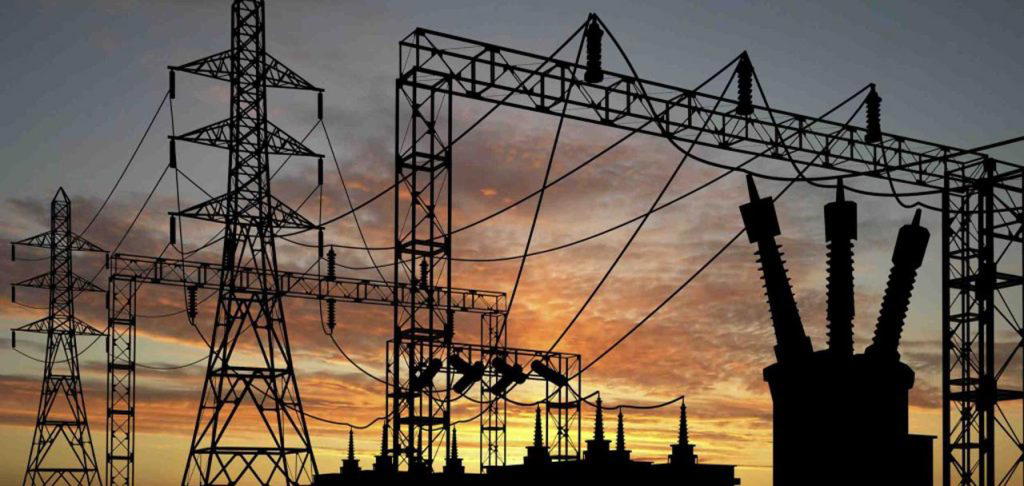
Nigerians and businesses may face ongoing struggles with unreliable electricity supply, as generation plummeted to 3,527.76 megawatts (MW) yesterday, marking a 877.28mw or 19.92 percent decline from the previous day's 4,405.04MW, according to data from the Nigerian Independent System Operator (NISO).
nThe nation's critical electricity infrastructure is struggling to maintain output, prompting stakeholders to warn that the power sector's recovery will be hindered without immediate intervention to address underlying gas supply constraints and aging transmission facilities.
nExperts in the power sector attribute the challenges hindering growth to policy inconsistency, regulatory weaknesses, corruption, and a lack of political will.
nProf. Wumi Iledare, an energy economist, notes that the power sector is not only underperforming but also financially trapped, with over N4 trillion in legacy debt affecting the entire value chain.
nAccording to Iledare, the so-called "solutions" have been temporary fixes, such as Central Bank of Nigeria interventions, guarantees, and subsidies, which address liquidity symptoms but ignore structural failures.
nIledare emphasizes that until Nigeria adopts cost-reflective tariffs with targeted subsidies, enforces market discipline, and resets governance, the sector will remain insolvent, despite being kept alive through policy measures.
nHe stresses that temporary cash injections cannot fix a structurally broken market, and that a more comprehensive approach is needed.
nMuda Yusuf of the Centre for the Promotion of Private Enterprise (CPPE) argues that Nigeria's power sector remains one of the most challenging areas of the country's economic reform agenda.
nDespite multiple reform efforts over the years, the sector continues to face deep structural, financial, and governance challenges, according to Yusuf.
nYusuf identifies these challenges as multi-dimensional, spanning political economy constraints, tariff distortions, weak investor capacity, transmission bottlenecks, and a persistent liquidity crisis across the value chain.
nThe inability to implement a fully cost-reflective tariff regime has led to subsidy dependence and widened the sector's financing gap, making government intervention necessary in the short term to prevent system collapse and sustain electricity supply.
Related Stories
 General News
CELEBRATING TWO YEARS OF TRANSFORMATIONAL LEADERSHIP IN THE PRESIDENTIAL AMNESTY PROGRAMME
Tomorrow, 14TH March 2026, as we look forward to the second anniversary, we reflect on the remarkable two years since the Administrator of the Preside
 General News
PRESIDENTIAL AMNESTY PROGRAMME PHASE 3: DISREGARD PURPORTED STATEMENT ON DELAYED ITA PAYMENTS — OFFICE OF NATIONAL CHAIRMAN
The Office of the National Chairman of the Presidential Amnesty Programme Phase 3, General Elaye ThankGod Dollar Slaboh, has called on beneficiaries a
 General News
RE: CLARIFICATION ON MY PERSONAL RELATIONSHIPS
PUBLIC NOTICErnrnRE: CLARIFICATION ON MY PERSONAL RELATIONSHIPSrnrnIt has become necessary to make this public clarification following the increasing