
Tinubu reveals massive N25 trillion fund to tackle pension challenges
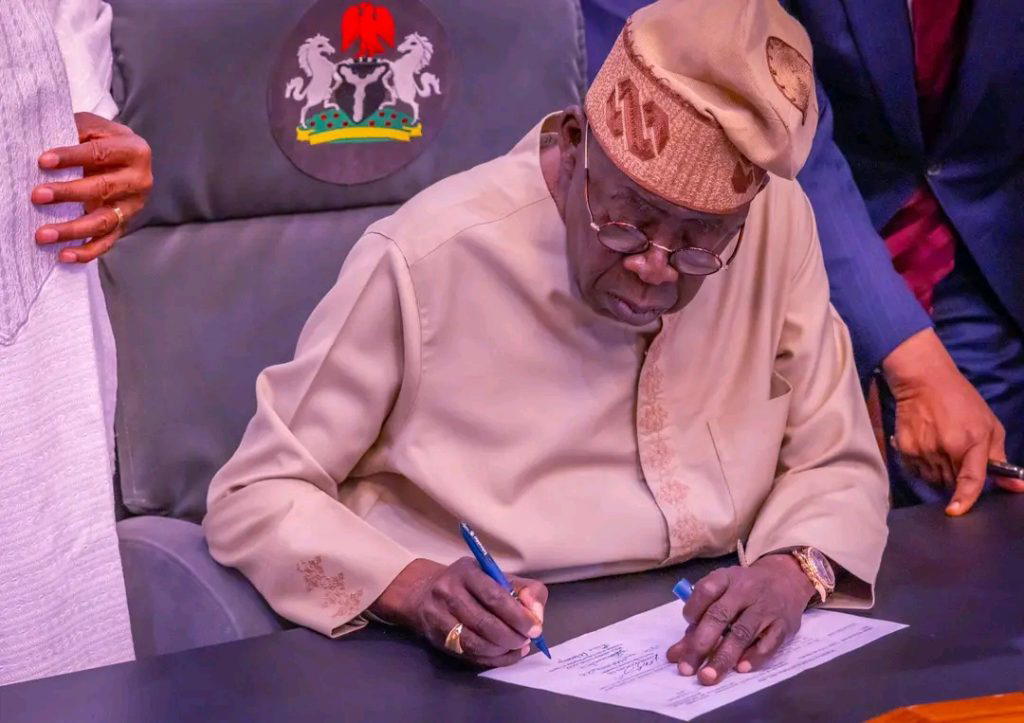
President Bola Tinubu has introduced a N25 trillion pension asset pool, a key component of his administration's comprehensive social protection initiative, aimed at ensuring that Nigerian workers do not face economic hardship after retirement.
nThis move is part of the President's commitment to shielding workers from economic shocks and workplace risks, as stated during the opening of the ISSA 2026 West Africa Seminar in Abuja.
nSince taking office in 2023, the President has been pursuing the Renewed Hope Agenda, focusing on restoring opportunity, protecting livelihoods, and rebuilding confidence in the economy.
nKey institutions that form the backbone of Nigeria's social security system have been strengthened to deliver better outcomes for workers, according to the President.
nThe Nigeria Social Insurance Trust Fund has been instrumental in strengthening workplace injury protection, with over 7.5 million Nigerian employees currently covered under the Employees' Compensation Scheme.
nThis coverage ensures that families are protected from sudden economic ruin in the event of workplace accidents or disabilities, providing them with a financial safety net.
nUnder the supervision of the National Pension Commission, over 10 million Nigerian workers are actively contributing to the Contributory Pension Scheme, with total pension assets now exceeding N25 trillion.
nRepresented by the Minister of Budget and National Planning, Atiku Bagudu, the President emphasized that the pension reforms represent renewed trust and confidence among workers, beyond the significant financial figures.
nThe President noted that the pension assets represent the hard-earned savings of Nigerian workers, who can now trust that retirement will bring security and peace of mind, rather than hardship and uncertainty.
nEmployment remains the strongest form of social security, with the National Directorate of Employment empowering over two million Nigerians through skill acquisition, entrepreneurship, and job creation programmes.
nIn the healthcare sector, over 16 million Nigerians have been enrolled in programmes under the National Health Insurance Authority, reducing out-of-pocket medical expenses and improving access to care.
nThe Federal Ministry of Humanitarian Affairs and Poverty Reduction continues to support vulnerable households through conditional cash transfers, food security initiatives, and livelihood support, while schemes like N-Power have boosted youth employment and service delivery.
nOngoing housing reforms under the National Housing Fund and the Renewed Hope Housing Programme aim to expand access to affordable housing and promote home ownership among low- and middle-income earners.
nThese interventions are being supported by data integration through the National Social Register, ensuring targeted delivery to vulnerable Nigerians and promoting a more efficient social protection system.
nThe President's objective is to create an integrated and digitally enabled social protection system, where pensions, healthcare, employment support, and social assistance operate as coordinated guarantees of social and economic security.
nDespite its youthful population and economic potential, West Africa remains vulnerable to unemployment, health shocks, and economic uncertainty, highlighting the need for effective social protection systems.
nPresident Tinubu emphasized that effective communication is critical to building trust in social security systems, urging stakeholders to adopt culturally relevant and grassroots-driven approaches.
nMinister of Labour and Employment, Mohammed Maigari Dingyadi, assured that the ministry remains committed to safeguarding workers' welfare through effective policy implementation and oversight.
nThe NSITF, established under the Employees' Compensation Act of 2010, continues to play a vital role in providing compensation for workplace injuries, disabilities, and deaths, according to the Minister.
nManaging Director of the NSITF, Oluwaseun Falaye, stated that the demand for a responsive and stronger social protection system in Nigeria is inevitable, given the country's growing population and dynamic labour market.
Related Stories
 General News
CELEBRATING TWO YEARS OF TRANSFORMATIONAL LEADERSHIP IN THE PRESIDENTIAL AMNESTY PROGRAMME
Tomorrow, 14TH March 2026, as we look forward to the second anniversary, we reflect on the remarkable two years since the Administrator of the Preside
 General News
PRESIDENTIAL AMNESTY PROGRAMME PHASE 3: DISREGARD PURPORTED STATEMENT ON DELAYED ITA PAYMENTS — OFFICE OF NATIONAL CHAIRMAN
The Office of the National Chairman of the Presidential Amnesty Programme Phase 3, General Elaye ThankGod Dollar Slaboh, has called on beneficiaries a
 General News
RE: CLARIFICATION ON MY PERSONAL RELATIONSHIPS
PUBLIC NOTICErnrnRE: CLARIFICATION ON MY PERSONAL RELATIONSHIPSrnrnIt has become necessary to make this public clarification following the increasing