
Those responsible for the Jos mob violence must be tracked and brought to justice
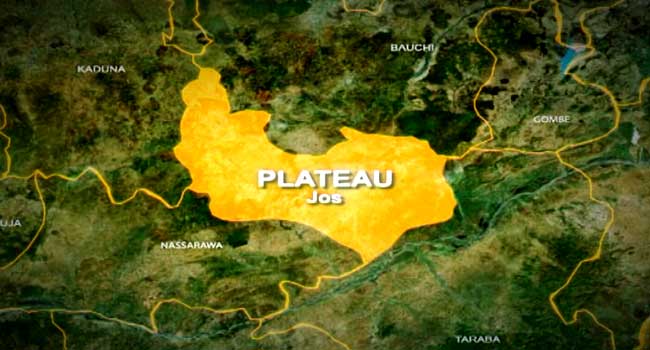
The lynching and burning of Malama Ummulkhairi in Maraban Jos, Kaduna State, is a stain on our national conscience. Taken into police protective custody recently after an unverified allegation that she intended to steal children, the mother of four was nevertheless seized by a mob and killed. That a citizen could be removed from state protection and burned alive before any inquiry or trial exposes a chilling collapse of authority and decency.
nMob justice is not spontaneous righteousness. It is lawlessness dressed as moral indignation. Democracy depends on institutions that investigate, prosecute and adjudicate. When crowds presume to adjudge guilt, they substitute fury for evidence, revenge for due process. The result is the destruction of human dignity and the erosion of the rule of law. No society that values life can allow accusations to become execution warrants.
nThis tragedy also highlights a corrosive loss of faith in our justice system. Where policing appears slow, corrupt or ineffectual, citizens grow impatient and fearful. But resorting to lynch mobs cannot be the remedy. The state must make clear that violence is never an acceptable form of justice. That begins with prompt, transparent investigations when allegations arise, and with police forces that protect suspects rather than expose them to vigilante wrath. Authorities must answer difficult questions. How did a woman in protective custody get torn from police control? Who organised the mob, and who allowed it to act with impunity? A full, independent inquiry is necessary, and those found responsible – whether direct perpetrators or negligent officials – must face credible prosecution.
nHenceforth, whenever the possibility of jungle justice is envisaged, suspects must never be detained in police or prison facilities in the immediate vicinity. They must be taken to safe places beyond the reach of a mob. Prevention requires more than prosecutions. The National Orientation Agency (NOA), in partnership with schools, religious and community leaders, should lead sustained public education on the dangers of fake news, rumour and instant punishment. In an age when allegations travel at the speed of social media, swift official communication and community engagement are essential to prevent escalation. Civil society has a crucial role in rebuilding trust. Organisations that monitor human-rights abuses, provide legal aid and support victims’ families should be empowered and resourced. Equally, police reform must be real: better training, accountable supervision, and systems that ensure custody cannot be compromised.
nThe killing of Ummulkhairi must not be just another tragic footnote. Let it be a turning point – one that compels government to secure the vulnerable, equips communities to resist the contagion of mob rule and restores confidence that justice will be delivered through courts, not through the fury of crowds. Every accused person is innocent until proven guilty. Anything less is a retreat from civilisation.
n nRelated Stories
 General News
CELEBRATING TWO YEARS OF TRANSFORMATIONAL LEADERSHIP IN THE PRESIDENTIAL AMNESTY PROGRAMME
Tomorrow, 14TH March 2026, as we look forward to the second anniversary, we reflect on the remarkable two years since the Administrator of the Preside
 General News
PRESIDENTIAL AMNESTY PROGRAMME PHASE 3: DISREGARD PURPORTED STATEMENT ON DELAYED ITA PAYMENTS — OFFICE OF NATIONAL CHAIRMAN
The Office of the National Chairman of the Presidential Amnesty Programme Phase 3, General Elaye ThankGod Dollar Slaboh, has called on beneficiaries a
 General News
RE: CLARIFICATION ON MY PERSONAL RELATIONSHIPS
PUBLIC NOTICErnrnRE: CLARIFICATION ON MY PERSONAL RELATIONSHIPSrnrnIt has become necessary to make this public clarification following the increasing