
The Role of the Courts in Preserving Our Democratic System
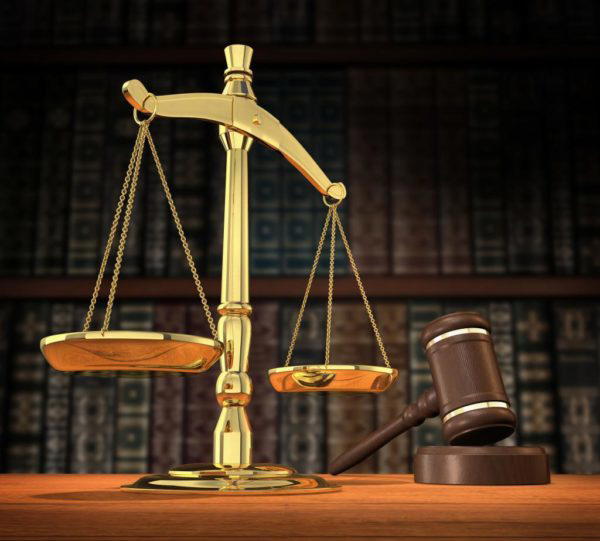
In a democracy, the judiciary is the linchpin that separates order from chaos and constitutionalism from impunity, playing a crucial role in maintaining the delicate balance of power.
nWhen politicians overstep their boundaries, executives push the limits of their authority, and legislatures become mere puppets, it is the judiciary that must stand firm and unwavering in its commitment to upholding the law.
nThe survival and prosperity of democracy in Nigeria and other emerging democracies hinge on the judiciary's ability to reclaim and fiercely defend its moral authority, a notion that is not merely theoretical but essential to the fabric of democratic governance.
nThe framers of Nigeria's Constitution explicitly vested judicial powers in the courts, as outlined in Section 6, which grants them the authority to interpret the law and adjudicate disputes between citizens and the government, a responsibility that is far from abstract.
nThis responsibility serves as the foundation of democratic stability, as the courts' decisions have a direct impact on the legitimacy of the electoral process, the protection of fundamental rights, and the check on abuse of power, all of which reassures citizens that the ballot box remains the cornerstone of democracy.
nInstitutions such as the Supreme Court of Nigeria and the Court of Appeal wield significant influence in shaping public confidence, with their judgments in election petitions, constitutional disputes, and corruption cases having far-reaching consequences that extend beyond resolving individual conflicts to defining the boundaries of power.
nWhen judgments are clear, courageous, and consistent with the law, democracy is strengthened, whereas compromised or contradictory judgments erode public trust and undermine the very foundations of democratic governance.
nTo preserve democracy, the judiciary must first prioritize its independence, which necessitates respecting the financial autonomy granted by the Constitution, rather than merely paying lip service to it.
nJudges should not be beholden to the whims of presidents and governors for their operational needs, as an underfunded court is inherently vulnerable and susceptible to external pressures.
nJudicial appointments must be based on merit and integrity, rather than patronage or ethnic, regional, and religious dominance, which is a pervasive issue in Nigeria, where the loyalty of judges is often torn between their political benefactors and the Constitution.
nWhen the bench is populated by individuals whose allegiance lies with the Constitution, rather than political benefactors, justice becomes less transactional and more aligned with the principles of fairness and equality.
nTransparent appointment processes and rigorous disciplinary mechanisms are essential to maintaining credibility and ensuring that the judiciary remains a bastion of integrity and trustworthiness.
nThe courts must also resist the temptation to use delay as a tool of injustice, as justice delayed, particularly in election matters, is tantamount to justice denied, and timely rulings help prevent political uncertainty and reduce the temptation for self-help by aggrieved parties.
nJudges must remember that the law is not merely a technical instrument but a guardian of the public good, and in moments of national tension, courts must be guided by fidelity to the Constitution and democratic principles, rather than fear or favor.
nLandmark rulings have become uncomfortably scarce in election petition cases, and judicial outcomes have become too predictable, which is detrimental to the health of democracy.
nDemocracy does not collapse overnight; it erodes gradually when institutions fail to meet their constitutional expectations, and the judiciary cannot solve every political crisis, but it can insist that power be exercised within constitutional bounds.
nWhen the courts speak with integrity, clarity, and courage, they do more than interpret laws – they protect the very soul of the nation, ensuring that the principles of democracy and justice remain vibrant and alive.
Related Stories
 General News
CELEBRATING TWO YEARS OF TRANSFORMATIONAL LEADERSHIP IN THE PRESIDENTIAL AMNESTY PROGRAMME
Tomorrow, 14TH March 2026, as we look forward to the second anniversary, we reflect on the remarkable two years since the Administrator of the Preside
 General News
PRESIDENTIAL AMNESTY PROGRAMME PHASE 3: DISREGARD PURPORTED STATEMENT ON DELAYED ITA PAYMENTS — OFFICE OF NATIONAL CHAIRMAN
The Office of the National Chairman of the Presidential Amnesty Programme Phase 3, General Elaye ThankGod Dollar Slaboh, has called on beneficiaries a
 General News
RE: CLARIFICATION ON MY PERSONAL RELATIONSHIPS
PUBLIC NOTICErnrnRE: CLARIFICATION ON MY PERSONAL RELATIONSHIPSrnrnIt has become necessary to make this public clarification following the increasing