
Tackling the Persistent Problem of Bullying in Educational Institutions, by Francis Ewherido
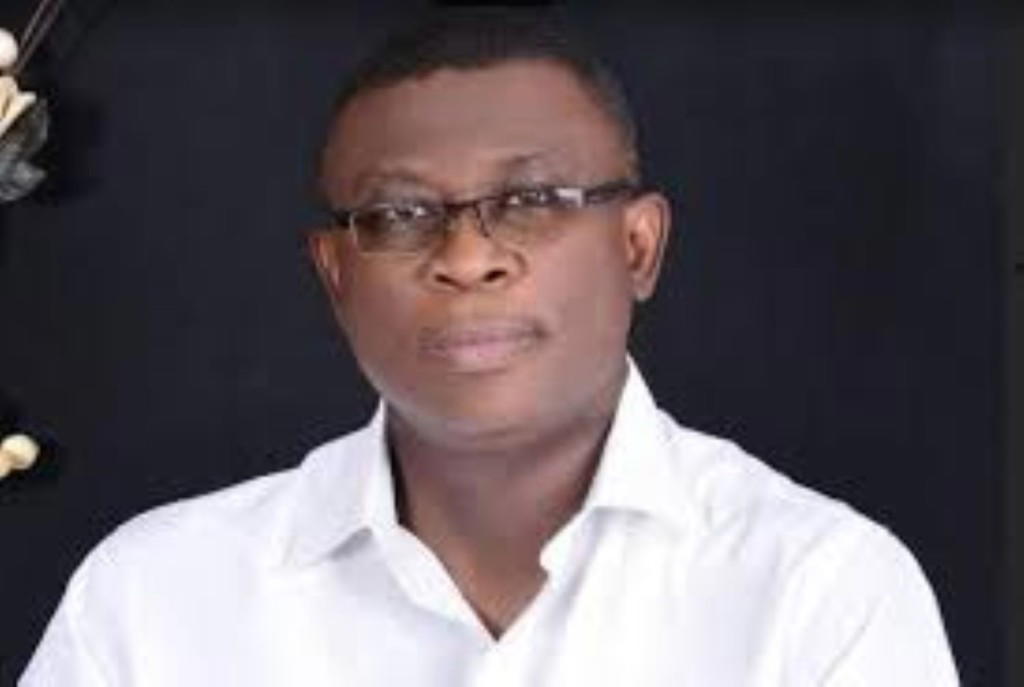
Ewherido experienced bullying from a young age, starting in primary school, where two of his elder brothers protected him from harm in Ughelli, Delta State.
nWhen his father was transferred to Ozoro in 1973, Ewherido continued his primary education, and although he did not experience bullying firsthand, two of his classmates caused him distress on one occasion.
nThese classmates, who claimed to be sexually active, wanted to compare the size of Ewherido's penis, and when he resisted, they chased him, pinned him to the ground, and forcibly examined him, leaving him traumatized.
nEwherido was around nine or 10 years old at the time and had not yet reached puberty, but some of his classmates were much older, making it possible that they were indeed sexually active.
nA student who was an amateur boxer and had poor grades also contributed to the bullying culture, as he would often pummel his classmates, including the class monitor, who was intelligent but physically weaker.
nThe boxer's actions were a manifestation of the "you have the intelligence, I have the physical strength" mentality that pervaded the school, where bullying was rampant, especially in the 70s and early 80s.
nIn one all-girls school, senior students would gather junior students and shave their pubic hair, claiming that the juniors were being disrespectful because they had pubic hair like the seniors.
nEwherido had a particularly rough time when he started secondary school, as he was away from home and without the protection of his parents, and one senior student had a intense hatred for him.
nThe senior student would often bully Ewherido, who became withdrawn and avoided him as much as possible, and at one point, the senior student accused Ewherido of being a "wizard" who could enter the cubicle without using the door.
nThe bullying was so intense that Ewherido considered leaving the school with his father on his next visit, but he didn't have the courage to tell him, and ultimately, he failed and had to repeat a class.
nThe experience had a profound impact on Ewherido, who now recognizes the evil of bullying and its devastating effects on students, including those who have committed suicide due to bullying in the US and Europe.
nEwherido believes that it's essential for parents to know their child before sending them to a boarding house, as it may not be suitable for every child, especially vulnerable ones, and that parents should be aware of the potential risks of bullying.
nSome parents send their children to boarding houses at a young age to toughen them up, but this approach can backfire, and schools often prioritize projecting a false image over the welfare of their students.
nIn Ewherido's time, bullies were often students who were physically stronger or had diabolical powers, such as the ability to slap someone and make them fall or lift opponents with ease.
nThese students would use their powers to intimidate and humiliate their peers, and some even visited native doctors to acquire their own powers, leaving others to fear and avoid them.
nBullying can also be caused by bad parenting, and Ewherido insists that parents should be involved in their children's lives and set a good example, as children tend to learn from actions rather than words.
nThe rise of cultism in secondary schools has also contributed to the increase in bullying, as cultism often drives bullying behavior, and Ewherido believes that bullying can be drastically reduced if schools are intentional about addressing the issue.
nHowever, the power imbalance between students, whether physical, emotional, or intellectual, will continue to lead to bullying, and it's crucial for parents to be vigilant and notice the signs of bullying, as children often suffer in silence.
nUltimately, parents have a critical role to play in preventing bullying, and they must take responsibility for their child's well-being, as the consequences of bullying can be devastating and long-lasting.
Related Stories
 General News
CELEBRATING TWO YEARS OF TRANSFORMATIONAL LEADERSHIP IN THE PRESIDENTIAL AMNESTY PROGRAMME
Tomorrow, 14TH March 2026, as we look forward to the second anniversary, we reflect on the remarkable two years since the Administrator of the Preside
 General News
PRESIDENTIAL AMNESTY PROGRAMME PHASE 3: DISREGARD PURPORTED STATEMENT ON DELAYED ITA PAYMENTS — OFFICE OF NATIONAL CHAIRMAN
The Office of the National Chairman of the Presidential Amnesty Programme Phase 3, General Elaye ThankGod Dollar Slaboh, has called on beneficiaries a
 General News
RE: CLARIFICATION ON MY PERSONAL RELATIONSHIPS
PUBLIC NOTICErnrnRE: CLARIFICATION ON MY PERSONAL RELATIONSHIPSrnrnIt has become necessary to make this public clarification following the increasing