
South Africa’s Ramaphosa calls for African action on migration
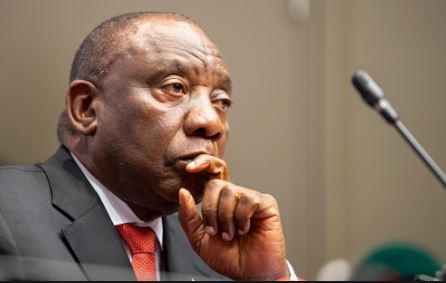
Ramaphosa
nSouth African President Cyril Ramaphosa called on Monday for African countries to work together to manage migration, as his government faces mounting pressure over attacks on foreign nationals.
nRamaphosa’s appeal to the Pan-African Parliament follows weeks of anti-migrant protests in South Africa, where xenophobic activists and fringe groups have blamed undocumented migrants from elsewhere in Africa for crime, unemployment and strain on public services.
nHe warned that unmanaged cross-border movement could undermine security and social order, and said no country could address the challenge alone.
n“As African countries, we have to acknowledge and address the conditions that drive migration in the first place,” Ramaphosa told a session of the parliament, which is the legislative body of the African Union.
n“We need to work together to address issues like conflict, instability, governance failures, poverty and social discord.”
nDemonstrations that began last year over undocumented migrants’ access to public health facilities intensified this year as xenophobic groups demanded that they leave the country by June 30.
nMore than 160,000 foreign nationals have departed South Africa over the past two months, according to an AFP tally based on figures from repatriating governments, in one of the country’s largest recent migrant exoduses.
nAt least four migrants have been killed in the violence, though some foreign governments say the death toll is higher.
n– ‘Sad and abhorrent ‘ –
nThe attacks were “sad and abhorrent”, Ramaphosa said, adding that “we in South Africa deeply regret and mourn” the lives lost.
n“We’ve taken a firm stand against hatred for people from other countries, xenophobia or Afrophobia,” Ramaphosa said.
nGhana, which has been an outspoken critic of the fatal attacks, has called an African Union debate on the anti-migrant violence.
nTwo of its citizens have also petitioned the International Criminal Court to investigate “repeated xenophobic attacks”, a move Pretoria has dismissed as “opportunistic”.
nSouth Africa, the continent’s wealthiest nation, has long been a magnet for migrants from elsewhere on the continent.
nBut it has experienced periodic outbreaks of xenophobic violence for nearly two decades.
nIn 2008, 62 people were killed in anti-immigrant riots and thousands were displaced. Further outbreaks followed in 2015 and 2016.
nViolence in 2019 left at least 12 people dead, most of them South African citizens.
nBut this is the first time that such threats have prompted several governments to simultaneously organise coordinated voluntary repatriations for thousands of their nationals.
n nRelated Stories
 General News
CELEBRATING TWO YEARS OF TRANSFORMATIONAL LEADERSHIP IN THE PRESIDENTIAL AMNESTY PROGRAMME
Tomorrow, 14TH March 2026, as we look forward to the second anniversary, we reflect on the remarkable two years since the Administrator of the Preside
 General News
PRESIDENTIAL AMNESTY PROGRAMME PHASE 3: DISREGARD PURPORTED STATEMENT ON DELAYED ITA PAYMENTS — OFFICE OF NATIONAL CHAIRMAN
The Office of the National Chairman of the Presidential Amnesty Programme Phase 3, General Elaye ThankGod Dollar Slaboh, has called on beneficiaries a
 General News
RE: CLARIFICATION ON MY PERSONAL RELATIONSHIPS
PUBLIC NOTICErnrnRE: CLARIFICATION ON MY PERSONAL RELATIONSHIPSrnrnIt has become necessary to make this public clarification following the increasing