
Solo military action is insufficient to eradicate terror, says Gbenga Hashim
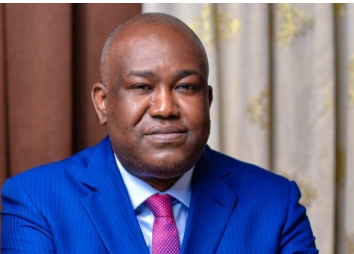
Nigeria's struggle against insurgency cannot be won through military might alone, according to Gbenga Hashim, a former presidential candidate, who emphasizes the need to address the underlying issues of poverty, unemployment, and social breakdown that fuel violent extremism.
nHashim's remarks came after the reported killing of Abu Bilal al-Minuki, a senior Islamic State commander, in a joint operation by the United States and the Nigerian Armed Forces, which demonstrated the potential of effective international intelligence and military coordination.
nThis operation, Hashim noted, reinforced previous warnings that extremist groups in Nigeria are seeking to establish territorial enclaves similar to those of the Islamic State in conflict zones.
nHashim stated that his team has consistently advocated for this level of collaboration over the past five years, and the recent operation highlights the achievements possible when global partners work together sincerely.
nWhile commending the operation, Hashim cautioned against viewing the killing of senior insurgent figures as a complete solution to Nigeria's worsening security crisis, emphasizing the need for a more comprehensive approach.
nAccording to Hashim, Nigeria's counter-terrorism strategy must be deliberate, sustained, and focused on eliminating terrorism at its roots, rather than relying on periodic strikes.
nHe warned that military offensives targeting top commanders often leave rural communities vulnerable to retaliatory attacks by armed groups, exacerbating the security crisis.
nHashim described the scale of insecurity across the country as alarming, citing the killing of over 18,000 Nigerians by terrorism and related violence in the past three years.
nWidespread poverty, illiteracy, unemployment, and social deprivation continue to create an environment that extremist organizations can easily exploit, particularly among vulnerable young people in Northern Nigeria, Hashim claimed.
nHe highlighted the long-term danger posed by Nigeria's out-of-school population, with over 18 million children remaining vulnerable to indoctrination and recruitment by terror groups.
nHashim stressed that addressing terrorism requires strong governance capable of confronting the socio-economic realities that sustain violent extremism, in addition to military action.
nOnly decisive and uncompromising leadership, Hashim argued, can implement a comprehensive counter-terrorism strategy capable of restoring peace and stability across the country.
Related Stories
 General News
CELEBRATING TWO YEARS OF TRANSFORMATIONAL LEADERSHIP IN THE PRESIDENTIAL AMNESTY PROGRAMME
Tomorrow, 14TH March 2026, as we look forward to the second anniversary, we reflect on the remarkable two years since the Administrator of the Preside
 General News
PRESIDENTIAL AMNESTY PROGRAMME PHASE 3: DISREGARD PURPORTED STATEMENT ON DELAYED ITA PAYMENTS — OFFICE OF NATIONAL CHAIRMAN
The Office of the National Chairman of the Presidential Amnesty Programme Phase 3, General Elaye ThankGod Dollar Slaboh, has called on beneficiaries a
 General News
RE: CLARIFICATION ON MY PERSONAL RELATIONSHIPS
PUBLIC NOTICErnrnRE: CLARIFICATION ON MY PERSONAL RELATIONSHIPSrnrnIt has become necessary to make this public clarification following the increasing