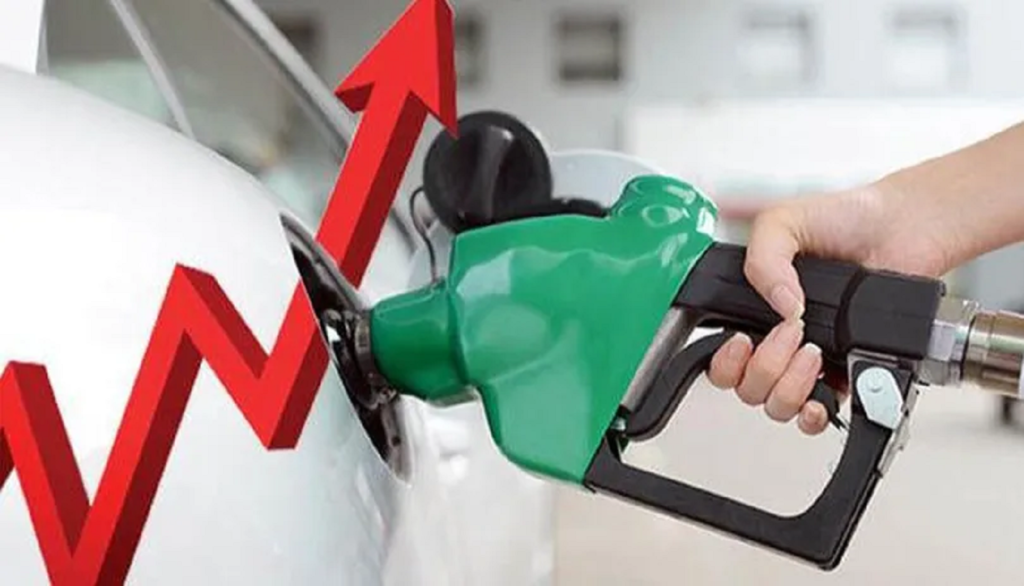
File image
By Theodore Opara
Transport operators across the country have raised alarm over soaring fuel prices and dwindling passenger turnout, warning that many businesses risk collapse without urgent government intervention.
Operators say the dual pressure of high operating costs and low patronage is crippling the sector, with inter-state minibus services among the worst hit. Many are now forced to buy petrol at between N1,400 and N1,600 per litre.
Read Also: China set new auto record, made 34.5m vehicles in 2025
A Vanguard investigation found that transporters who previously dispatched three to four buses daily now struggle to fill even one. In most cases, buses wait until late morning to get partial loads, extending travel time well into the night.
At Mazamaza, Alafia, Jibowu and Okota motor parks in Lagos, buses sat idle, reflecting deep frustration among operators.
Drivers who spoke on condition of anonymity said the situation has pushed their families into hardship. “For over two weeks, I haven’t been able to load my bus like before. Sometimes I wait till noon and still leave half-empty. It’s becoming unbearable,” one driver lamented.
Another driver added, “Fuel alone is eating up everything we make. After buying petrol at over N1,500 per litre, what is left? Nothing. We just manage to survive.”
Despite only marginal fare increases, operators say passengers are staying away, opting instead to send goods through waybill services to cut costs. “People now prefer to send their luggage instead of travelling. They say transport fare is too high,” a driver at Jibowu park said.
A transporter, Alex, warned that the industry faces collapse if the trend continues. “We adjusted fares from N35,000 to N40,000 and N45,000 because of fuel costs, but passengers disappeared. Our vehicles are empty,” he said.
Another operator echoed the concern: “Before, once you arrive, you load again the next morning. Now you can stay two weeks without a single trip. How do we feed our families?”
They urged the government to act swiftly. “Authorities must intervene. If global issues like the Iran crisis are affecting fuel prices, then local refineries should be strengthened to reduce the hardship” one of them said.
Meanwhile, transporters operating night services are gaining some advantage due to the use of Compressed Natural Gas (CNG), which is cheaper than petrol. However, despite lower fuel costs, luxury bus operators have raised fares from N23,000 to N35,000, further straining commuters.


Comments
Please login to leave a comment.
No comments yet. Be the first to share your thoughts!