
Six nations heading to the 2026 World Cup with entirely foreign-based squads
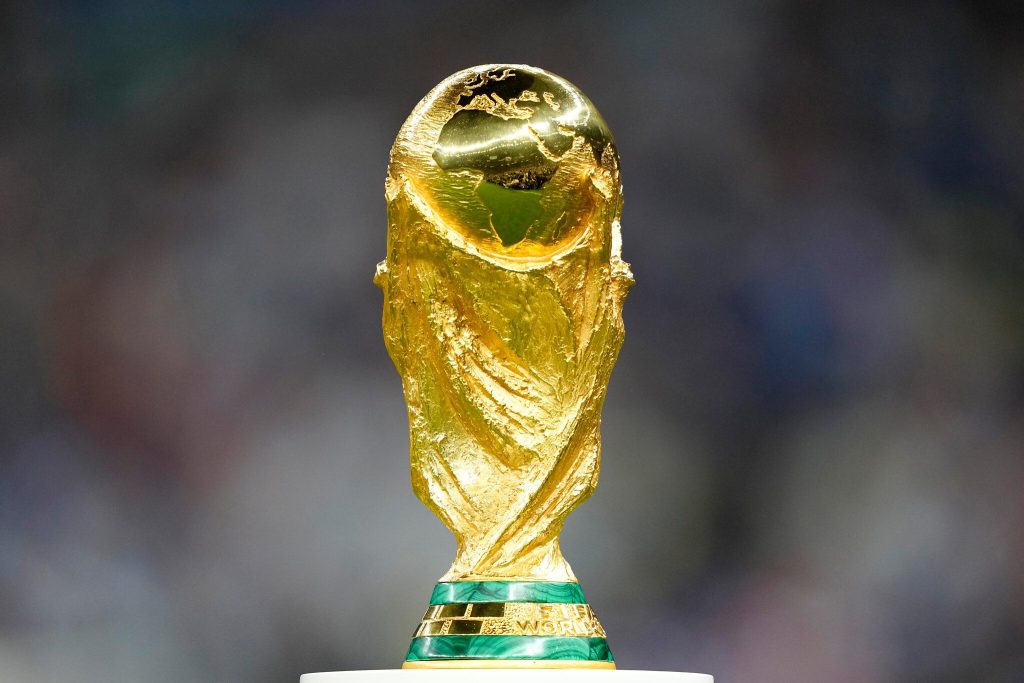
A notable trend has emerged ahead of the 2026 FIFA World Cup, with six participating countries fielding squads composed entirely of players based outside their home nations, highlighting a significant shift in the way teams are assembled, as many still rely on a mix of foreign-based and domestic-league players.
nAmong these nations is Cape Verde, whose squad, known as The Blue Sharks, has become a consistent force in African football despite lacking players from the domestic league, with most of its internationals instead competing in Portugal, France, Belgium, and other European countries.
nCape Verde's strong diaspora connections and reliance on overseas-developed talent are reflected in the fact that most of its players are based in European countries, underscoring the importance of these links in shaping the nation's football team.
nDemocratic Republic of the Congo is another country with a squad dominated by players competing in Europe and Asia, with many of its leading footballers having left the domestic league at a young age or been developed abroad, particularly in France and Belgium.
nThe presence of large Congolese communities in France and Belgium has played a significant role in nurturing talent, with many of the country's top players having honed their skills in these countries before going on to represent the national team.
nIvory Coast, the reigning African champions, boasts a squad packed with players from Europe's elite leagues, with many of the country's best footballers quickly attracting interest from foreign clubs and leaving the national team without a single home-based representative.
nDespite the Ivorian domestic league continuing to produce talent, the country's most promising players often move overseas early in their careers, highlighting the allure of European football and the challenges faced by domestic leagues in retaining top talent.
nCuraçao's rise in international football has been driven largely by players developed in the Netherlands, with historical and cultural ties between the two nations providing a conduit for talent to flow into the European football system.
nAs a result, many members of the Curaçao squad compete in Europe, particularly in the Dutch football system, giving the Caribbean side access to a wider talent pool and underlining the importance of these connections in shaping the team's fortunes.
nSenegal, one of Africa's strongest football nations, relies almost entirely on players competing abroad, with stars in England, France, Spain, Italy, and Saudi Arabia, and the country's most promising talents often moving overseas early in their careers.
nUruguay's inclusion on the list of countries with squads composed entirely of foreign-based players may come as a surprise, given the country's rich football tradition and competitive domestic league, but virtually all of its top players now feature in Europe, North America, and other foreign leagues.
nThis underlines Uruguay's status as one of football's most successful exporters of talent, with the country's players highly sought after by clubs around the world, and its domestic league serving as a launching pad for careers abroad.
Related Stories
 General News
CELEBRATING TWO YEARS OF TRANSFORMATIONAL LEADERSHIP IN THE PRESIDENTIAL AMNESTY PROGRAMME
Tomorrow, 14TH March 2026, as we look forward to the second anniversary, we reflect on the remarkable two years since the Administrator of the Preside
 General News
PRESIDENTIAL AMNESTY PROGRAMME PHASE 3: DISREGARD PURPORTED STATEMENT ON DELAYED ITA PAYMENTS — OFFICE OF NATIONAL CHAIRMAN
The Office of the National Chairman of the Presidential Amnesty Programme Phase 3, General Elaye ThankGod Dollar Slaboh, has called on beneficiaries a
 General News
RE: CLARIFICATION ON MY PERSONAL RELATIONSHIPS
PUBLIC NOTICErnrnRE: CLARIFICATION ON MY PERSONAL RELATIONSHIPSrnrnIt has become necessary to make this public clarification following the increasing