
Singapore set to offer annual permanent resident status to as many as 40,000 Nigerians.
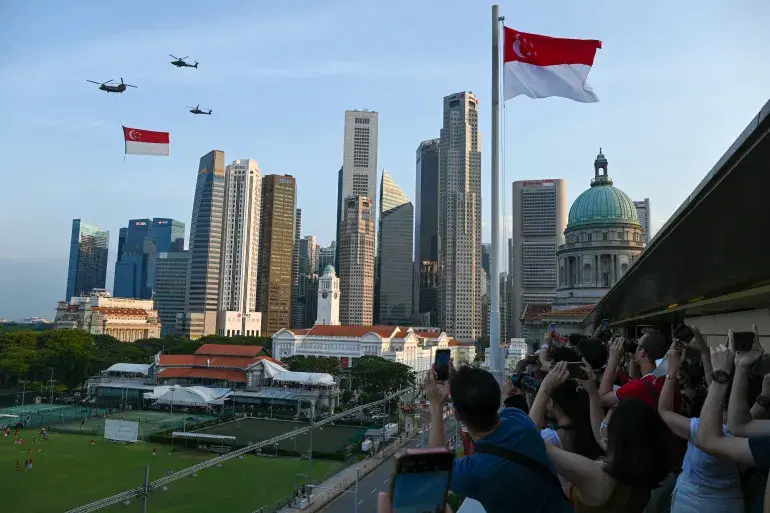
Singapore's government has unveiled plans to greenlight up to 40,000 permanent residency applications every year for the next five years, as the country strives to tackle pressing demographic and economic hurdles.
nThe initiative comes as Singapore faces dwindling birth rates and a decreasing working-age population, which have put a strain on the labour market and sparked concerns about sustaining long-term economic growth in one of Asia's most competitive economies.
nAccording to government forecasts, the country is set to welcome between 25,000 and 30,000 new citizens annually, building on the approximately 25,000 citizenships granted in 2025.
nPermanent residency approvals are anticipated to rise to around 40,000 per year between 2026 and 2030, marking an increase from the roughly 35,000 recorded in 2025.
nBy boosting both citizenship and permanent residency approvals in a controlled manner, officials aim to maintain a steady influx of skilled workers, support business growth, and sustain long-term productivity without significantly altering the country's population structure.
nSingapore's permanent residency system remains open to various categories of applicants, including skilled workers, Employment Pass holders, entrepreneurs, investors, international students, and professionals with strong qualifications and stable income, as well as family members of citizens or existing permanent residents.
nApplicants submit their applications online and typically need to provide documentation such as proof of employment, educational qualifications, and income details.
nSuccessful applicants gain the right to live and work in the country without needing a separate work visa, in addition to accessing public services and long-term residency benefits.
nThe planned increase in approvals is expected to create more opportunities for skilled foreign professionals seeking long-term residency in the country.
nWorkers in sectors like finance, technology, healthcare, logistics, and engineering may see improved chances of securing stable employment and transitioning from temporary work permits to permanent residency.
nThe policy shift is part of broader efforts by Singapore to manage its ageing population and shrinking workforce, which has led to initiatives such as the extension of the Part-Time Re-employment Grant until 2027.
nThe grant offers financial incentives to companies that retain or hire workers aged 60 and above in flexible roles, and since its introduction, more than 7,500 employers have participated in the scheme.
nThe scheme has supported over 65,000 older workers, with approximately S$92 million already disbursed.
Related Stories
 General News
CELEBRATING TWO YEARS OF TRANSFORMATIONAL LEADERSHIP IN THE PRESIDENTIAL AMNESTY PROGRAMME
Tomorrow, 14TH March 2026, as we look forward to the second anniversary, we reflect on the remarkable two years since the Administrator of the Preside
 General News
PRESIDENTIAL AMNESTY PROGRAMME PHASE 3: DISREGARD PURPORTED STATEMENT ON DELAYED ITA PAYMENTS — OFFICE OF NATIONAL CHAIRMAN
The Office of the National Chairman of the Presidential Amnesty Programme Phase 3, General Elaye ThankGod Dollar Slaboh, has called on beneficiaries a
 General News
RE: CLARIFICATION ON MY PERSONAL RELATIONSHIPS
PUBLIC NOTICErnrnRE: CLARIFICATION ON MY PERSONAL RELATIONSHIPSrnrnIt has become necessary to make this public clarification following the increasing