
S/African Afrophobia: All eyes on AU
FILE IMAGE
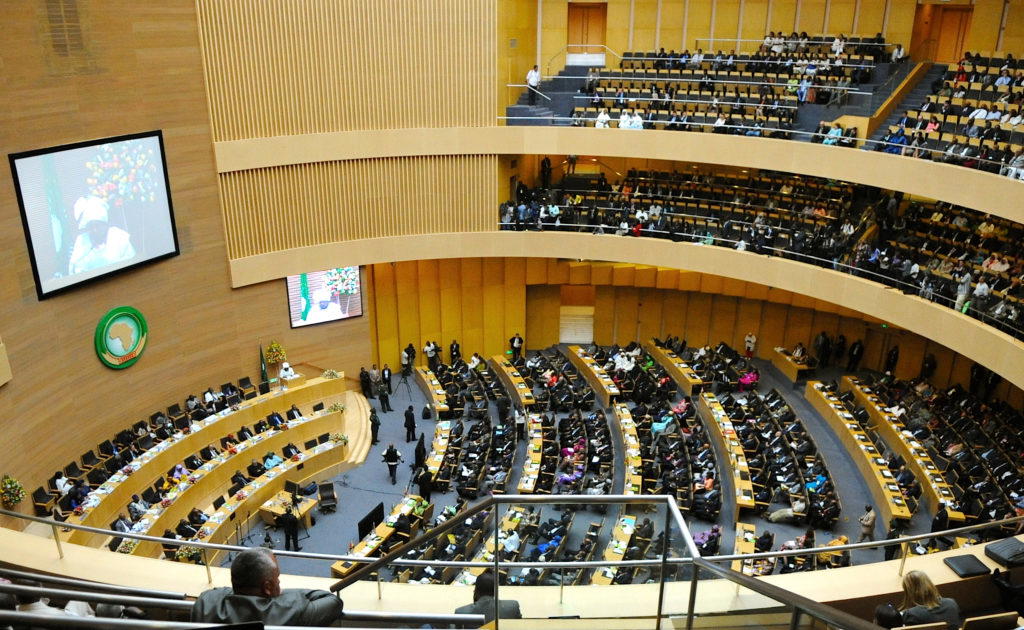
nPresident Bola Tinubu was right to take South Africa’s recurring xenophobic and Afrophobic attacks to the African Union (AU). Speaking for him at the AU’s 21st Extraordinary Session in Luanda, Vice President Kashim Shettima called for collective action and urged that the matter be placed on the agenda of the January 2027 General Assembly. That diplomatic escalation is overdue.
nSouth Africa’s latest wave of anti-immigrant violence has exposed an ugly contradiction in the continent’s post-apartheid story. Protests and mob actions targeting African migrants have spread amid a crackdown on undocumented immigration. Mozambique reported five of its citizens killed as a direct consequence of the violence, while Ghana, Mozambique, Zimbabwe, Nigeria, Lesotho and others have recorded departures or repatriations.
nMore than 178,000 African immigrants have reportedly left or been deported from South Africa in recent months. Nigeria alone had evacuated 1,490 citizens by July, with another 83 returnees arriving in August. Nigerian authorities have also said 90 Nigerians have been killed in xenophobic attacks in South Africa since 2022. The distinction between enforcing immigration law and permitting Afrophobic violence must be absolute.
nA sovereign state has every right to identify, prosecute and deport undocumented immigrants through due process. What it cannot legitimately do is allow mobs to become an unofficial immigration service, terrorising, looting, assaulting and killing people because they are foreigners. That is where Pretoria’s response deserves the strongest scrutiny. The failure to deploy the machinery of law enforcement and governance quickly enough to protect vulnerable foreign nationals has left a disturbing impression of official collusion.
nSouth Africa cannot condemn mob violence in principle while permitting African immigrants and businesses to remain exposed to it. If perpetrators have been arrested, as South African officials say, prosecutions must follow and justice must be visible. The AU must now go beyond expressions of concern. Africa remembers that the liberation of South Africa from apartheid was a collective continental project, sustained through enormous sacrifices, diplomatic pressures, resources and lives.
nThat history gives the AU a moral authority to demand respect for Africans in South Africa. It should investigate the attacks independently, condemn Afrophobic xenophobia unequivocally and impose appropriate continental penalties, including mechanisms for full compensation for lives lost, property destroyed and businesses ruined. This should teach other African governments a double lesson: protect African foreigners while managing undocumented migration lawfully.
nThe European Union demonstrates that strong common rules can make attacks on fellow Europeans almost unthinkable. The romanticisation of Africa must move beyond slogans, musical fantasies and sentimental speeches. Pan-Africanism means respecting the rights and dignity of fellow Africans everywhere on the continent. If the AU cannot guarantee that principle, it risks losing its relevance.
nSouth Africa must be held accountable, and the continent must prove that African solidarity is more than mere rhetoric.
n nRelated Stories
 General News
CELEBRATING TWO YEARS OF TRANSFORMATIONAL LEADERSHIP IN THE PRESIDENTIAL AMNESTY PROGRAMME
Tomorrow, 14TH March 2026, as we look forward to the second anniversary, we reflect on the remarkable two years since the Administrator of the Preside
 General News
PRESIDENTIAL AMNESTY PROGRAMME PHASE 3: DISREGARD PURPORTED STATEMENT ON DELAYED ITA PAYMENTS — OFFICE OF NATIONAL CHAIRMAN
The Office of the National Chairman of the Presidential Amnesty Programme Phase 3, General Elaye ThankGod Dollar Slaboh, has called on beneficiaries a
 General News
RE: CLARIFICATION ON MY PERSONAL RELATIONSHIPS
PUBLIC NOTICErnrnRE: CLARIFICATION ON MY PERSONAL RELATIONSHIPSrnrnIt has become necessary to make this public clarification following the increasing