
Religious figures caution lawmakers not to use food insecurity as a campaign tactic
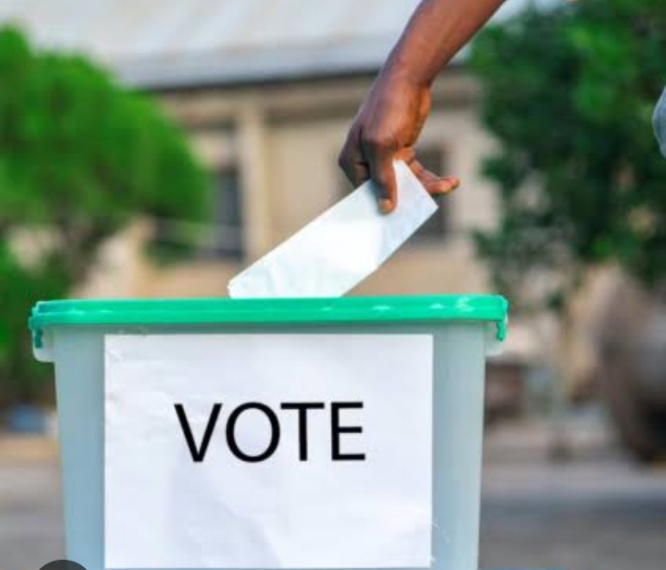
As concerns about poverty deepen, religious leaders are warning politicians against exploiting economic hardship to influence voters, emphasizing that poverty and desperation should not undermine democratic values in Nigeria.
nThis caution was issued on Monday in Abuja during the National Religious Leaders’ Consultation on Faith and Nation Building, where the need for ethical leadership, responsible political engagement, and stronger national unity was highlighted.
nSpeakers at the event included Cornelius Omonokhua, the Executive Secretary of the Nigeria Inter-Religious Council, Joseph Ochogwu, the Director-General of the Institute for Peace and Conflict Resolution, Islamic scholar Sadiq Abubakar, and Joseph John Hayab, the Country Director of the Global Peace Foundation Nigeria.
nThe speakers discussed the responsibilities of religious leaders and citizens during the ongoing observances of Ramadan and Lent, emphasizing the importance of moral values, compassion, and national cohesion.
nCornelius Omonokhua expressed concern that economic hardship can make citizens vulnerable to undue influence during political processes, urging Nigerians to prioritize long-term national interest when exercising their democratic rights.
nOmonokhua also cautioned against the misuse of religion and misleading practices that may take advantage of vulnerable people, stressing the need for integrity and accountability among religious and political leaders.
nAccording to Omonokhua, the country requires both personal and national reconciliation to strengthen unity and promote responsible leadership, citing examples of ethical leadership in Nigeria’s history, including the humility demonstrated by the country’s first Prime Minister, Abubakar Tafawa Balewa.
nJoseph Ochogwu noted that faith has historically played an important role in guiding societies through difficult periods, emphasizing that faith and nation-building are closely connected.
nOchogwu urged religious institutions to promote peace and social harmony rather than division, and commended the efforts of the Department of State Services in managing tensions in parts of the country, including recent developments in Kaduna.
nOchogwu warned that Nigeria must address growing social and religious divisions to safeguard the freedom of citizens to practise their faith.
nSheikh Sadiq Abubakar stated that the spiritual discipline associated with Ramadan encourages reflection, compassion, and social responsibility, explaining that fasting is not only about abstaining from food and drink, but also a discipline that promotes self-control, gratitude, and accountability before God.
nJoseph John Hayab added that the simultaneous observance of Ramadan and Lent offers an opportunity for moral renewal and deeper cooperation between religious communities, reminding us of shared values that can strengthen unity and support the work of nation-building.
nHayab called for greater collaboration among religious groups to promote peace, mutual respect, and national development.
Related Stories
 General News
CELEBRATING TWO YEARS OF TRANSFORMATIONAL LEADERSHIP IN THE PRESIDENTIAL AMNESTY PROGRAMME
Tomorrow, 14TH March 2026, as we look forward to the second anniversary, we reflect on the remarkable two years since the Administrator of the Preside
 General News
PRESIDENTIAL AMNESTY PROGRAMME PHASE 3: DISREGARD PURPORTED STATEMENT ON DELAYED ITA PAYMENTS — OFFICE OF NATIONAL CHAIRMAN
The Office of the National Chairman of the Presidential Amnesty Programme Phase 3, General Elaye ThankGod Dollar Slaboh, has called on beneficiaries a
 General News
RE: CLARIFICATION ON MY PERSONAL RELATIONSHIPS
PUBLIC NOTICErnrnRE: CLARIFICATION ON MY PERSONAL RELATIONSHIPSrnrnIt has become necessary to make this public clarification following the increasing