
Rampant graft is driving wealth out of Nigeria and hindering economic growth, according to Prof. Attamah.
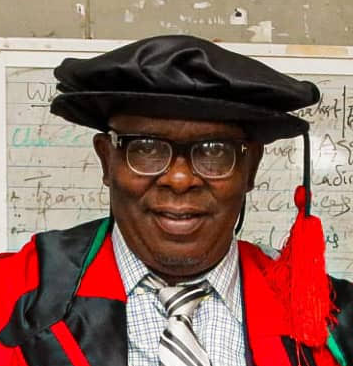
Professor Nicholas Attamah, an economist at the Enugu State University of Science and Technology, has pinpointed economic stagnation, capital flight, and weak institutions as the detrimental consequences of deeply ingrained corrupt practices in Nigeria, highlighting the profound damage inflicted on the nation's economic activities.
nAttamah's remarks were made during the presentation of the 56th inaugural lecture of ESUT, titled "Navigating the Moral Maze: Wealth Creation and Ethical Conduct in a Corrupt Public Sector," where he emphasized the unsuccessful efforts by governments to eradicate corruption from the public service over the years.
nThe culture of corrupt practices in Nigeria, including bribery, embezzlement, and money laundering, has prompted some investors to relocate to other countries, resulting in capital flight and an uncertain business environment.
nAccording to Attamah, corruption has created an environment of instability and uncertainty, deterring investment in Nigeria and fostering a climate of risk and uncertainty, which in turn has led to capital outflow, reduced tax base, and hindered the government's ability to finance public services.
nDespite the establishment of anti-graft agencies such as the Economic and Financial Crimes Commission, EFCC, Independent Corrupt Practices and Other Related Offences Commission, ICPC, and the Code of Conduct Bureau, CCB, the desired results in combating corruption and promoting transparency have not been achieved.
nAttamah recommends institutional reforms, strengthening of anti-corruption agencies, and ethical leadership development as the solution to the corruption that is ravaging every facet of the Nigerian economy.
nBy promoting ethical conduct and implementing strategies to reduce corruption, governments can create a conducive environment for wealth creation and economic growth in Nigeria, according to Attamah.
nProfessor Aloysius-Michaels Okolie, the Vice Chancellor of ESUT, noted in his opening remarks that the topic of the lecture was timely, given the significant growth of corruption and moral decadence in the public sector and society at large.
nOkolie called on Nigerians to reflect on the reasons behind the deep-seated corrupt practices and moral dislocation in the nation, emphasizing the need for introspection and change.
Related Stories
 General News
CELEBRATING TWO YEARS OF TRANSFORMATIONAL LEADERSHIP IN THE PRESIDENTIAL AMNESTY PROGRAMME
Tomorrow, 14TH March 2026, as we look forward to the second anniversary, we reflect on the remarkable two years since the Administrator of the Preside
 General News
PRESIDENTIAL AMNESTY PROGRAMME PHASE 3: DISREGARD PURPORTED STATEMENT ON DELAYED ITA PAYMENTS — OFFICE OF NATIONAL CHAIRMAN
The Office of the National Chairman of the Presidential Amnesty Programme Phase 3, General Elaye ThankGod Dollar Slaboh, has called on beneficiaries a
 General News
RE: CLARIFICATION ON MY PERSONAL RELATIONSHIPS
PUBLIC NOTICErnrnRE: CLARIFICATION ON MY PERSONAL RELATIONSHIPSrnrnIt has become necessary to make this public clarification following the increasing