
Prohibition on retail of liquor in small pouches still in place, according to NAFDAC
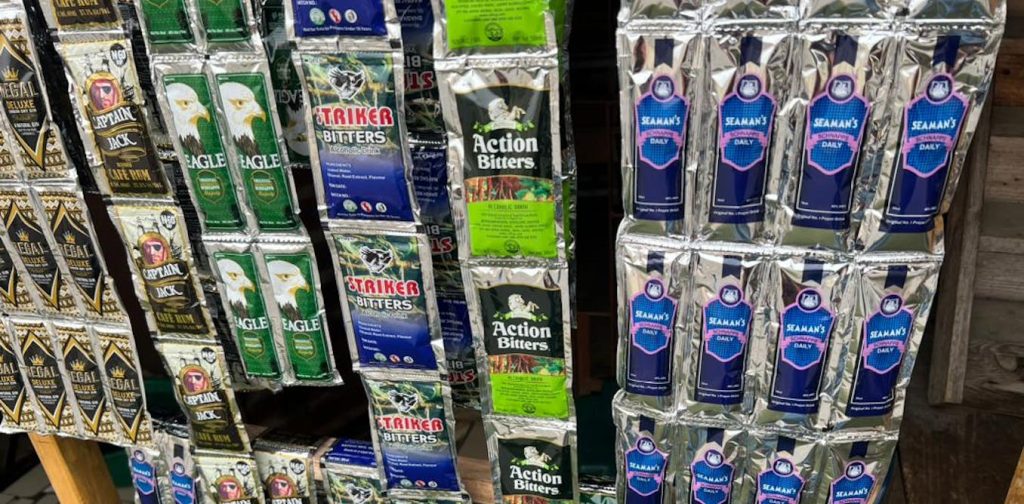
The National Agency for Food and Drug Administration and Control, or NAFDAC, has reiterated its commitment to enforcing the ban on small-volume alcoholic drinks across the country, with no plans to reverse the decision.
nDr Festus Ukadike, NAFDAC's Zonal Director for the South East, made this assertion during an interview with the News Agency of Nigeria in Enugu on Friday, emphasizing that the agency is resolute in its stance.
nAccording to Ukadike, the crackdown on manufacturers and distributors of small sachet alcoholic drinks has already commenced, marking the initial phase of the enforcement process.
nThe next step, Ukadike explained, involves mopping up the remaining small-volume alcoholic products currently available in the market, to ensure a thorough implementation of the ban.
nUkadike also clarified that the ban would not adversely affect businesses, as companies are still permitted to produce alcohol in volumes of at least 200ml per bottle, providing an alternative for manufacturers.
nArrests and seizures have been made in the South East zone, encompassing states such as Enugu, Imo, Abia, Ebonyi, and Anambra, as part of the agency's efforts to enforce the ban.
nThe health and well-being of children, Ukadike stated, was a primary consideration behind NAFDAC's decision to prohibit sachet alcohol, as it aims to shield them from unhealthy drinking habits prevalent among young children in Nigeria.
nBy protecting children from sachet alcohol, Ukadike believes that they will be more likely to lead healthier lives, exhibit fewer antisocial behaviors, and contribute to the country's efforts to combat cancer and other terminal diseases.
nUkadike advised consumers to exercise moderation in their alcohol consumption, suggesting that abstaining from sachet alcohol is not a significant loss, and that individuals should prioritize their health and well-being.
nIn response to concerns regarding affordability, Ukadike emphasized that public health considerations take precedence over commercial interests, underscoring the agency's commitment to prioritizing the well-being of citizens.
nAccording to Ukadike, within the next 12 months, Nigeria can expect a standardized regulatory framework, where alcohol will no longer be available in packaging less than 200ml, marking a significant milestone in the agency's efforts to enforce the ban.
nMeanwhile, consumers of sachet drinks have expressed mixed reactions to the ban, with some welcoming the decision and others expressing concerns that it may render alcohol less affordable for low-income earners.
nOne consumer, Mr Charles Otubo, proposed that the ban should be limited to motor parks, in order to prevent highway accidents, rather than a blanket prohibition.
nAnother consumer, identified as Godwin, recounted witnessing school children purchasing sachet drinks and taking them to school, and suggested that these products should be sold exclusively at specialized liquor stores.
Related Stories
 General News
CELEBRATING TWO YEARS OF TRANSFORMATIONAL LEADERSHIP IN THE PRESIDENTIAL AMNESTY PROGRAMME
Tomorrow, 14TH March 2026, as we look forward to the second anniversary, we reflect on the remarkable two years since the Administrator of the Preside
 General News
PRESIDENTIAL AMNESTY PROGRAMME PHASE 3: DISREGARD PURPORTED STATEMENT ON DELAYED ITA PAYMENTS — OFFICE OF NATIONAL CHAIRMAN
The Office of the National Chairman of the Presidential Amnesty Programme Phase 3, General Elaye ThankGod Dollar Slaboh, has called on beneficiaries a
 General News
RE: CLARIFICATION ON MY PERSONAL RELATIONSHIPS
PUBLIC NOTICErnrnRE: CLARIFICATION ON MY PERSONAL RELATIONSHIPSrnrnIt has become necessary to make this public clarification following the increasing