
President Trump scraps planned visit to Pakistan, puts potential conflict with Iran on pause
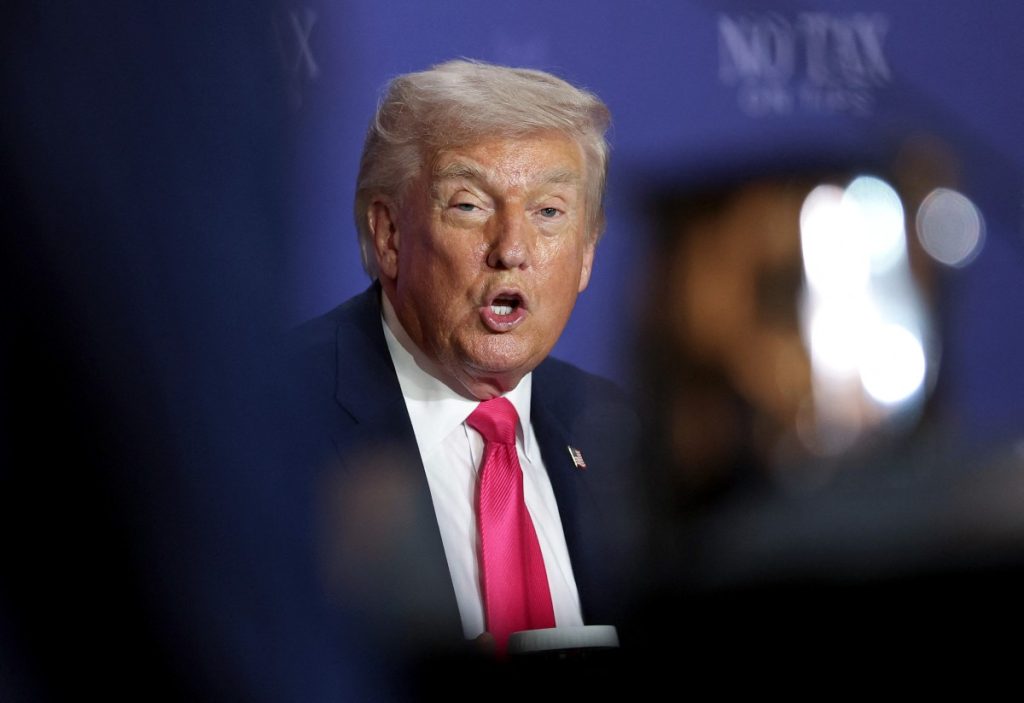
International diplomatic efforts to broker a deal between the United States and Iran were hanging in the balance on Sunday, following President Donald Trump's decision to cancel a planned trip by his envoys to Pakistan for negotiations.
nThis move came after Trump expressed skepticism about the usefulness of talks, stating that there was no point in "sitting around talking about nothing" and criticizing Tehran's negotiating position, although he did note that Iran had revised its proposal shortly after his decision.
nTrump revealed that his administration had received a new proposal from Iran within 10 minutes of canceling the trip, saying "They gave us a paper that should have been better and — interestingly — immediately, when I canceled it, within 10 minutes, we got a new paper that was much better," without providing further details.
nThe White House had previously announced that Trump's son-in-law Jared Kushner and special envoy Steve Witkoff were scheduled to travel to Pakistan on Saturday for talks with Iranian officials aimed at moving "toward a deal," but Trump later confirmed that he had scrapped the trip.
nTrump stated that "We have all the cards" and that Iran could initiate contact at any time, but emphasized that he would not engage in futile discussions, telling his team "you're not going to be making any more 18-hour flights to sit around talking about nothing."
nWhen asked if the cancelation of the trip would lead to a resurgence of hostilities, Trump responded "No, it doesn't mean that" and added "We haven't thought about it yet."
nFollowing the arrest of a gunman at the White House Correspondents' Association dinner in Washington, Trump downplayed the incident's connection to Iran, but asserted that it would not deter him "from winning the war."
nIranian Foreign Minister Abbas Araghchi had concluded a visit to Islamabad earlier, meeting with Pakistan's military chief Asim Munir, Prime Minister Shehbaz Sharif, and Foreign Minister Ishaq Dar, before departing for Muscat and planning to return to Pakistan on Sunday for further meetings.
nAraghchi was then scheduled to travel to Russia for discussions on ending the war, which was launched by the United States and Israel on February 28, and described his trip to Pakistan as "very fruitful," while also expressing skepticism about Washington's commitment to diplomacy.
nAraghchi stated "Have yet to see if the US is truly serious about diplomacy," and Iranian state television reported that he had no plans to meet with US officials, with Islamabad serving as a mediator.
nPrime Minister Shehbaz Sharif said he had spoken with Iranian President Masoud Pezeshkian and reaffirmed Islamabad's commitment to facilitating "durable peace," while Pezeshkian told Sharif that Iran would not be intimidated by Washington's "hostile actions."
nThe pressure to end the war has intensified due to the ongoing blockade of the Strait of Hormuz, a vital oil and gas route, which remains closed.
nIran's Revolutionary Guards stated that they had no intention of lifting the blockade, which has disrupted energy markets, and emphasized that "Controlling the Strait of Hormuz and maintaining the shadow of its deterrent effects over America and the White House's supporters in the region is the definitive strategy of Islamic Iran."
nThe United States has imposed a blockade on Iranian ports in response, and Iran's military warned that continued US "blockading, banditry and piracy" would elicit a response.
nOn the war's Lebanese front, Israeli Prime Minister Benjamin Netanyahu ordered strikes against Hezbollah, accusing the Iran-backed group of violating a ceasefire extension announced earlier in the week.
nLebanese state media reported Israeli attacks in at least four locations in the south, resulting in the deaths of six people, according to Lebanon's health ministry.
nIsrael's military claimed to have "eliminated" three Hezbollah operatives and two other armed members of the group, while Mohammed Raad, the head of the parliamentary bloc for Hezbollah, urged Lebanon to withdraw from talks and warned that any deal would lack national consensus.
Related Stories
 General News
CELEBRATING TWO YEARS OF TRANSFORMATIONAL LEADERSHIP IN THE PRESIDENTIAL AMNESTY PROGRAMME
Tomorrow, 14TH March 2026, as we look forward to the second anniversary, we reflect on the remarkable two years since the Administrator of the Preside
 General News
PRESIDENTIAL AMNESTY PROGRAMME PHASE 3: DISREGARD PURPORTED STATEMENT ON DELAYED ITA PAYMENTS — OFFICE OF NATIONAL CHAIRMAN
The Office of the National Chairman of the Presidential Amnesty Programme Phase 3, General Elaye ThankGod Dollar Slaboh, has called on beneficiaries a
 General News
RE: CLARIFICATION ON MY PERSONAL RELATIONSHIPS
PUBLIC NOTICErnrnRE: CLARIFICATION ON MY PERSONAL RELATIONSHIPSrnrnIt has become necessary to make this public clarification following the increasing