
President Trump scraps diplomatic visit to Pakistan, rules out renewed conflict
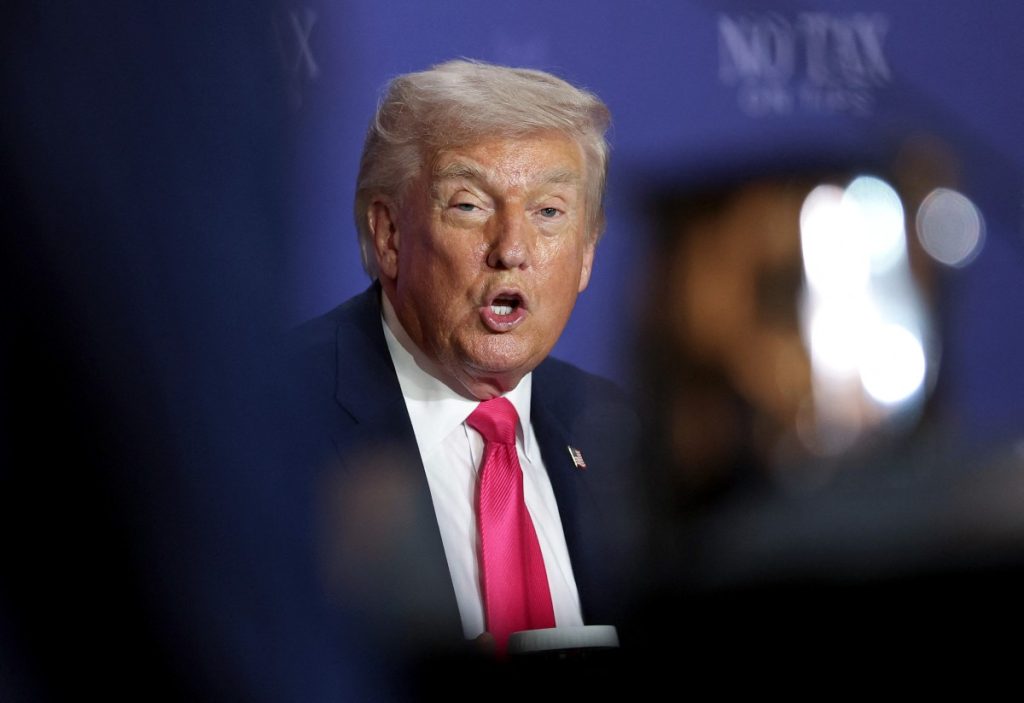
US President Donald Trump revealed on Saturday that he had cancelled a planned trip by his envoys to Pakistan, where they were set to engage in peace talks with Iran, although he clarified that this decision does not signify an immediate resumption of the US-Israeli war against the Islamic republic.
nIranian Foreign Minister Abbas Araghchi had just concluded his own diplomatic visit to Islamabad, where he met with key figures including Pakistani military chief Asim Munir, Prime Minister Shehbaz Sharif, and Foreign Minister Ishaq Dar, prior to Trump's announcement.
nThe White House had previously stated that Trump emissaries Steve Witkoff and Jared Kushner were scheduled to travel to Pakistan for an in-person conversation with Iranian officials, aiming to move towards a deal, but Trump informed Fox News on Saturday that he had cancelled the trip.
nTrump explained that he had told his team, "We have all the cards, they can call us anytime they want, but you're not going to be making any more 18-hour flights to sit around talking about nothing," emphasizing the US's position in the negotiations.
nWhen questioned by Axios about whether the cancelled trip meant a resumption of hostilities, Trump replied, "No, it doesn't mean that, we haven't thought about it yet," leaving the situation uncertain.
nIran's foreign ministry reported that Araghchi had departed Islamabad and arrived in Muscat on Saturday for meetings with Omani officials, and he is also expected to travel to Russia to discuss efforts to end the war, which began on February 28.
nAraghchi described his trip to Pakistan as "very fruitful" in a post on X, stating that he had shared Iran's position on a framework to permanently end the war, and added, "Have yet to see if the US is truly serious about diplomacy."
nThe prospect of new talks had already been uncertain, with Iranian state television stating that Araghchi had no plans to meet with the Americans and that Islamabad would serve as a bridge to convey Iranian proposals.
nThe urgency of striking a deal to end the war has increased as the Strait of Hormuz, a vital conduit for global oil and gas supplies, remains closed, with Iran's Revolutionary Guards saying they have no intention of ending their blockade of the waterway.
nThe Guards stated on their official Telegram channel, "Controlling the Strait of Hormuz and maintaining the shadow of its deterrent effects over America and the White House's supporters in the region is the definitive strategy of Islamic Iran."
nThe US has imposed a blockade of its own on Iranian ports in retaliation, prompting a defiant statement from the Iranian military's central command, which warned that if the US continues its blockade, "they should be certain that they will face a response".
nSince the first round of US-Iran talks, efforts to bring the two sides back to the table have hit an impasse, with Iran refusing to participate as long as the US naval blockade remains in place, allowing only a limited number of ships to pass through the Strait of Hormuz.
nEuropean Council President Antonio Costa urged the immediate reopening of the Strait of Hormuz, saying, "This is vital for the entire world," and emphasizing the need for unrestricted access to the waterway.
nOn the war's Lebanese front, Trump announced a three-week ceasefire extension on Thursday and expressed optimism about peace prospects after meeting with Israeli and Lebanese envoys, but Mohammed Raad, the head of the parliamentary bloc for Hezbollah, warned against a lasting peace deal.
nRaad urged the Lebanese government to withdraw from direct talks with Israel, cautioning that a peace deal "will in no way enjoy Lebanese national consensus", while Israeli Prime Minister Benjamin Netanyahu accused Hezbollah of trying to sabotage the peace process.
nDespite the ceasefire, Israeli strikes on Saturday in the Nabatieh and Bint Jbeil districts in southern Lebanon resulted in the deaths of six people, according to Lebanon's health ministry.
nIn the coastal city of Sidon, 74-year-old Ahmad Shumar and his family were preparing to return to their hometown in the south, saying, "We are going home now, not knowing whether there will be war or peace — we will see," as they packed their belongings.
Related Stories
 General News
CELEBRATING TWO YEARS OF TRANSFORMATIONAL LEADERSHIP IN THE PRESIDENTIAL AMNESTY PROGRAMME
Tomorrow, 14TH March 2026, as we look forward to the second anniversary, we reflect on the remarkable two years since the Administrator of the Preside
 General News
PRESIDENTIAL AMNESTY PROGRAMME PHASE 3: DISREGARD PURPORTED STATEMENT ON DELAYED ITA PAYMENTS — OFFICE OF NATIONAL CHAIRMAN
The Office of the National Chairman of the Presidential Amnesty Programme Phase 3, General Elaye ThankGod Dollar Slaboh, has called on beneficiaries a
 General News
RE: CLARIFICATION ON MY PERSONAL RELATIONSHIPS
PUBLIC NOTICErnrnRE: CLARIFICATION ON MY PERSONAL RELATIONSHIPSrnrnIt has become necessary to make this public clarification following the increasing