
Peterside endorses GoNigeriaNG initiative, outlines key areas to bolster democratic framework in Nigeria
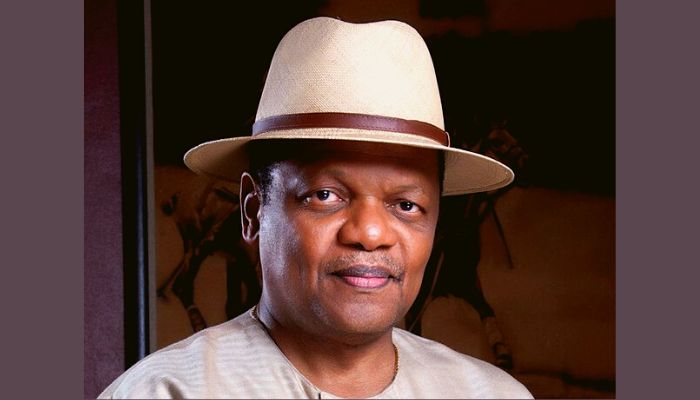
Atedo Peterside, founder of Stanbic IBTC Bank and a prominent business leader, has expressed his support for the civic platform GoNigeria, emphasizing the importance of four key pillars in maintaining Nigeria's democratic system.
nThese pillars, according to Peterside, are electoral reform, judicial reform, freedom of speech, and the security of life and property, with electoral reform being the most critical of the four, as stated in a post on his X platform on Tuesday.
nPeterside stressed that credible elections are essential for building legitimacy, strengthening institutions, and ensuring effective governance, noting that elections determine the legitimacy of power, trust in institutions, and the effectiveness of governance.
nHe stated, “Elections do not simply select leaders; they determine whether power is accepted as legitimate, whether institutions are trusted, and whether governance will be effective,” highlighting the significance of electoral reform.
nGoNigeria's statement, released on Tuesday, aligns with Peterside's position, underscoring the urgency of electoral reform in safeguarding Nigeria's democratic future and referencing the recommendations of the electoral reform committee led by Mohammed Uwais.
nThe committee's recommendations emphasized the independence of the electoral body, transparency in processes, credible dispute resolution, and strict enforcement of electoral laws, aiming to enhance transparency and public trust through the use of technology.
nSubsequent reforms, including the introduction of biometric voter registration, Permanent Voters’ Cards, and electronic accreditation, were also aimed at increasing transparency and public trust, according to GoNigeria.
nNigeria reached a democratic milestone in 2015, widely regarded as a benchmark election, but progress has since faltered, with declining public confidence following the 2019 and 2023 elections due to inconsistent use of technology, weak enforcement, and increased reliance on the courts.
nSurveys indicate that fewer than half of Nigerians currently trust the electoral commission, with distrust particularly high in the South-South and South-East regions, and nearly three-quarters of young Nigerians aged 18 to 35 reportedly lacking confidence in the system.
nA weak electoral system could lead to increased violence, unaccountable leadership, and weakened institutions, prompting GoNigeria to stress that urgent reforms are necessary to avert further democratic decline.
nGoNigeria also expressed concerns over the discretionary powers of electoral officials, particularly regarding manual transmission of results during network failures, and called for clearer guidelines, stronger safeguards, and improved transparency.
nFollowing the recent assent to the Electoral Act 2026, the group urged stakeholders to focus on effective implementation, public engagement, and rebuilding trust in the electoral process.
nGoNigeria reaffirmed its commitment to promoting credible elections through advocacy, stakeholder engagement, and informed public discourse, aiming to ensure that electoral outcomes reflect the will of the people and are widely accepted.
nThe statement was endorsed by a broad coalition of prominent Nigerians, including Aisha Yesufu, Arunma Oteh, Matthew Kukah, Muhammadu Sanusi II, and Folarin Falana, among others.
Related Stories
 General News
CELEBRATING TWO YEARS OF TRANSFORMATIONAL LEADERSHIP IN THE PRESIDENTIAL AMNESTY PROGRAMME
Tomorrow, 14TH March 2026, as we look forward to the second anniversary, we reflect on the remarkable two years since the Administrator of the Preside
 General News
PRESIDENTIAL AMNESTY PROGRAMME PHASE 3: DISREGARD PURPORTED STATEMENT ON DELAYED ITA PAYMENTS — OFFICE OF NATIONAL CHAIRMAN
The Office of the National Chairman of the Presidential Amnesty Programme Phase 3, General Elaye ThankGod Dollar Slaboh, has called on beneficiaries a
 General News
RE: CLARIFICATION ON MY PERSONAL RELATIONSHIPS
PUBLIC NOTICErnrnRE: CLARIFICATION ON MY PERSONAL RELATIONSHIPSrnrnIt has become necessary to make this public clarification following the increasing