
Peter Obi Explains His Decision to Quit ADC
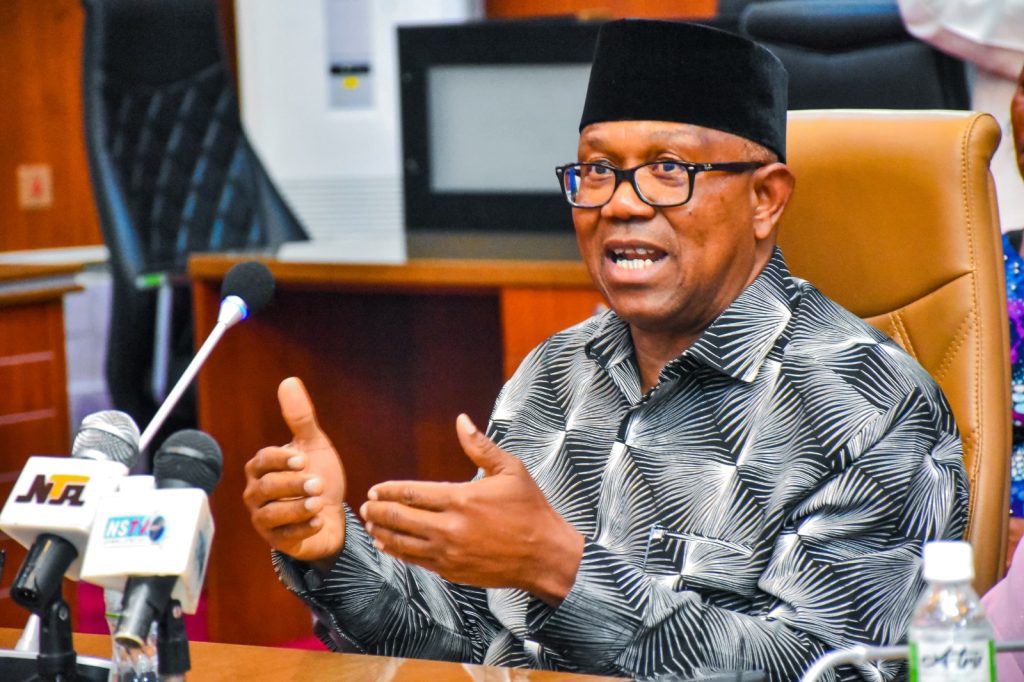
Peter Obi, a former presidential candidate, has shed light on the motivations behind his departure from the African Democratic Congress, citing a trifecta of internal strife, external pressures, and a deteriorating political landscape.
nIn a statement issued on Sunday, Obi painted a dire picture of Nigeria's political arena, characterizing it as increasingly venomous and marked by bullying, lawlessness, and relentless scrutiny, all of which he claimed undermine sincere efforts to serve and build the nation.
nObi was quick to clarify that his decision to leave the party was not born out of personal animosity towards its leadership, including National Chairman David Mark or former Vice President Atiku Abubakar, and that he continues to hold them in high esteem.
nAccording to Obi, the same destabilizing forces that plagued the Labour Party during his tenure are now beginning to manifest within the ADC, sowing internal discord and legal disputes.
nHe noted that the same agents of the Nigerian state who created unnecessary turmoil and hostility within the Labour Party, forcing his exit, now appear to be infiltrating the ADC, with deleterious consequences.
nObi expressed deep concern over a pervasive culture that misconstrues integrity, humility, and a commitment to service as signs of weakness, often subjecting individuals who work with sincerity to unjust criticism and misrepresentation.
nHe lamented that even within political platforms where one makes meaningful contributions, individuals can be ostracized and unfairly blamed for challenges that lie beyond their control.
nDespite his withdrawal from the ADC, Obi emphasized that his decision was motivated by a desire to preserve peace within the party, even as he continues to face criticism from various quarters.
nThe former Anambra State governor reiterated that his political aspirations are not driven by a lust for office, but rather by a deep-seated commitment to improving the welfare of the Nigerian people.
nObi declared, "I am not desperate to be President, Vice President, or Senate President, but I am desperate to see a society that works for all," highlighting the need for a more equitable and just social order.
nHe underscored key concerns, including insecurity, poverty, and displacement, emphasizing the need for leadership that prioritizes compassion, justice, and equal opportunity for all citizens.
nObi, however, reaffirmed his unwavering belief in Nigeria's potential, insisting that the country can still achieve meaningful progress under responsible and visionary leadership.
nWith unbridled optimism, Obi proclaimed, "A new Nigeria is possible," underscoring his conviction that a brighter future is within reach.
Related Stories
 General News
CELEBRATING TWO YEARS OF TRANSFORMATIONAL LEADERSHIP IN THE PRESIDENTIAL AMNESTY PROGRAMME
Tomorrow, 14TH March 2026, as we look forward to the second anniversary, we reflect on the remarkable two years since the Administrator of the Preside
 General News
PRESIDENTIAL AMNESTY PROGRAMME PHASE 3: DISREGARD PURPORTED STATEMENT ON DELAYED ITA PAYMENTS — OFFICE OF NATIONAL CHAIRMAN
The Office of the National Chairman of the Presidential Amnesty Programme Phase 3, General Elaye ThankGod Dollar Slaboh, has called on beneficiaries a
 General News
RE: CLARIFICATION ON MY PERSONAL RELATIONSHIPS
PUBLIC NOTICErnrnRE: CLARIFICATION ON MY PERSONAL RELATIONSHIPSrnrnIt has become necessary to make this public clarification following the increasing