
Oil prices surge past $100 a barrel as Iranian strikes counterbalance emergency reserves release
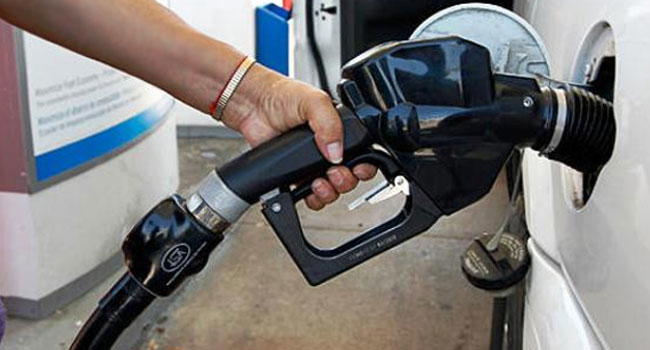
Oil prices surged past $100 on Thursday, driven by Iran's latest attempts to disrupt Middle East supplies and threaten the global economy, overshadowing the International Energy Agency's record release of 400 million barrels of strategic crude.
nThe IEA's move, which included 172 million barrels from the United States, was unable to alleviate concerns about the impact of the conflict on energy supplies, particularly with the Strait of Hormuz, a key waterway for global crude, effectively shut down.
nAs the US-Israel strikes on Iran entered their third week, Tehran responded with more retaliatory attacks, including two tankers struck in Iraqi waters on Thursday, while Bahrain reported an attack on fuel tanks and Saudi Arabia intercepted drones headed to the Shaybah oil field.
nBrent crude jumped over 9% to reach $101.59 a barrel, while West Texas Intermediate spiked to just under $96, with both contracts having risen as much as 30% on Monday to nearly $120.
nAnalysts warned that the ongoing hostilities could lead to a prolonged period of high oil prices, with $90-$100 a barrel potentially becoming the new normal.
nIran's Revolutionary Guards threatened to target "economic centres and banks" linked to US and Israeli interests, with an adviser to the Guards' commander-in-chief stating that the US and Israel should prepare for a long war of attrition that could "destroy" the world economy.
nThe conflict has already had a significant impact on the global economy, with stocks retreating and airlines rethinking flights through the Middle East due to rising fuel costs, including Air New Zealand, which announced plans to cut 1,100 flights over the next two months.
nThe surge in oil prices has also raised concerns about inflation and the potential for central banks to hike interest rates, weighing on equities, with markets in Tokyo, Hong Kong, Shanghai, Sydney, Seoul, Bangkok, Wellington, Singapore, Taipei, Manila, and Jakarta all experiencing significant declines.
nAccording to Stephen Innes at SPI Asset Management, the IEA's release of strategic crude is a "symbolic gesture" that may only temporarily dampen volatility, but cannot change the underlying risk landscape with the Strait of Hormuz under threat.
nSaxo Markets' Neil Wilson noted that the IEA's move had already been priced in by investors and that the market is more concerned about the flow of oil than reserves, with the war having already caused the loss of around 200 million barrels.
nUS President Trump reiterated his claim that the strikes had practically defeated Iran, stating "they are pretty much at the end of the line," but Israel's military signaled that the campaign is far from over, with a "broad bank of targets" still remaining.
nAs of 0330 GMT, key figures included West Texas Intermediate up 8.6% at $94.72 per barrel, Brent North Sea Crude up 9.0% at $100.29 per barrel, and significant declines in major stock markets, including the Nikkei 225, Hang Seng Index, and Dow.
Related Stories
 General News
CELEBRATING TWO YEARS OF TRANSFORMATIONAL LEADERSHIP IN THE PRESIDENTIAL AMNESTY PROGRAMME
Tomorrow, 14TH March 2026, as we look forward to the second anniversary, we reflect on the remarkable two years since the Administrator of the Preside
 General News
PRESIDENTIAL AMNESTY PROGRAMME PHASE 3: DISREGARD PURPORTED STATEMENT ON DELAYED ITA PAYMENTS — OFFICE OF NATIONAL CHAIRMAN
The Office of the National Chairman of the Presidential Amnesty Programme Phase 3, General Elaye ThankGod Dollar Slaboh, has called on beneficiaries a
 General News
RE: CLARIFICATION ON MY PERSONAL RELATIONSHIPS
PUBLIC NOTICErnrnRE: CLARIFICATION ON MY PERSONAL RELATIONSHIPSrnrnIt has become necessary to make this public clarification following the increasing