
Nigeria's researchers call for urgent monitoring at borders amid Ebola concerns
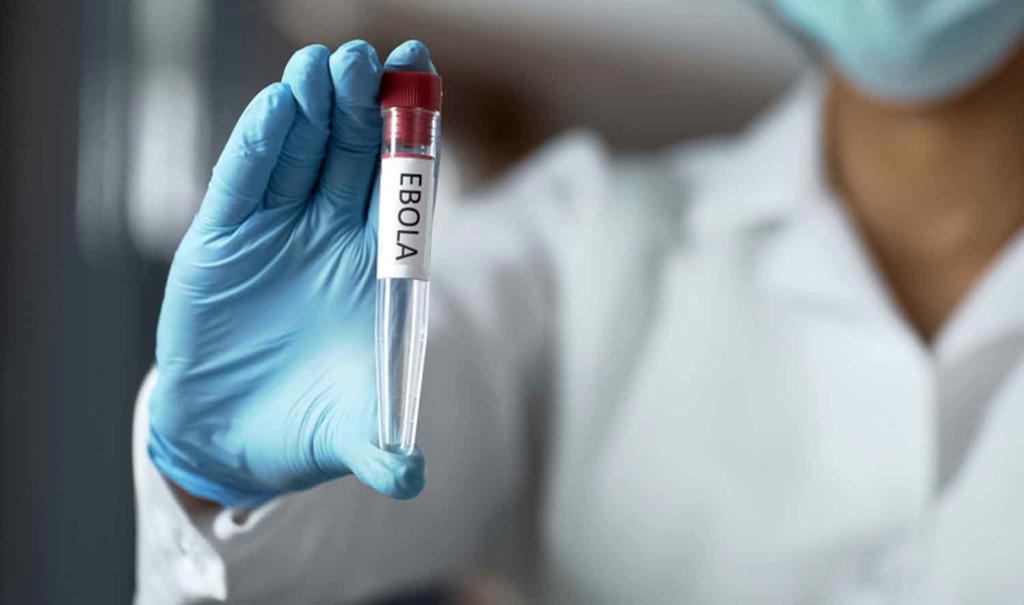
Nigeria's medical scientists have sounded the alarm over the possibility of Ebola entering the country, citing the outbreak in the Democratic Republic of Congo and Uganda as a potential trigger for a major public health crisis if preventive measures are not taken immediately.
nThe Academy of Medical Sciences, Nigeria, has called on the federal government to bolster border surveillance, activate emergency preparedness systems, and put all health institutions on high alert to mitigate the risk of cross-border transmission.
nRegional mobility, trade, and travel have increased Nigeria's vulnerability to the virus, according to the Academy, which warned that the recent outbreaks in DRC and Uganda pose a credible risk of transmission into Nigeria.
nA public health advisory issued by the Academy, signed by Prof. Obinna Onwujekwe and Emeritus Prof. Osato Giwa-Osagie, cautioned against complacency, citing Nigeria's successful containment of Ebola in 2014 as no guarantee against future outbreaks.
nThe advisory emphasized that the recurrence of outbreaks in Africa highlights the continued vulnerability of all nations to transboundary infectious diseases, underscoring the need for vigilance and preparedness.
nAccording to the Academy, Ebola is a severe and often fatal viral haemorrhagic disease that can cause widespread disruption if not rapidly contained, making it essential to take proactive measures to prevent its spread.
nThe scientists warned that Nigeria's airports, seaports, and land borders must be protected, recommending the immediate deployment of rapid screening systems for travellers arriving from affected regions.
nThe Academy suggested dedicated screening lanes for passengers from outbreak areas, digital travel surveillance systems, temperature checks, exposure-history assessments, and emergency isolation units at entry points to prevent the spread of the virus.
nThe medical scientists urged the federal government to enhance monitoring at international airports, seaports, and land borders, particularly for travellers arriving from affected regions, to prevent the entry of the virus into the country.
nThe Academy called for the urgent activation of the National Ebola Incident Management System, involving the federal ministry of health, the Nigeria Centre for Disease Control, and state governments, to coordinate a response to the potential outbreak.
nThe scientists also recommended that all states reactivate infectious disease emergency structures, isolation centres, referral systems, and rapid response teams to prevent a repeat of previous outbreaks witnessed on the continent.
nThe Academy further urged health institutions across the country to establish Ebola-ready treatment zones with strict infection prevention protocols, warning that healthcare workers are among the most vulnerable during outbreaks.
nThe experts emphasized the need to provide adequate personal protective equipment, infection prevention training, and emergency protocols for frontline healthcare personnel to protect them from the virus.
Related Stories
 General News
CELEBRATING TWO YEARS OF TRANSFORMATIONAL LEADERSHIP IN THE PRESIDENTIAL AMNESTY PROGRAMME
Tomorrow, 14TH March 2026, as we look forward to the second anniversary, we reflect on the remarkable two years since the Administrator of the Preside
 General News
PRESIDENTIAL AMNESTY PROGRAMME PHASE 3: DISREGARD PURPORTED STATEMENT ON DELAYED ITA PAYMENTS — OFFICE OF NATIONAL CHAIRMAN
The Office of the National Chairman of the Presidential Amnesty Programme Phase 3, General Elaye ThankGod Dollar Slaboh, has called on beneficiaries a
 General News
RE: CLARIFICATION ON MY PERSONAL RELATIONSHIPS
PUBLIC NOTICErnrnRE: CLARIFICATION ON MY PERSONAL RELATIONSHIPSrnrnIt has become necessary to make this public clarification following the increasing