
Nigeria's North Records Highest Rate of Teen Pregnancies, According to New Study
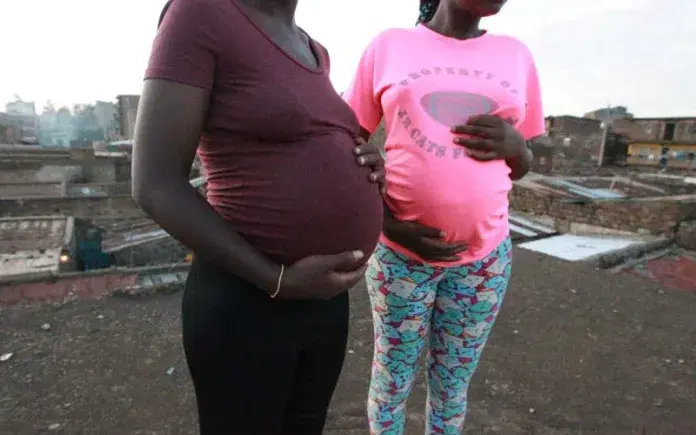
Nigeria continues to grapple with the issue of teenage pregnancy, which poses a significant threat to public health, particularly in northern states such as Kebbi, Zamfara, and Kaduna, where the rates are highest.
nThese findings are outlined in the 2025 State of Health of the Nation Report, which was released in Abuja on Sunday and developed under the National Health Act of 2014, shedding light on adolescent reproductive health trends and regional disparities across the country.
nThe report reveals that a staggering 32 per cent of girls aged 15–19 in Kebbi have experienced pregnancy, closely followed by Zamfara and Kaduna, where the rates stand at 30 per cent each, whereas Lagos and Edo have significantly lower rates of around three per cent.
nBased on data from the Nigeria Demographic and Health Survey (NDHS) 2024, the findings underscore the existence of pronounced regional differences and emphasize the need for targeted interventions to enhance adolescent reproductive health outcomes nationwide.
nAs highlighted in the report, teenage pregnancy is linked to increased risks of maternal and child morbidity and mortality, while also contributing to social challenges, including school dropout among adolescent girls in high-risk states.
nNotably, the report observes that pregnancy prevalence decreases with education, dropping from 34 per cent among girls with no schooling to four per cent among those with education beyond secondary school, thereby highlighting the protective effect of education.
nThe 2025 health sector has expanded its focus on adolescent-centered interventions, aiming to improve reproductive health outcomes and advance Universal Health Coverage (UHC), with a strengthened emphasis on primary healthcare services and community outreach programs across the country.
nInvestments have been directed towards adolescent-friendly services in primary healthcare, encompassing family planning, HIV prevention, and management of sexually transmitted infections, with the goal of enhancing accessibility and utilization of reproductive health services among teenagers.
nCommunity-based health workers have been engaged to provide counseling and selected family planning services, facilitating access to reproductive health information and interventions for adolescents in remote areas, thereby complementing facility-based care.
nFurthermore, school- and community-based water, sanitation, and hygiene (WASH) programs have been strengthened to improve adolescent well-being and reduce preventable infections, ultimately creating a healthier environment for young people across Nigeria.
nAccording to the report, there have been notable improvements in menstrual hygiene management, with 95 per cent of adolescent girls reporting the ability to wash and change privately at home, and 94 per cent using appropriate menstrual materials.
nHowever, the report expresses concern over adolescent mental health and substance abuse, citing a rise in alcohol and drug use, including tramadol and cannabis, particularly among secondary school students nationwide.
nIt is noted that adolescents and young people aged 10–24 account for approximately 32 per cent of Nigeria’s population and bear a significant burden of mental health disorders, including depression and anxiety.
nGovernment interventions have focused on integrating mental health services into HIV care programs, supported by national frameworks such as the National Policy on the Health and Development of Adolescents, which emphasize youth-friendly mental health services, early intervention, prevention, and stigma reduction.
nThe report highlights the government’s commitment to strengthening mental health services during World Mental Health Day and International Adolescent Health Week in 2025, promoting multisectoral collaboration to address substance abuse through partnerships among key stakeholders.
nThese efforts involve collaborations between the Ministry of Health, the National Drug Law Enforcement Agency (NDLEA), the World Health Organization (WHO), the United Nations Office on Drugs and Crime (UNODC), and civil society organizations.
nCertain states, including Kaduna, have introduced school- and community-based initiatives aimed at strengthening mental health awareness, building resilience, and supporting adolescents in managing stress, substance use, and other psychosocial challenges.
Related Stories
 General News
CELEBRATING TWO YEARS OF TRANSFORMATIONAL LEADERSHIP IN THE PRESIDENTIAL AMNESTY PROGRAMME
Tomorrow, 14TH March 2026, as we look forward to the second anniversary, we reflect on the remarkable two years since the Administrator of the Preside
 General News
PRESIDENTIAL AMNESTY PROGRAMME PHASE 3: DISREGARD PURPORTED STATEMENT ON DELAYED ITA PAYMENTS — OFFICE OF NATIONAL CHAIRMAN
The Office of the National Chairman of the Presidential Amnesty Programme Phase 3, General Elaye ThankGod Dollar Slaboh, has called on beneficiaries a
 General News
RE: CLARIFICATION ON MY PERSONAL RELATIONSHIPS
PUBLIC NOTICErnrnRE: CLARIFICATION ON MY PERSONAL RELATIONSHIPSrnrnIt has become necessary to make this public clarification following the increasing