
Nigeria's financial overhaul shows promise, yet poverty rates continue to climb, says International Monetary Fund
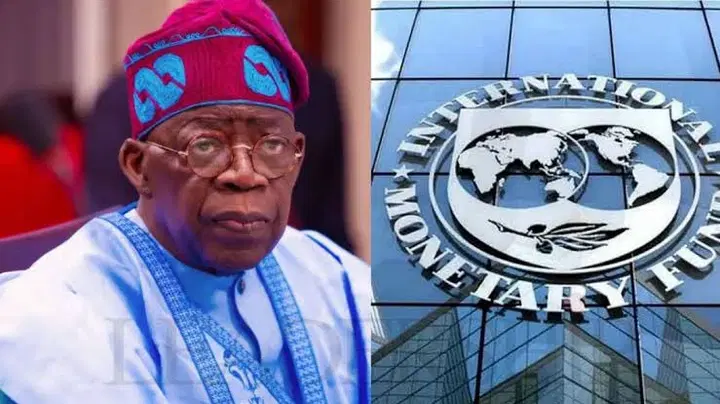
The International Monetary Fund has given a nod of approval to the reforms introduced by the Nigerian government, stating that these changes have bolstered the country's economy, yet a staggering 60 percent of Nigerians are now struggling with poverty.
nPresident Bola Tinubu, who has been in office for over three years, has implemented significant policy changes, including the removal of a costly fuel subsidy, the liberalisation of the exchange rate, and a major overhaul of the tax system.
nEconomists have welcomed these long-overdue policy changes, but despite this, poverty continues to rise, with 63 percent of the population affected by the end of 2025, and more than 27 million people facing food insecurity during the year.
nThe IMF has acknowledged the positive impact of these reforms, stating that they have "yielded improved macroeconomic outcomes and built resilience", but also noted that "conditions for many Nigerians remain difficult".
nPoverty has been on the increase in Africa's most populous country for years, with the World Bank reporting that about 61 percent of the population lived in poverty, up from 40 percent in 2019, with three-quarters of this increase occurring before 2023, when Tinubu took office.
nThe World Bank noted that the bulk of the increase in poverty happened before Tinubu's tenure, highlighting the complexity of the issue.
nThe IMF has also warned that widespread insecurity from armed groups, particularly in the north where a significant portion of the country's food is produced, poses "another risk to people and economic activity".
nAccording to the latest official figures, inflation has surged to an annual rate of 15.7 percent in April, a five-month high, partly due to higher fuel prices linked to the ongoing war in the Middle East.
nAnalysts have attributed the inflation increase to the war in the Middle East and its impact on fuel prices.
nEconomic growth is projected to reach 4.1 percent this year, following a growth rate of four percent in 2025, but the IMF has cautioned that higher costs of food, fertiliser, and fuel could exacerbate inflationary pressures on poor households.
nThe IMF has warned that these increased costs could "potentially aggravate poverty and food insecurity", posing a significant challenge to the country.
nNigeria is set to hold elections in January, with President Tinubu seeking re-election for a second term, amid these economic challenges.
Related Stories
 General News
CELEBRATING TWO YEARS OF TRANSFORMATIONAL LEADERSHIP IN THE PRESIDENTIAL AMNESTY PROGRAMME
Tomorrow, 14TH March 2026, as we look forward to the second anniversary, we reflect on the remarkable two years since the Administrator of the Preside
 General News
PRESIDENTIAL AMNESTY PROGRAMME PHASE 3: DISREGARD PURPORTED STATEMENT ON DELAYED ITA PAYMENTS — OFFICE OF NATIONAL CHAIRMAN
The Office of the National Chairman of the Presidential Amnesty Programme Phase 3, General Elaye ThankGod Dollar Slaboh, has called on beneficiaries a
 General News
RE: CLARIFICATION ON MY PERSONAL RELATIONSHIPS
PUBLIC NOTICErnrnRE: CLARIFICATION ON MY PERSONAL RELATIONSHIPSrnrnIt has become necessary to make this public clarification following the increasing