
Nigeria's Correctional Facilities Grapple with Severe Food Shortages
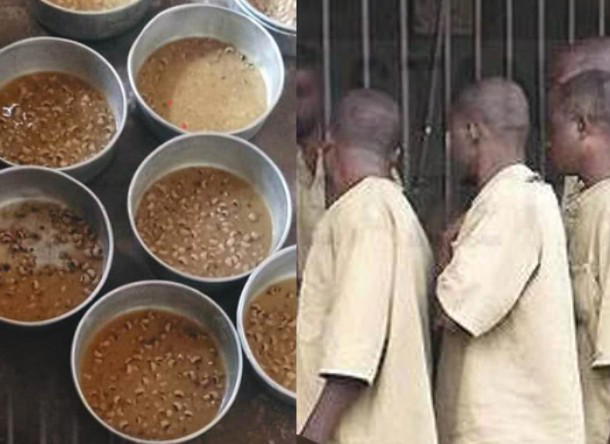
Mike Okoroafor's three-year stint at the Kirikiri Correctional Centre in Lagos was a constant battle for sustenance, as he had to find alternative sources of food to survive, due to the inadequate prison feeding system.
nOkoroafor's experience is not an isolated one, as interviews with former and current inmates, as well as investigations by Vanguard, have revealed a deeply strained feeding system across Nigeria's correctional centres, plagued by overcrowding, inadequate funding, weak oversight, and allegations of food supply diversion.
nNigeria's correctional facilities are currently operating beyond their designed capacity, with the inmate population exceeding 80,000, and about 65 per cent awaiting trial, according to data from the Nigerian Bureau of Statistics, NBS.
nThis has put enormous pressure on basic services, particularly feeding, with facilities originally built to house fewer inmates now struggling to cater to swelling populations, and kitchens designed for hundreds having to feed thousands with limited infrastructure and outdated equipment.
nThe result is a system where both the quality and quantity of meals are compromised, with inmates describing a predictable pattern of meals, including pap, beans, or tea and bread for breakfast, and rice and stew, or yam or eba served with soup for lunch and dinner.
nTunde Oyedele, a former inmate of Kirikiri Correctional Centre, described the food as "just routine, not nutrition", and recounted that eating beans was like chewing stones due to improper sorting, and that rice was often poorly processed and inadequately cooked.
nAdam Aboh, another ex-inmate, corroborated this, pointing to preparation methods as the main issue, stating that beans are cooked overnight and then mixed with small amounts of oil, pepper, and seasoning, resulting in watery and tasteless meals.
nFor many inmates, the effects of poor feeding go beyond discomfort, translating into real health challenges, as Joyce Edeh, who was held at the Kirikiri Female Correctional Centre, recounted her time in custody was marked by recurring illness linked to food quality, including stomach pain, weakness, and diarrhoea.
nThe Federal Government increased the daily feeding allowance per inmate from less than N700 to N1,500 about two years ago, but some inmates told Vanguard that this increment has not led to meaningful improvement in the quality and quantity of food provided.
nAn inmate who did not want to be named alleged that less than half a bag of beans is sometimes used to prepare breakfast for over 2,000 inmates, resulting in small portions that cannot satisfy hunger.
nAdegbite, another inmate, disclosed that many inmates deliberately avoid official meals due to their poor state, and that those who rely on prison food are mostly people who have no other option.
nAllegations of food supply diversion are a recurring theme in inmate testimonies, with one inmate telling Vanguard that the volume of food delivered to prisons often does not match what is eventually cooked, and that diverted food items are occasionally resold within the prison system.
nFaced with these challenges, inmates have developed informal systems to cope, with Vanguard findings indicating three broad categories of inmates: those who depend entirely on prison meals, those who buy and cook their own food, and a privileged minority who can afford better options through canteens or external vendors.
nNon-governmental organisations and family support are critical for inmates without the means to cook, but such interventions are irregular and insufficient to meet the needs of the entire inmate population.
nFeeding conditions have also exposed a clear divide within the prison system, with so-called "VIP inmates" able to access better food through the staff canteen or external suppliers, while the majority are left to rely on inadequate official meals.
nConcerns about prison feeding are further complicated by allegations that official inspections do not reflect everyday realities, with a female inmate telling Vanguard that the quality of food improves noticeably whenever high-ranking officials are scheduled to visit.
nHuman rights groups have called for urgent reforms to the prison feeding system, warning that the situation reflects deep structural and accountability failures, with the Executive Director of the Rule of Law and Accountability Advocacy Centre, Okechukwu Nwaguma, advocating for strict, real-time monitoring of feeding processes within the Nigerian Correctional Service.
Related Stories
 General News
CELEBRATING TWO YEARS OF TRANSFORMATIONAL LEADERSHIP IN THE PRESIDENTIAL AMNESTY PROGRAMME
Tomorrow, 14TH March 2026, as we look forward to the second anniversary, we reflect on the remarkable two years since the Administrator of the Preside
 General News
PRESIDENTIAL AMNESTY PROGRAMME PHASE 3: DISREGARD PURPORTED STATEMENT ON DELAYED ITA PAYMENTS — OFFICE OF NATIONAL CHAIRMAN
The Office of the National Chairman of the Presidential Amnesty Programme Phase 3, General Elaye ThankGod Dollar Slaboh, has called on beneficiaries a
 General News
RE: CLARIFICATION ON MY PERSONAL RELATIONSHIPS
PUBLIC NOTICErnrnRE: CLARIFICATION ON MY PERSONAL RELATIONSHIPSrnrnIt has become necessary to make this public clarification following the increasing