
Nigeria's Conflict: The Role Awolowo Played in Murtala's Rescue; Gowon Explains Why He Showed Mercy to Ojukwu
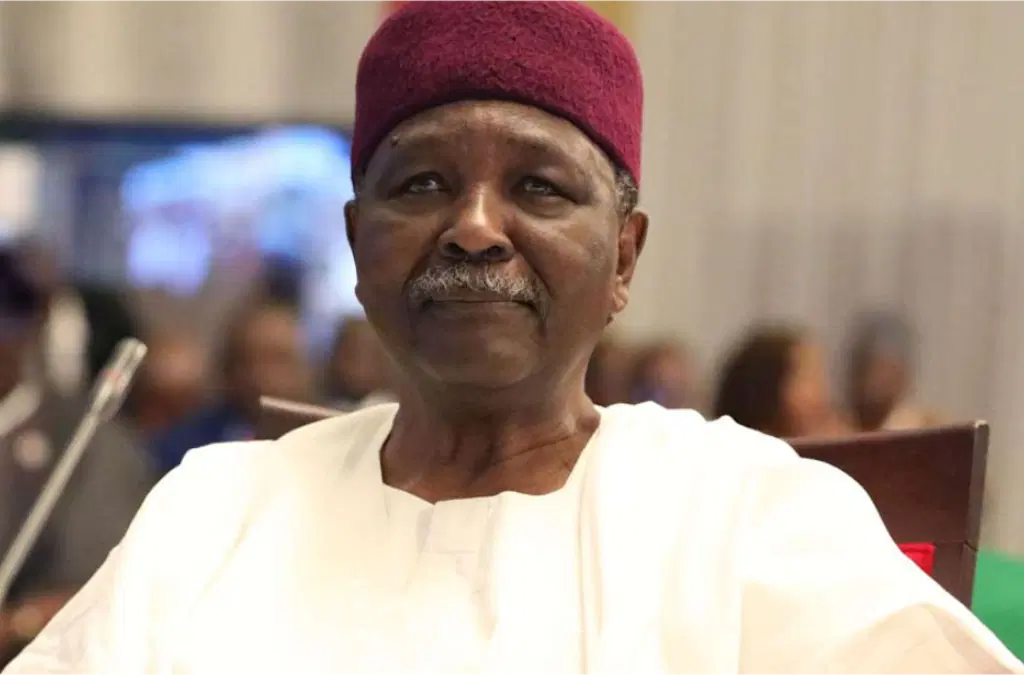
Former Head of State, Gen. Yakubu Gowon, has reignited debate on Nigeria's Civil War, shedding light on the late Chief Olusegun Awolowo's role in saving the life of late military ruler, Gen. Murtala Mohammed.
nGowon's autobiography, 'My Life of Duty & Allegiance', offers a unique perspective on the war, including the rivalries, mistakes, and tensions that defined the 1967-1970 conflict, with insights into the roles of key figures such as Chukwuemeka Odumegwu Ojukwu, Olusegun Obasanjo, and Chief Obafemi Awolowo.
nOne of the most striking revelations in the memoir concerns the failed federal attempt to cross the River Niger from Asaba into Onitsha, a decision that Gowon deemed "quite suicidal" due to the risk of rebel forces destroying the Onitsha Bridge and trapping federal troops.
nGowon advised Murtala to approach Onitsha through alternative land routes already secured by federal forces, but Murtala refused, driven by rivalry with another commander and a desire for battlefield glory, which ultimately led to catastrophic consequences.
nDespite the disastrous outcome, Gowon acknowledged Murtala's bravery under fire, describing his actions as an "audacious exploit" that showcased his courage as a Field Commander.
nThe war also exposed deep fractures within the federal command, as evidenced by a signal sent by Murtala to Gowon, which the former Head of State described as "impertinent" and a breach of military decorum.
nGowon was so angered by the signal that he considered removing Murtala from command immediately, but was persuaded to reconsider by Chief Awolowo, who intervened on Murtala's behalf.
nGowon chose to overlook Murtala's conduct, despite believing it deserved punishment, due to the shortage of experienced officers during the war, and instead allowed him to return to his base.
nGowon also reflected on the final collapse of Biafra and Ojukwu's flight into exile, stating that he never wanted Ojukwu captured or killed, and was grateful that he was not caught before or during the war.
nThe former military ruler emphasized that the war was fought to preserve Nigeria, rather than settle personal scores, and that he believed in the need for reconciliation, reconstruction, and rehabilitation after the conflict.
nThe autobiography also revisits the failed peace efforts that preceded the outbreak of full-scale war, including the collapse of negotiations after the Aburi meeting in Ghana, which Gowon attributed to distrust and hardening political positions.
nGowon acknowledged that Ojukwu was a brilliant officer, but became convinced that secession was the only answer, and that the killings of Igbos in Northern Nigeria after the 1966 coups deepened fear and mistrust across the country.
nDisagreements over a proposed armistice nearly disrupted the final surrender negotiations, with Gowon suspicious of temporary ceasefire proposals due to the risk of Biafran forces regrouping and restarting the conflict.
nThe surrender broadcast by Biafra's acting leader, Gen. Philip Effiong, reinforced the Federal Government's position that hardliners within the Biafran leadership had frustrated peace efforts throughout the war.
nThe memoir also details the internal crisis that engulfed the 3 Marine Commando under Colonel Benjamin Adekunle, with Gowon praising Adekunle's early successes, but noting that battlefield exhaustion eventually destabilized the division.
nGowon revealed that morale among soldiers deteriorated badly, with some deliberately wounding themselves to escape the frontlines, and identified the loss of Owerri as one of the gravest setbacks suffered under Adekunle's command.
nGowon admitted that he should have relieved Adekunle of his command much earlier, and that the division's decline was a significant blow to the federal war effort.
nThroughout the memoir, Gowon sought to balance criticism of wartime commanders with acknowledgment of their bravery and contributions, particularly in the case of Murtala, whose actions were marked by both courage and controversy.
Related Stories
 General News
CELEBRATING TWO YEARS OF TRANSFORMATIONAL LEADERSHIP IN THE PRESIDENTIAL AMNESTY PROGRAMME
Tomorrow, 14TH March 2026, as we look forward to the second anniversary, we reflect on the remarkable two years since the Administrator of the Preside
 General News
PRESIDENTIAL AMNESTY PROGRAMME PHASE 3: DISREGARD PURPORTED STATEMENT ON DELAYED ITA PAYMENTS — OFFICE OF NATIONAL CHAIRMAN
The Office of the National Chairman of the Presidential Amnesty Programme Phase 3, General Elaye ThankGod Dollar Slaboh, has called on beneficiaries a
 General News
RE: CLARIFICATION ON MY PERSONAL RELATIONSHIPS
PUBLIC NOTICErnrnRE: CLARIFICATION ON MY PERSONAL RELATIONSHIPSrnrnIt has become necessary to make this public clarification following the increasing