
‘Nigeria's alarming maternal mortality rate persists’
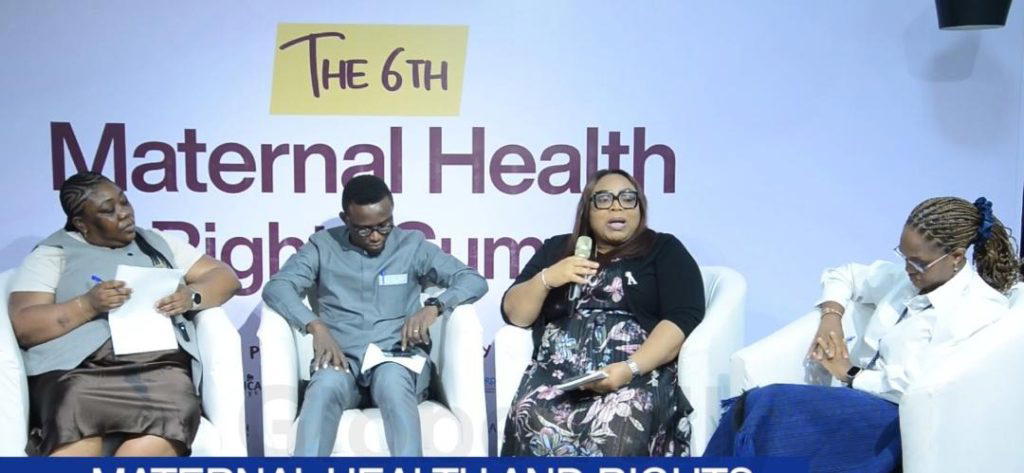
Nigeria's maternal and child mortality crisis is deteriorating, with thousands of women dying during childbirth due to inadequate care, delayed hospital arrivals, or harmful cultural beliefs, according to healthcare experts.
nAt the 6th Maternal Health Summit organised by Safer Hands Health Initiative, stakeholders expressed concern that despite years of interventions, grants, and awareness campaigns, Nigeria remains among countries with the worst maternal health indices globally.
nDr. Oluwakemisola Agoyi, Programme Manager at Safer Hands Health Initiative, described the situation as "really sad", highlighting that preventable deaths persist due to many women not receiving timely and appropriate care.
nAgoyi stated that the main reason for Nigeria's poor maternal morbidity ratio is the type of care women receive or access, as well as delays in receiving care, emphasizing that providing appropriate care at the right time and place can mitigate these issues.
nNigeria's shortage of healthcare professionals has led to a reliance on community-based attendants and nurses to bridge gaps in maternal care delivery, according to Agoyi.
nAgoyi also noted that technology and Artificial Intelligence are improving maternal healthcare outcomes by helping healthcare workers track pregnancies, predict complications, and follow up with women who miss antenatal appointments.
nDigital tools, such as text messages and digital imaging, can track, monitor, and predict potential issues before they occur, allowing for early detection of complications, Agoyi explained.
nLocally driven innovations presented at the summit showcased the use of AI-powered biomarker extraction and antenatal monitoring systems in Nigeria, demonstrating the potential of technology in improving maternal healthcare.
nDr. Habeeb Moshood, Executive Director of HCA Consults and Project Lead for the summit, emphasized that expanding affordable health insurance coverage is a key solution to reducing maternal and child deaths.
nMoshood noted that some state governments, including Lagos, Delta, and Ogun, have introduced health insurance schemes that reduce out-of-pocket spending for pregnant women, highlighting the importance of health insurance in reducing financial burdens.
nMoshood stressed that health insurance helps reduce out-of-pocket expenses and financial catastrophes, and urged stronger collaboration between the government and private sector in areas such as diagnostics, pharmaceuticals, and hospital services.
nThe government cannot alone address the maternal healthcare crisis, and must create an environment that allows the private sector to thrive and improve healthcare delivery, Moshood added.
nMoshood blamed deep-rooted cultural beliefs and misinformation for discouraging many women from seeking proper maternal care, citing the example of women refusing cesarean sections due to cultural beliefs.
nDr. Orode Doherty, Managing Director of Ingress Health Partners, emphasized that communities must take responsibility for preventing maternal deaths by identifying local problems and creating emergency support systems for pregnant women.
nDoherty explained that communities can help reduce deadly delays by organising emergency transportation systems, supporting pregnant women to access care quickly, and ensuring health facilities are prepared for emergencies.
nThe summit brought together healthcare professionals, researchers, policymakers, community leaders, and development partners to discuss solutions to reduce preventable maternal and child deaths in Nigeria.
Related Stories
 General News
CELEBRATING TWO YEARS OF TRANSFORMATIONAL LEADERSHIP IN THE PRESIDENTIAL AMNESTY PROGRAMME
Tomorrow, 14TH March 2026, as we look forward to the second anniversary, we reflect on the remarkable two years since the Administrator of the Preside
 General News
PRESIDENTIAL AMNESTY PROGRAMME PHASE 3: DISREGARD PURPORTED STATEMENT ON DELAYED ITA PAYMENTS — OFFICE OF NATIONAL CHAIRMAN
The Office of the National Chairman of the Presidential Amnesty Programme Phase 3, General Elaye ThankGod Dollar Slaboh, has called on beneficiaries a
 General News
RE: CLARIFICATION ON MY PERSONAL RELATIONSHIPS
PUBLIC NOTICErnrnRE: CLARIFICATION ON MY PERSONAL RELATIONSHIPSrnrnIt has become necessary to make this public clarification following the increasing