
Nigeria's 2026 World Cup Snub May Alter the Continent's Excitement Level
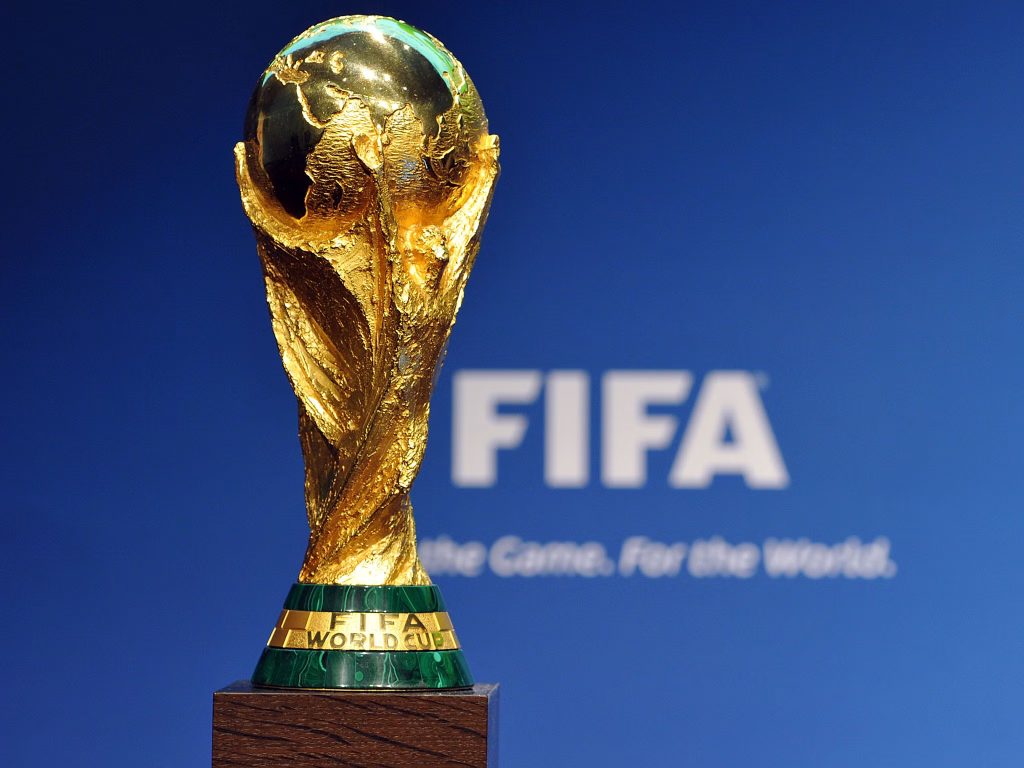
As the 2026 FIFA World Cup in the United States, Canada, and Mexico approaches, a significant storyline has emerged, with Nigeria's shocking absence from the list of African representatives dominating discussions, despite other countries like Ivory Coast, Egypt, Tunisia, Morocco, Senegal, DR Congo, Ghana, South Africa, and Algeria being represented.
nThe absence of Nigeria, a team that generates immense global attention, would have a profound impact on the "African buzz" surrounding the tournament, significantly altering the conversation and fan engagement.
nNigeria's Super Eagles are one of the few African teams that consistently drive social media trends, memes, and matchday engagement, with their fan base being one of the continent's loudest, and their absence would remove this energetic voice from the World Cup conversation.
nFrom watch parties in Lagos to diaspora communities across Europe and North America, Nigerian football culture plays a significant role in shaping the online football presence, and without it, the African football scene would feel noticeably quieter.
nNigeria is not just a football team, but also a magnet for media and commercial interests, with broadcasters and sponsors relying on their matches to boost ratings and engagement across African markets, and their absence could lead to a shift in viewership patterns towards other teams.
nWithout Nigeria, African viewership patterns might shift towards North African teams like Morocco and Egypt, or West African rivals such as Senegal and Ghana, although these teams have strong followings, they lack the scale and emotional pull of the Super Eagles.
nThe Nigerian jersey has become a cultural symbol beyond football, with the 2018 Super Eagles jersey being one of the most talked-about kits in World Cup history, and its absence would be deeply felt in the fashion and identity aspects of the tournament.
nThe "jersey vibe" is more than just clothing, it's a cultural statement that blends football with music, street fashion, and pop culture, making it a global trend even among non-football fans, and Nigeria's absence would mean missing out on one of the tournament's most anticipated kit reveals.
nAlthough the continent still boasts elite talent, including players from qualified countries, Nigeria's absence means the loss of globally marketable figures like Victor Osimhen and Ademola Lookman, who often attract neutral viewers and casual fans.
nThe absence of these Super Eagles stars could subtly reduce global curiosity around African storylines, making the tournament less appealing to some fans, and altering the narrative around African football.
nNigeria's absence could accelerate a shift in perception, with teams like Morocco, Senegal, and Algeria establishing themselves as the new faces of African football on the global stage, and creating space for emerging narratives from other teams to gain attention.
nThe 2026 FIFA World Cup would still feature a deep, talented, and ambitious African presence, but the absence of the Super Eagles would be felt beyond the pitch, in terms of stadium energy, digital engagement, and global attention, changing the volume, visibility, and vibrancy of African football on the world stage.
Related Stories
 General News
CELEBRATING TWO YEARS OF TRANSFORMATIONAL LEADERSHIP IN THE PRESIDENTIAL AMNESTY PROGRAMME
Tomorrow, 14TH March 2026, as we look forward to the second anniversary, we reflect on the remarkable two years since the Administrator of the Preside
 General News
PRESIDENTIAL AMNESTY PROGRAMME PHASE 3: DISREGARD PURPORTED STATEMENT ON DELAYED ITA PAYMENTS — OFFICE OF NATIONAL CHAIRMAN
The Office of the National Chairman of the Presidential Amnesty Programme Phase 3, General Elaye ThankGod Dollar Slaboh, has called on beneficiaries a
 General News
RE: CLARIFICATION ON MY PERSONAL RELATIONSHIPS
PUBLIC NOTICErnrnRE: CLARIFICATION ON MY PERSONAL RELATIONSHIPSrnrnIt has become necessary to make this public clarification following the increasing