
Nigerians' outrage explained by Yerima Shettima
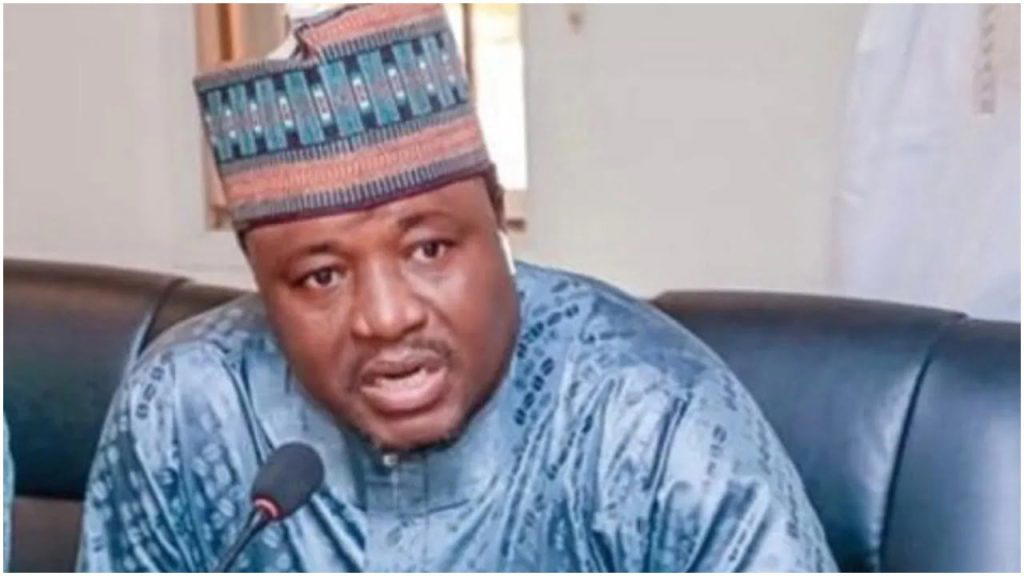
Yerima Shettima, the Convener of the Northern stakeholders consultative initiative, has shared his thoughts on the upcoming 2027 elections and the current state of Nigerian politics, emphasizing the need for politicians to be consistent and ideologically driven.
nAccording to Shettima, the lack of ideology in Nigerian politics often leads to problems, as parties are not built on consistent principles, and this is a major challenge facing the country, particularly during election periods.
nNigeria is gearing up for elections, with the timetable already released, and Shettima expressed confidence that the elections will hold as scheduled, despite concerns and panic about possible obstacles.
nThe gubernatorial primary has been concluded, and campaign activities are set to commence soon, with candidates expected to engage with voters and persuade them to support their bids, as the country prepares for the 2027 elections.
nShettima noted that many Nigerians believe the current administration is pushing the country towards a one-party state, with the opposition scattered and unable to present a united front, and he attributed this to the desperation of opposition members who are eager for power.
nHe argued that it is not the responsibility of the ruling All Progressives Congress (APC) to help the opposition build their parties, and that the opposition's desperation often leads to mistakes and poor decision-making.
nShettima, who is a pro-democrat, emphasized the importance of having a strong opposition in a democratic system, but lamented that many opposition members are more interested in gaining power than in building a credible alternative to the ruling party.
nHe also commented on the perception that the Independent National Electoral Commission (INEC) and the Judiciary have been compromised, stating that Nigeria's systemic problems are rooted in the fact that institutions are not functioning properly and are often built around individuals rather than principles.
nShettima advocated for the strengthening of institutions, including INEC, to ensure that they can operate independently and effectively, which he believes is essential for the country's democratic progress.
nThe current Senate and House of Representatives have been criticized for being rubber-stamp legislatures, but Shettima disagreed with this assessment, arguing that the National Assembly is working together with the executive to achieve common goals, even if they do not always agree on every issue.
nHe noted that the opposition parties have members in the National Assembly who contribute to discussions and decision-making, and that the legislature is not simply a rubber-stamp for the executive branch.
nNigeria's borrowing habits have been a subject of controversy, with some Nigerians protesting online against the World Bank's lending to the country, citing concerns about corruption and mismanagement of funds.
nShettima defended the government's decision to take loans, arguing that the country needs funds to invest in infrastructure, such as road networks, and that the previous administration had left the economy in a poor state, requiring the current government to take loans to survive.
nHe also argued that investing in infrastructure is more beneficial to the country than simply distributing funds to individuals, as it can boost the economy and improve the quality of life for citizens.
nThe issue of insecurity is a major challenge facing Nigeria, and Shettima advocated for decentralizing the security structure, introducing state or community policing, which he believes can help address the problem.
nHe noted that the country's security forces are facing numerous challenges, including a large population and limited manpower, and that the issue of insecurity is a global problem that requires a comprehensive approach.
nShettima commended the Nigerian armed forces for their efforts in combating insecurity, particularly in the recent operation that led to the killing of a top ISIS leader, and emphasized the need to support and encourage the security forces while also addressing the root causes of insecurity.
nThe allocation of funds for security is a critical issue, and Shettima argued that the government must ensure that funds allocated to security agencies are properly utilized and monitored to ensure that they are effective in addressing the security challenges.
nThe controversy surrounding Governor Uzodimma's alleged N800 billion has been a subject of discussion, and Shettima stated that the issue remains an allegation until proven, but emphasized that if the governor is found to have engaged in any wrongdoing, he should be held accountable.
nShettima withdrew from the primaries for the Kaduna Central Senatorial District seat, citing the supremacy of the party and the need to support the party's internal arrangements, and he expressed his commitment to continuing to support the party and its leaders.
nHe noted that his decision to withdraw was voluntary and was made in the interest of the party, and that he respects the advice of the party leaders, including the president and the governor, who intervened in the matter.
nRegarding the perception that the North is not happy with President Tinubu, Shettima stated that he is not aware of any widespread dissatisfaction with the president in the North, but acknowledged that some individuals may have personal grievances or feel that their interests were not represented.
Related Stories
 General News
CELEBRATING TWO YEARS OF TRANSFORMATIONAL LEADERSHIP IN THE PRESIDENTIAL AMNESTY PROGRAMME
Tomorrow, 14TH March 2026, as we look forward to the second anniversary, we reflect on the remarkable two years since the Administrator of the Preside
 General News
PRESIDENTIAL AMNESTY PROGRAMME PHASE 3: DISREGARD PURPORTED STATEMENT ON DELAYED ITA PAYMENTS — OFFICE OF NATIONAL CHAIRMAN
The Office of the National Chairman of the Presidential Amnesty Programme Phase 3, General Elaye ThankGod Dollar Slaboh, has called on beneficiaries a
 General News
RE: CLARIFICATION ON MY PERSONAL RELATIONSHIPS
PUBLIC NOTICErnrnRE: CLARIFICATION ON MY PERSONAL RELATIONSHIPSrnrnIt has become necessary to make this public clarification following the increasing