
Nigerian government claims debt levels are not as high as reported
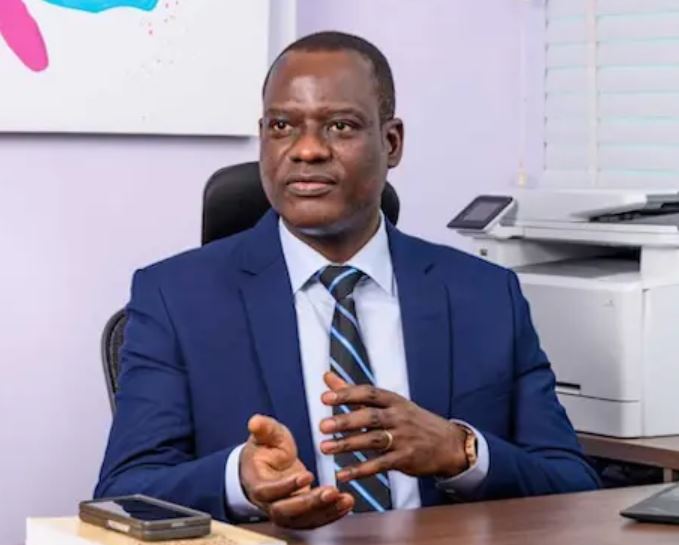
The Federal Government of Nigeria has disputed claims that the country's debt profile has spiralled out of control, with Minister of Finance and Coordinating Minister for the Economy Taiwo Oyedele asserting that borrowings under President Bola Tinubu over the past three years are significantly lower than the widely reported figure of N80 trillion.
nMr Oyedele made this clarification during a submission to the Senate Committee on Finance, where he addressed concerns raised by Sen. Adamu Aliero regarding the alleged N80 trillion debt incurred by the current administration, in addition to the N75 trillion inherited from previous governments.
nAccording to Oyedele, the Tinubu-led government's actual borrowings are nowhere near the quoted figure, and the perceived massive borrowing is largely due to exaggerated reporting by the media and accounting misadjustments.
nHe explained that when the administration took office, the public debt stood at around ₦75 trillion, and many people have since compared this figure to the current debt stock, concluding that the government has borrowed heavily.
nOyedele noted that the depreciation of the naira and subsequent revaluation of the foreign currency component of the public debt added over ₦40 trillion to the debt figure, which is often overlooked in public discussions.
nThe minister also highlighted the securitisation of the Ways and Means advances from the previous administration, which added approximately ₦33 trillion to the public debt, but was not a new borrowing, rather a process of bringing existing obligations onto the official debt books.
nThese factors, Oyedele said, have contributed to the public debt appearing larger than it actually is, and have not always been properly explained.
nThe minister further emphasized that the present administration's actual borrowings are far below what many people believe, with much of the domestic borrowing being refinancing of previously matured debt.
nOyedele stressed that the Tinubu-led administration has been responsible in its borrowing, which is strictly for infrastructure development and not for consumptive purposes, and views debt as a means to generate more value than the amount borrowed.
nThe minister assured that the administration remains committed to debt sustainability, and understands the concerns of Nigerians and the Senate regarding the country's debt profile.
nHowever, Oyedele was challenged by some committee members, including Sen. Mohammed Monguno, on the implementation of the capital component of the 2026 budget.
nSen. Sani Musa, Chairman of the committee, intervened to assure his colleagues that the implementation of the capital components of the 2026 budget would soon be felt by all, and that the committee collaborated with the minister to improve budget management and revenue flow.
nAccording to Musa, the committee is exploring performance and priority-based budgeting systems to replace the envelope system and revert to the old system of payments for contractors.
Related Stories
 General News
CELEBRATING TWO YEARS OF TRANSFORMATIONAL LEADERSHIP IN THE PRESIDENTIAL AMNESTY PROGRAMME
Tomorrow, 14TH March 2026, as we look forward to the second anniversary, we reflect on the remarkable two years since the Administrator of the Preside
 General News
PRESIDENTIAL AMNESTY PROGRAMME PHASE 3: DISREGARD PURPORTED STATEMENT ON DELAYED ITA PAYMENTS — OFFICE OF NATIONAL CHAIRMAN
The Office of the National Chairman of the Presidential Amnesty Programme Phase 3, General Elaye ThankGod Dollar Slaboh, has called on beneficiaries a
 General News
RE: CLARIFICATION ON MY PERSONAL RELATIONSHIPS
PUBLIC NOTICErnrnRE: CLARIFICATION ON MY PERSONAL RELATIONSHIPSrnrnIt has become necessary to make this public clarification following the increasing