
Nigerian conflict: Country turned to Soviet arms deal after being rebuffed by America and Britain, reveals Gowon
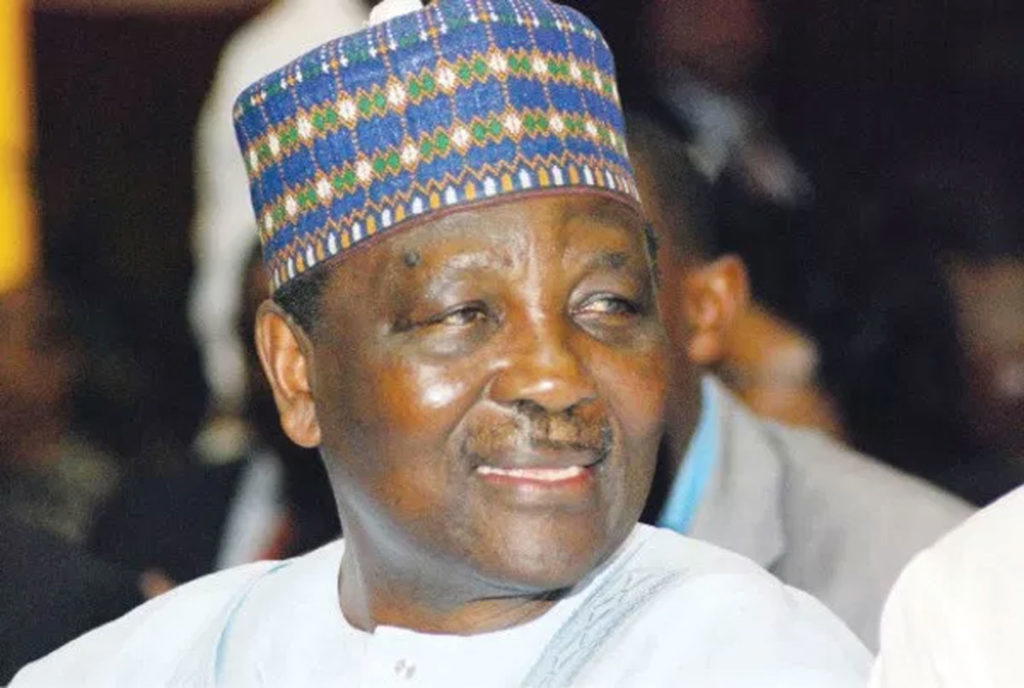
Former Head of State Yakubu Gowon has revealed that his administration was forced to seek military assistance from the Soviet Union and a Lebanese black-market businessman due to the refusal of the United States and Britain to supply arms to Nigeria during the civil war.
nThe intervention from these sources ultimately helped Nigeria turn the tide during the three-year civil war, which lasted from July 1967 to January 1970, according to Gowon.
nThese revelations are contained in Chapter 15 of his 859-page autobiography, titled “My Life of Duty and Allegiance,” which was published by the Havilah Group, Lagos, and unveiled in Abuja on Tuesday.
nPresident Bola Tinubu was represented at the launch by Vice President Kashim Shettima, where the autobiography, spanning 36 chapters, was made available to the public.
nThe book chronicles Gowon’s life from his upbringing in Plateau State to his military career, the Nigerian civil war, his removal from office in 1975, and his years in exile and academic pursuits.
nIn the chapter titled “If The Devil’s Ready To Help,” Gowon detailed the severe ammunition shortages faced by the Nigerian Army in late 1968, revealing that the military’s stockpile had dropped to about half a million rounds.
nThe dwindling supplies were worsened by restrictions placed on international arms sales to Nigeria by Western countries, which led to a significant depletion of the military’s stockpile.
nGowon explained that he was left with no choice but to order the Federal troops to hold their position after the capture of Enugu up to Okigwe and Umuahia, as he could not commit them to further advance due to the shortage of ammunition.
nThe former Head of State expressed disappointment at the attitude of the United States and Britain, particularly given their simultaneous intensification of military operations in Vietnam and Cambodia.
nGowon recalled summoning the British and American ambassadors for a critical meeting, where he emphasized his duty and responsibility to keep Nigeria united and safe for all Nigerians and other nationals resident in the country.
nDuring the meeting, Gowon stated that he would go to any lengths to get what he needed to deal with the problem and fulfill his duty to his country, without making any apologies for his actions.
nThe ambassadors left the meeting without making any commitments, prompting Gowon to direct his Principal Secretary, Hamza Ahmadu, to establish contact with the Soviet Ambassador, Aleksandr Romanov, at Dodan Barracks.
nGowon believed that Soviet support could pressure Britain and the United States into reconsidering their stance, leading to the dispatch of a Nigerian delegation to Moscow.
nThe delegation, led by Anthony Enahoro, Edwin Ogbu, Emmanuel George Kurubo, and Ambassador John Ukegbu, was successful in securing military supplies, including MiG-15 trainers and MiG-17 bombers, from the Soviet Union.
nNigeria’s relationship with the Soviet Union became “special” after the war due to the support received during the conflict, according to Gowon.
nBeyond Soviet assistance, a Lebanese businessman named Ali Jamal played a significant role in helping Nigeria secure military supplies through black-market channels.
nJamal personally financed the procurement of arms and ammunition at a time when the Nigerian government lacked the funds to make immediate payments, with the understanding that he would be reimbursed interest-free at a later time.
nGowon credited Jamal’s support with helping to change the face of the war, as Nigeria was able to acquire the necessary hardware and ammunition.
nHowever, the former military ruler faced opposition from then Finance Commissioner, Obafemi Awolowo, who refused to authorize payment to Jamal due to concerns about following due process and staying within the approved budget.
nGowon was aghast at Awolowo’s stance, feeling that the Finance Commissioner did not understand the gravity of the situation and the need to prioritize the survival of the men in the field.
nGowon ultimately used his authority as Head of State and Head of Government to override Awolowo’s objections and ensure that Jamal was paid in full.
Related Stories
 General News
CELEBRATING TWO YEARS OF TRANSFORMATIONAL LEADERSHIP IN THE PRESIDENTIAL AMNESTY PROGRAMME
Tomorrow, 14TH March 2026, as we look forward to the second anniversary, we reflect on the remarkable two years since the Administrator of the Preside
 General News
PRESIDENTIAL AMNESTY PROGRAMME PHASE 3: DISREGARD PURPORTED STATEMENT ON DELAYED ITA PAYMENTS — OFFICE OF NATIONAL CHAIRMAN
The Office of the National Chairman of the Presidential Amnesty Programme Phase 3, General Elaye ThankGod Dollar Slaboh, has called on beneficiaries a
 General News
RE: CLARIFICATION ON MY PERSONAL RELATIONSHIPS
PUBLIC NOTICErnrnRE: CLARIFICATION ON MY PERSONAL RELATIONSHIPSrnrnIt has become necessary to make this public clarification following the increasing