
Nigerian citizens have the right to film law enforcement officers while they are on the job, according to a court ruling
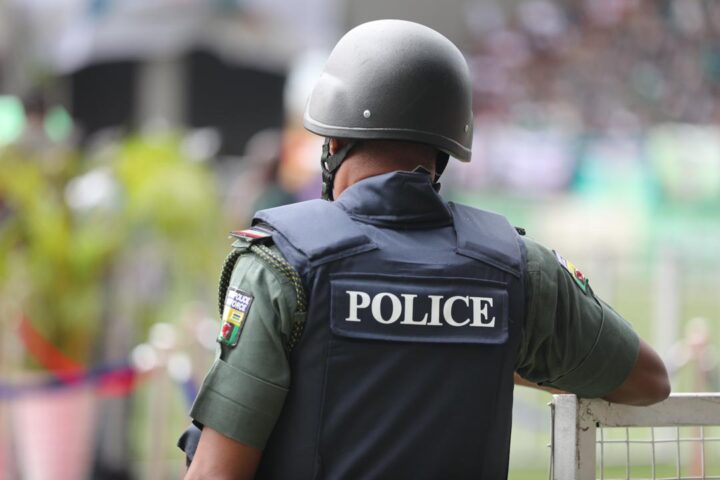
In a landmark decision, the Federal High Court in Warri, Delta State, has affirmed that Nigerians have the constitutional right to film police officers while they carry out their duties in public, thereby bolstering accountability and civil liberties.
nThis ruling, delivered on Tuesday in suit No. FHC/WR/CS/87/2025, was made by Justice H. A. Nganjiwa, who ordered that police officers must be identifiable through visible name tags and displayed force numbers, and must refrain from harassing or intimidating citizens who record their activities.
nThe court also ordered that police officers must not arrest or confiscate devices from citizens who are recording their actions, further solidifying the rights of citizens to document police conduct.
nIn addition to the ruling, the court awarded Maxwell Uwaifo, the applicant, N5 million in damages for the violation of his fundamental rights, as well as N2 million to cover the costs of litigation.
nAll the reliefs sought by Uwaifo were granted by the court, reinforcing the right of citizens to record police activities in public spaces without fear of reprisal.
nUwaifo described the judgement as far-reaching, stating that it has significant implications for policing standards, civil liberties, and public accountability across Nigeria.
nAccording to Uwaifo, the court made significant pronouncements on police accountability and citizens' constitutional rights, highlighting the judgement's importance.
nThe suit, which was filed as a public interest litigation, challenged the legality of police stop-and-search operations that were carried out without proper identification being displayed by the officers.
nThe respondents in the case included the Nigeria Police Force, the Police Service Commission, the Inspector-General of Police, and the Attorney-General of the Federation.
nThe action was filed under the Fundamental Rights (Enforcement Procedure) Rules, 2009, and cited several provisions of the 1999 Constitution, including Sections 34, 35, 36, 37, 38, 39, 41, and 46.
nThe applicant also cited relevant articles of the African Charter on Human and Peoples’ Rights in the originating summons.
nIn the summons, Uwaifo asked the court to determine whether citizens can lawfully record police officers and whether harassment or arrest for such actions constitutes a violation of fundamental rights.
Related Stories
 General News
CELEBRATING TWO YEARS OF TRANSFORMATIONAL LEADERSHIP IN THE PRESIDENTIAL AMNESTY PROGRAMME
Tomorrow, 14TH March 2026, as we look forward to the second anniversary, we reflect on the remarkable two years since the Administrator of the Preside
 General News
PRESIDENTIAL AMNESTY PROGRAMME PHASE 3: DISREGARD PURPORTED STATEMENT ON DELAYED ITA PAYMENTS — OFFICE OF NATIONAL CHAIRMAN
The Office of the National Chairman of the Presidential Amnesty Programme Phase 3, General Elaye ThankGod Dollar Slaboh, has called on beneficiaries a
 General News
RE: CLARIFICATION ON MY PERSONAL RELATIONSHIPS
PUBLIC NOTICErnrnRE: CLARIFICATION ON MY PERSONAL RELATIONSHIPSrnrnIt has become necessary to make this public clarification following the increasing