
Nigeria, Sudan and eight other nations account for nearly 70 percent of the globe's population struggling with hunger, according to the UN.
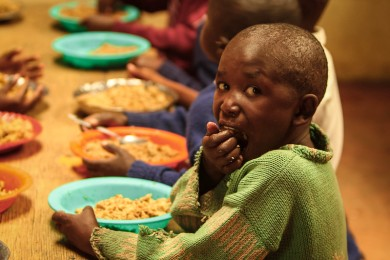
A UN-backed report released on Friday revealed that two-thirds of individuals facing food crises worldwide in the previous year resided in just 10 countries, with a significant proportion of them, approximately one-third, living in Sudan, Nigeria, and the Democratic Republic of Congo.
nAccording to the Global Report on Food Crises, which draws on data from the United Nations, the European Union, and humanitarian agencies, conflict remained the primary driver of acute food insecurity, with the outlook for 2026 appearing "bleak" due to the persistence of conflicts and climate extremes.
nThe report identified 10 countries where acute food insecurity is highly concentrated, including Afghanistan, Bangladesh, the Democratic Republic of the Congo, Myanmar, Nigeria, Pakistan, South Sudan, Sudan, Syrian Arab Republic, and Yemen, highlighting the severity of the issue in these nations.
nDespite improvements in some countries, such as Bangladesh and Syria, the report noted that these gains were largely offset by deteriorations in Afghanistan, the Democratic Republic of the Congo, Myanmar, and Zimbabwe, underscoring the complex and dynamic nature of food insecurity.
nFor the first time in the report's 10-year history, famine was confirmed in two separate contexts, namely Gaza and parts of Sudan, in the same year, highlighting the growing severity of food crises worldwide.
nA staggering 266 million people in 47 countries or territories experienced high levels of acute food insecurity last year, nearly double the proportion recorded in 2016, according to the report, which also warned of a sharp decline in international aid.
nThe report cautioned that the Middle East war risked exacerbating existing crises by increasing the number of displaced individuals in a region already hosting millions of refugees and driving up fertiliser costs, further complicating the food security landscape.
nThe blocking of the Strait of Hormuz, a critical oil supply route, has led to a surge in fertiliser prices, which rely on oil-based inputs, with significant implications for food production and security.
nAlvaro Lario, head of the UN's International Fund for Agricultural Development (IFAD), emphasized the urgent need for support, stating that the current food shock, driven by rising energy and fertiliser prices, would have a massive impact on production, particularly during the planting season.
nLario advocated for increased assistance to small-scale farmers, such as investing in water- and climate-resilient crops, and promoting local fertiliser production to reduce dependence on external inputs and mitigate the effects of price volatility.
nAdditionally, Lario highlighted the importance of improving soil health to reduce fertiliser requirements, and noted that IFAD is working to boost investment by local private sectors, creating instruments and incentives to support sustainable development and amplify the impact of development funds.
Related Stories
 General News
CELEBRATING TWO YEARS OF TRANSFORMATIONAL LEADERSHIP IN THE PRESIDENTIAL AMNESTY PROGRAMME
Tomorrow, 14TH March 2026, as we look forward to the second anniversary, we reflect on the remarkable two years since the Administrator of the Preside
 General News
PRESIDENTIAL AMNESTY PROGRAMME PHASE 3: DISREGARD PURPORTED STATEMENT ON DELAYED ITA PAYMENTS — OFFICE OF NATIONAL CHAIRMAN
The Office of the National Chairman of the Presidential Amnesty Programme Phase 3, General Elaye ThankGod Dollar Slaboh, has called on beneficiaries a
 General News
RE: CLARIFICATION ON MY PERSONAL RELATIONSHIPS
PUBLIC NOTICErnrnRE: CLARIFICATION ON MY PERSONAL RELATIONSHIPSrnrnIt has become necessary to make this public clarification following the increasing