
New Worries Emerge as NSITF Sounds Alarm on Safety in Nigeria's Work Environment
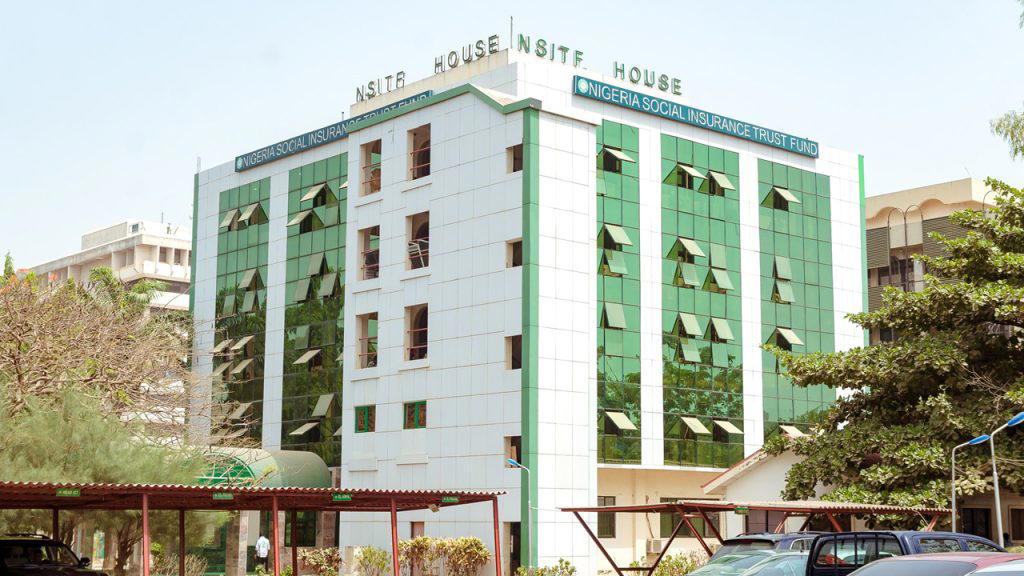
The Nigeria Social Insurance Trust Fund, NSITF, has expressed concerns over the state of workplaces in the country, with Managing Director Oluwaseun Faleye stating that Nigerian workers are now one of the most vulnerable groups in society due to increasing occupational risks and inadequate workplace protection measures.
nThis declaration was made during a panel session at the International Civil Service Conference in Abuja, where stakeholders discussed "Inclusive public services for women, youths, persons with disabilities and vulnerable groups", with Faleye being represented by the Fund's Abuja Regional Manager, Mrs Bridget Ashang.
nThe NSITF remains committed to protecting vulnerable groups, especially persons living with disabilities, through effective occupational safety and health measures as well as the Employees' Compensation Scheme, ECS, according to Faleye.
nThe Employees' Compensation Scheme serves as a critical social protection mechanism for workers who suffer injuries, disabilities, diseases or death in the course of work, with dependants of deceased workers being supported until the last child attains the age of 21 or graduates from a tertiary institution.
nFaleye emphasized that while compensation is part of the Fund's statutory mandate, the agency now places stronger emphasis on prevention of workplace accidents and occupational hazards, with the mantra "Prevention is better than compensation" guiding their approach.
nThe NSITF carries out audits, identifies gaps in workplaces, recommends corrective actions, and guides employers on best practices, as stated by Faleye, who noted that the agency is leading in Occupational Safety and Health.
nFaleye lamented that workers are often overlooked in conversations around social protection despite the enormous risks they face daily, pointing out that they are among the most vulnerable groups in society.
nHe described workers as a vulnerable group that people hardly consider vulnerable, citing their daily commute to work, long hours, and various forms of labour as factors that contribute to their vulnerability.
nFaleye noted that many disabilities recorded in the country arise from workplace-related incidents, and insisted that employers must create safe, healthy, and inclusive work environments for all categories of workers, including women, youths, and persons living with disabilities.
nThe NSITF regularly conducts workplace occupational safety inspections to ensure accessibility and inclusiveness for vulnerable employees, according to Faleye.
nHowever, Faleye decried the absence of punitive provisions in the existing law guiding workplace protection, stating that while the law requires employers to ensure workers are properly protected, there are no sanctions for non-compliance.
nOther panellists at the session included Permanent Secretary, Federal Ministry of Health, Kachallom Daju; Permanent Secretary, Federal Ministry of Humanitarian Affairs, Mr Olubunmi Olusanya; Permanent Secretary, Federal Ministry of Justice and Solicitor General of the Federation, Mrs Beatrice Jedy-Agba; disability rights advocate, Dr Jake Epelle; Hansatu Adegbite; and Kristin Envig.
Related Stories
 General News
CELEBRATING TWO YEARS OF TRANSFORMATIONAL LEADERSHIP IN THE PRESIDENTIAL AMNESTY PROGRAMME
Tomorrow, 14TH March 2026, as we look forward to the second anniversary, we reflect on the remarkable two years since the Administrator of the Preside
 General News
PRESIDENTIAL AMNESTY PROGRAMME PHASE 3: DISREGARD PURPORTED STATEMENT ON DELAYED ITA PAYMENTS — OFFICE OF NATIONAL CHAIRMAN
The Office of the National Chairman of the Presidential Amnesty Programme Phase 3, General Elaye ThankGod Dollar Slaboh, has called on beneficiaries a
 General News
RE: CLARIFICATION ON MY PERSONAL RELATIONSHIPS
PUBLIC NOTICErnrnRE: CLARIFICATION ON MY PERSONAL RELATIONSHIPSrnrnIt has become necessary to make this public clarification following the increasing