
Nations That Competed in the World Cup Both During and Following Wartime
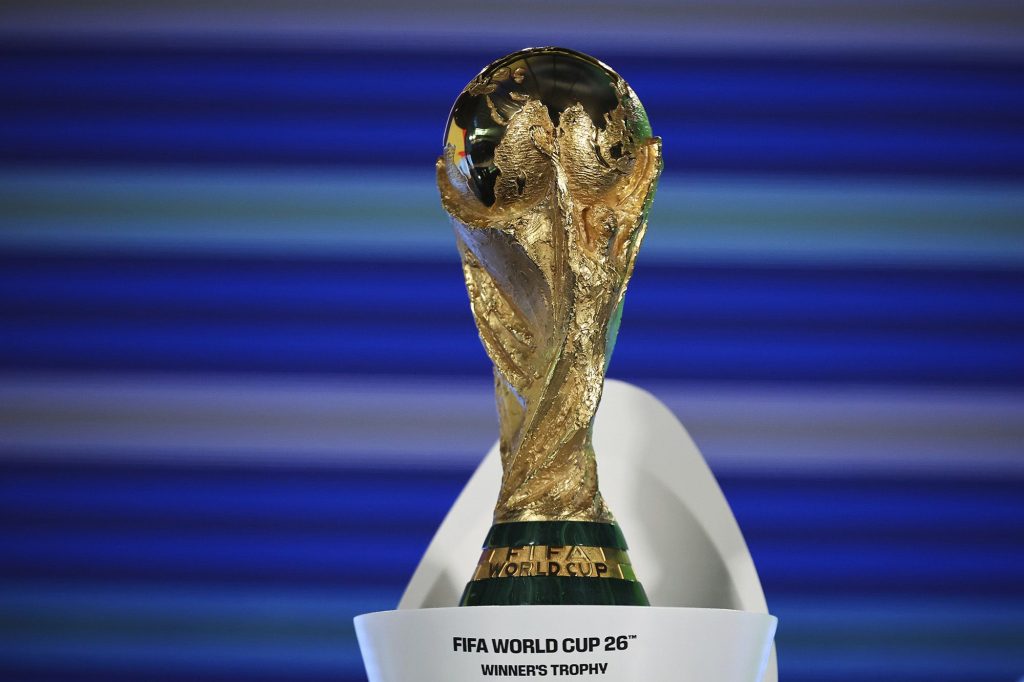
Throughout history, football has served as a powerful emblem of unity and resilience, particularly in times of conflict and war, with several countries competing in the FIFA World Cup amidst turmoil. This phenomenon has been observed across various nations, where participation in the tournament has transcended the realm of sports to become a testament to national pride and survival.
nCroatia's debut at the 1998 FIFA World Cup was a remarkable example, as the team finished third despite the country's recent devastating experience in the Croatian War of Independence. This achievement was a beacon of hope and unity for the nation, as football played a significant role in bringing the people together in the war's aftermath.
nIn the aftermath of World War II, West Germany's victory at the 1954 FIFA World Cup, known as the "Miracle of Bern," marked a significant turning point in the country's recovery and renewal. This historic win symbolized the nation's resurgence and its ability to heal and move forward from the destruction of war.
nArgentina's participation in the 1982 FIFA World Cup took place during the Falklands War, with the tournament being overshadowed by the conflict, yet the experience showcased the country's unwavering determination. This resolve ultimately culminated in Argentina's World Cup triumph in 1986, a testament to the nation's unrelenting spirit.
nDespite being embroiled in the Iran–Iraq War, Iraq managed to qualify for the 1986 FIFA World Cup, providing a rare and fleeting moment of unity and hope for a nation grappling with prolonged conflict. This achievement highlighted the enduring power of football to bring people together, even in the most challenging of circumstances.
nFollowing the Yugoslav Wars, Serbia, then part of the Federal Republic of Yugoslavia, competed in the 1998 FIFA World Cup, demonstrating the persistence of football amidst political instability and turmoil. This participation underscored the sport's ability to transcend the complexities of politics and war.
nYears after the Bosnian War, Bosnia and Herzegovina made its historic debut at the 2014 FIFA World Cup, marking a significant milestone in the country's journey of national rebuilding and reconciliation. This momentous occasion highlighted the role of football in promoting unity and healing in the aftermath of conflict.
nMore recently, Russia hosted the 2018 FIFA World Cup, amidst geopolitical tensions linked to the Russo-Ukrainian War, underscoring the sport's capacity to continue and even thrive in complex and challenging political climates. This event served as a testament to the enduring appeal and resilience of football, even in the face of adversity and conflict.
Related Stories
 General News
CELEBRATING TWO YEARS OF TRANSFORMATIONAL LEADERSHIP IN THE PRESIDENTIAL AMNESTY PROGRAMME
Tomorrow, 14TH March 2026, as we look forward to the second anniversary, we reflect on the remarkable two years since the Administrator of the Preside
 General News
PRESIDENTIAL AMNESTY PROGRAMME PHASE 3: DISREGARD PURPORTED STATEMENT ON DELAYED ITA PAYMENTS — OFFICE OF NATIONAL CHAIRMAN
The Office of the National Chairman of the Presidential Amnesty Programme Phase 3, General Elaye ThankGod Dollar Slaboh, has called on beneficiaries a
 General News
RE: CLARIFICATION ON MY PERSONAL RELATIONSHIPS
PUBLIC NOTICErnrnRE: CLARIFICATION ON MY PERSONAL RELATIONSHIPSrnrnIt has become necessary to make this public clarification following the increasing