
National Outlook: The Media's Oversight Function Must Be Maintained, Says Opadokun
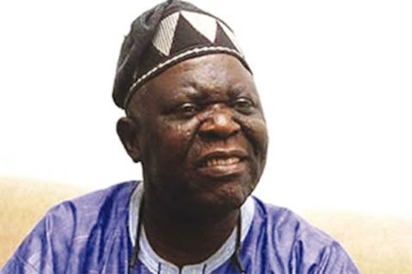
Ayo Opadokun
nBy Clifford Ndujihe, Politics Editor
nGeneral Secretary of the National Democratic Coalition, NADECO, Chief Ayo Opadokun, has recalled the role the media played in the struggle to restore democracy in the Nigeria and urged sustenance of the role to deepen the country’s democracy.
nHe also wants governments to be accountable, uphold the rule of law and respect democratic institutions, warning that Democracy is not self-sustaining- it requires continuous commitment from those in power and vigilance from citizens.
nNADECO, the foremost pro-democracy group that fought the military frontally for the restoration of civil rule in 1999, will hold its Democracy anniversary in Lagos on May 20, 2026.
nIn an interview on the state of the nation and the event that will be held at the Shell Hall of the MUSON Centre, Onikan, Lagos. Opadokun, said the gathering would serve as a moment of reflection, remembrance and recommitment to the democratic ideals fought for during the military era.
nAccording to him, highlights of the event include the launch of The NADECO Story, a publication documenting the struggles and sacrifices of pro-democracy activists between 1994 and 1998.
nOpadokun said medals of honour and appreciation would also be conferred on founding members of NADECO, human rights activists, media organisations, journalists and diplomatic missions that supported Nigeria’s democratic struggle.
nAccording to him, the NADECO Special Day is not merely a ceremonial gathering; it is a moment of reflection, remembrance and reaffirmation of the democratic ideals for which countless Nigerians struggled and sacrificed, and in some cases paid the ultimate price,” he said.
n“NADECO remains committed to the ideals of justice, accountability, rule of law, and true federalism. The story we are launching is not just about the past-it is a living narrative that challenges all Nigerians to defend and deepen democracy.”
nHe said: This year’s programme will feature three major components:
n•The Launch of the NADECO Story
nThis landmark publication documents the history, struggles, resilience, and sacrifices of NADECO and its allies during one of the most turbulent periods in Nigeria’s political evolution, particularly between 1994 and 1998. It is both a historical record and a guide for future generations on the cost and value of democracy.
n•Recognition and Awards Ceremony
nWe shall confer Medals of Honour and Appreciation on: founding members of NADECO; Affiliate organizations and partners; Friendly media houses and courageous journalists; Human rights activists; Diplomatic missions that stood in solidarity with the Nigerian people during the years of struggle.
nThese recognitions are long overdue acknowledgments of courage, integrity, and unwavering commitment to justice and democratic governance.
n•Commemoration of Democratic Struggles (1994-1998)
nThe event will serve as a solemn reminder of the dark days of authoritarian rule and the collective resistance that ultimately paved the way for the democratic dispensation we enjoy today.
nOpadokun urged the media to continue playing its watchdog role in sustaining democratic values and preserving the legacy of the pro-democracy movement.
nPurpose and sgnificance
nAsked the purpose and significance of the event, Opdakun said: “NADECO Day 2026 is designed to: Preserve the historical memory of Nigeria’s pro-democracy movement; Honour those who stood firm in the face of repression; Educate younger generations about the sacrifices behind our freedoms; Reinforce the need for vigilance in protecting democratic values.”
nLessons of the past
nAs we celebrate, we are also mindful that democracy is a continuous process. The lessons of the past must guide our actions today and shape our aspirations for the future.
nCall to the Media
n“We count on the media-as we did during the years of struggle-to continue playing its constitutional and vital role as the watchdog of society. Your presence, coverage, and engagement are essential in ensuring that the legacy of NADECO is preserved and its message widely shared. The emergence of the social media is a double edge sword positive and negative.
n“Society has to keep on developing strategies to reduce to the barest and tolerable level of emerging journalist without genuine attribution or responsibility to ply their new trade according to the ethics of the profession.
nAs journalist, we are enjoined as media personalities to leave out when in doubt.
nOn why is NADECO organizing this event now, nearly three decades after the struggle
nThis is not about the past alone-it is about preserving institutional memory and strengthening democratic culture. Many young Nigerians did not witness the events of 1994-1998, yet they are beneficiaries of those sacrifices. This event ensures that the history is documented, understood, and used as a guide for safeguarding democracy today.
nOn what makes The NADECO Story different from other historical accounts of Nigeria’s democracy
nThe NADECO Story is a first-hand account from key actors within the movement. It goes beyond general narratives by documenting internal strategies, personal sacrifices, international collaborations, and the risks undertaken during military rule.
nIt is both historical documentation and a moral compass for future democratic engagement.
nOn criticism that NADECO has become less visible in recent years
nNADECO was formed as a resistance movement during a specific historical crisis.
nWhile the context has changed, the ideals remain constant. Our role has evolved from resistance to advocacy, reflection, and accountability. This event is part of reaffirming that NADECO is still relevant as a moral voice in Nigeria’s democratic journey.
nOn the criteria used in selecting recipients for the Medals of Honour
nThe selection is based on verifiable contributions to the pro-democracy struggle between 1994 and 1998. This includes personal risk, consistency of advocacy, and measurable impact. We also considered institutions-such as media houses and diplomatic missions-that played critical roles in amplifying the cause of democracy.
nOn whether controversial figures will be excluded from the awards
nThis is not about controversy but about integrity of historical records. Recognition is based strictly on documented roles and contributions. Where there are ambiguities, we rely on verifiable evidence and collective validation from credible stakeholders.
nOn whether the event is politically motivated or aligned with any current political agenda
nNo. NADECO remains non-partisan. This event is historical and commemorative, not political. Our focus is on democratic values, not partisan interests. However, we will always speak on issues that affect democracy, governance, and the rule of law.
nOn the message of NADECO to the current Nigerian government
nOur message is consistent: uphold the rule of law, respect democratic institutions, and remain accountable to the people. Democracy is not self-sustaining-it requires continuous commitment from those in power and vigilance from citizens.
nOn the relevance of the struggles of 1994-1998 to Nigeria’s current challenges
nThey are highly relevant. Issues such as civil liberties, electoral integrity, and governance accountability remain central today. The past teaches us that democratic gains can be reversed if citizens become complacent.
nOn why NADECo is recognising diplomatic missions, and the role they played
nSeveral diplomatic missions provided moral, political, and sometimes material support during the struggle. They helped draw international attention to Nigeria’s situation and applied pressure where necessary. Their role was significant in sustaining global awareness and support.
nOn the role he expects the media to play after this event
nThe media remains a cornerstone of democracy. We expect continued investigative reporting, responsible journalism, and commitment to truth. Just as the media stood firm during military rule, it must remain vigilant in democratic times.
nOn whether NADECO will release more initiatives after this event
nYes. This event is part of a broader effort to institutionalize democratic memory and civic education.
nIn fact, NADECO is already planning for the building of a DEMOCRACY HOUSE in Lagos which was the Headquarter where most of the nationalists’ struggle for independence was waged. It has since become the national capital and the business nerve centre till date. The House will contain key departments including a Globally recognised digital library to provide factual historical trajectory of pre, and post-colonial Nigeria, and all relevant honest account of the state of the nation.
nThe House will contain a HALL OF FAME to preserve the legacies of our Independence nationalists and those who are deemed currently worthy to be so described as Heroes of Democracy.
nThe House will contain all accurate account of our independent struggles and campaigns as well as the unimpeachable historical account of the NADECO campaigns for restoration of democracy to Nigeria. 1994-1998.
nThe House will contain citizens Parliament, people’s interactive Corner for National dialogue and other features.
nFuture initiatives may include public lectures, youth engagement programs, and further publications.
nHow can young Nigerians connect with NADECO’s ideals today?
nBy becoming active citizens engaging in civic processes, demanding accountability, and defending democratic principles. We also encourage young people to read The NADECO Story and participate in dialogues about Nigeria’s future.
nOn whether plans to digitize NADECO archives for public access
nThat is under consideration. Making these materials accessible, especially to researchers and young Nigerians, is important for preserving history and encouraging informed civic participation.
nOn the expected outcome of this event
nWe expect renewed national awareness, proper recognition of unsung heroes, and a strengthened commitment to democratic values across all sectors of society.
n nRelated Stories
 General News
CELEBRATING TWO YEARS OF TRANSFORMATIONAL LEADERSHIP IN THE PRESIDENTIAL AMNESTY PROGRAMME
Tomorrow, 14TH March 2026, as we look forward to the second anniversary, we reflect on the remarkable two years since the Administrator of the Preside
 General News
PRESIDENTIAL AMNESTY PROGRAMME PHASE 3: DISREGARD PURPORTED STATEMENT ON DELAYED ITA PAYMENTS — OFFICE OF NATIONAL CHAIRMAN
The Office of the National Chairman of the Presidential Amnesty Programme Phase 3, General Elaye ThankGod Dollar Slaboh, has called on beneficiaries a
 General News
RE: CLARIFICATION ON MY PERSONAL RELATIONSHIPS
PUBLIC NOTICErnrnRE: CLARIFICATION ON MY PERSONAL RELATIONSHIPSrnrnIt has become necessary to make this public clarification following the increasing