
Naira's value against the US Dollar as of March 31, 2026
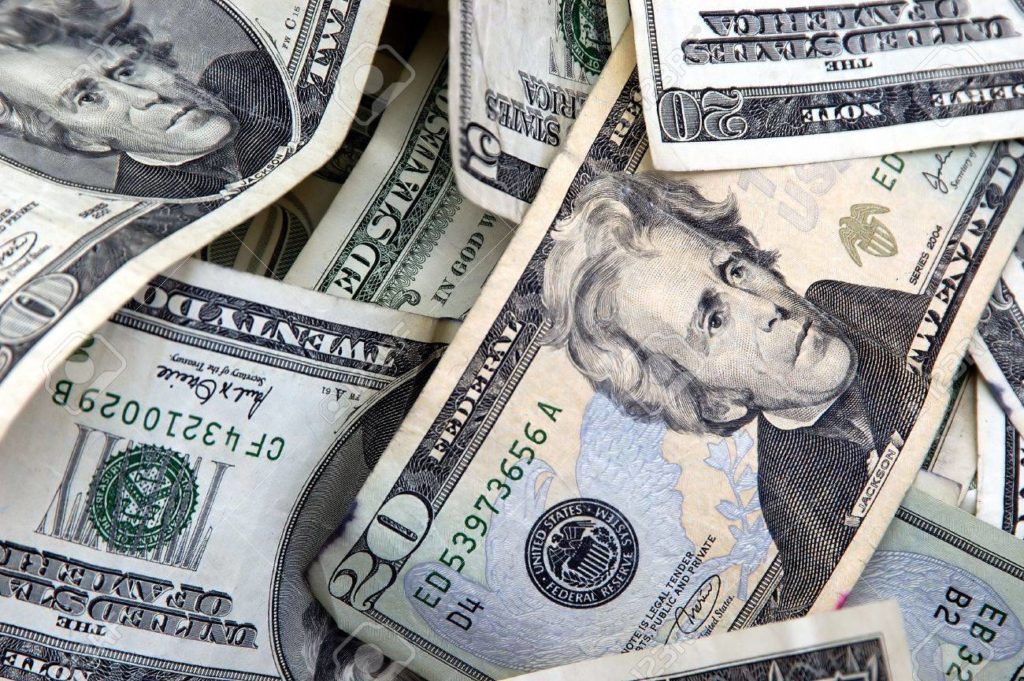
The Nigerian Naira maintained a steady performance against the United States Dollar in the official market as the first quarter of 2026 drew to a close, despite emerging pressures on the country’s external reserves.
nOfficial Market Performance (NFEM)
nAt the Nigerian Foreign Exchange Market (NFEM), the Naira opened the trading session on Tuesday, March 31, 2026, at ₦1,385.60 per Dollar. Real-time data from the morning hours showed a slight appreciation, with the rate firming up to ₦1,383.37 by mid-morning. This represents a marginal gain for the local currency as it stabilizes following a volatile period earlier in the month.
nThe relative stability in the official window is supported by the Central Bank of Nigeria’s (CBN) refined Electronic Foreign Exchange Matching System (EFEMS), which has improved price discovery. However, market participants remain cautious as the bank continues to navigate a complex environment of shifting capital flows and corporate end-of-quarter demand.
nParallel Market Trends
nIn the informal or “black market,” the Naira is trading within a narrow range, mirroring the stability seen in the official segment. Traders in major hubs like Lagos and Abuja are currently quoting the Dollar between ₦1,405 and ₦1,420 for selling. The spread between the official and parallel rates remains tight, sitting at approximately ₦22 to ₦35, a significant achievement in the CBN’s ongoing effort to unify the exchange rate regimes.
nMarket analysts note that the recent directive for International Money Transfer Operators (IMTOs) to route all remittances through Naira settlement accounts has started to influence market sentiment. While the policy is set for full implementation in May, its announcement has already begun to curb speculative interest in the parallel market.
nEconomic Backdrop and Reserve Pressures
nWhile the exchange rate remains stable, Nigeria’s foreign exchange buffers have faced renewed pressure. External reserves declined by approximately $547 million over the last two weeks, falling from $50.03 billion on March 11 to $49.48 billion by the end of the month. This drawdown is largely attributed to sustained market interventions and external debt obligations.
nDespite the dip in reserves, other macroeconomic indicators remain positive:
nInflation: Headline inflation cooled for the 11th consecutive month, reaching 15.06% in February, the lowest level since late 2020.
nOil Revenue: Global crude prices remain elevated, with Bonny Light trading near $103.69 per barrel. Although production remains at 1.46 million barrels per day—below the OPEC quota—the high price environment continues to provide essential support for the Federation account.
nPolicy Shifts: The CBN recently eliminated restrictions on international oil companies, allowing them to repatriate 100% of their export proceeds immediately. This move is expected to enhance capital mobility and long-term investor confidence.
nMarket Outlook
nAs Nigeria enters the second quarter of 2026, the focus shifts to whether the current stability can be sustained in the face of declining gross reserves. Traders expect the Naira to continue trading in the ₦1,380 to ₦1,400 corridor in the near term, provided that autonomous inflows from the services and manufacturing sectors remain consistent with the current trends.
n nRelated Stories
 General News
CELEBRATING TWO YEARS OF TRANSFORMATIONAL LEADERSHIP IN THE PRESIDENTIAL AMNESTY PROGRAMME
Tomorrow, 14TH March 2026, as we look forward to the second anniversary, we reflect on the remarkable two years since the Administrator of the Preside
 General News
PRESIDENTIAL AMNESTY PROGRAMME PHASE 3: DISREGARD PURPORTED STATEMENT ON DELAYED ITA PAYMENTS — OFFICE OF NATIONAL CHAIRMAN
The Office of the National Chairman of the Presidential Amnesty Programme Phase 3, General Elaye ThankGod Dollar Slaboh, has called on beneficiaries a
 General News
RE: CLARIFICATION ON MY PERSONAL RELATIONSHIPS
PUBLIC NOTICErnrnRE: CLARIFICATION ON MY PERSONAL RELATIONSHIPSrnrnIt has become necessary to make this public clarification following the increasing