
Naira's value against the US Dollar as of June 10, 2026
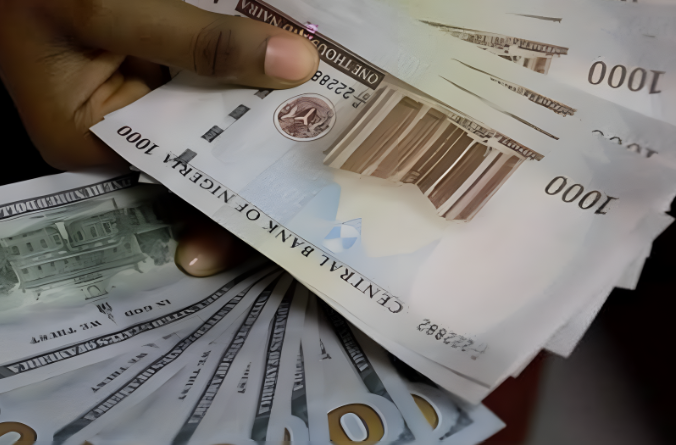
On Wednesday, June 10, 2026, the Nigerian naira maintained a relatively stable position against the United States dollar, with market participants closely watching liquidity and foreign exchange demand across both the official Nigerian Foreign Exchange Market and the parallel market.
nThe official NFEM rate stood at approximately ₦1,360.55 per dollar as of June 9, the latest available rate, marking a marginal shift from the previous closing rate of ₦1,359.50 per dollar, according to data from the Central Bank of Nigeria's exchange rate portal.
nThe volume-weighted NFEM rate remains the benchmark for foreign exchange transactions in Nigeria, serving as the official reference point for such dealings.
nIn the parallel market, the dollar was traded at rates ranging from ₦1,390 to ₦1,405 per dollar, with the specific rate dependent on the location and volume of the transaction.
nMarket trackers observed average buying rates of around ₦1,390–₦1,395 and average selling rates of around ₦1,400–₦1,405 on June 10, reflecting the prevailing market conditions.
nThe difference between the official and parallel market rates remained relatively narrow, at about ₦30 to ₦45 per dollar, indicating improved convergence in the market compared to previous years.
nA summary of the exchange rates for June 10, 2026, shows the official NFEM rate at about ₦1,360.55/$, the parallel market buying rate at about ₦1,390–₦1,395/$, and the parallel market selling rate at about ₦1,400–₦1,405/$.
nRecent market data indicates that the naira has strengthened modestly in the official market over the past week, with the dollar trading within the ₦1,360–₦1,375 range.
nCurrency dealers noted that actual exchange rates can vary across different cities and individual transactions due to factors such as differences in demand, supply, and transaction size.
Related Stories
 General News
CELEBRATING TWO YEARS OF TRANSFORMATIONAL LEADERSHIP IN THE PRESIDENTIAL AMNESTY PROGRAMME
Tomorrow, 14TH March 2026, as we look forward to the second anniversary, we reflect on the remarkable two years since the Administrator of the Preside
 General News
PRESIDENTIAL AMNESTY PROGRAMME PHASE 3: DISREGARD PURPORTED STATEMENT ON DELAYED ITA PAYMENTS — OFFICE OF NATIONAL CHAIRMAN
The Office of the National Chairman of the Presidential Amnesty Programme Phase 3, General Elaye ThankGod Dollar Slaboh, has called on beneficiaries a
 General News
RE: CLARIFICATION ON MY PERSONAL RELATIONSHIPS
PUBLIC NOTICErnrnRE: CLARIFICATION ON MY PERSONAL RELATIONSHIPSrnrnIt has become necessary to make this public clarification following the increasing