
Naira vs US Dollar exchange rate for May 1, 2026
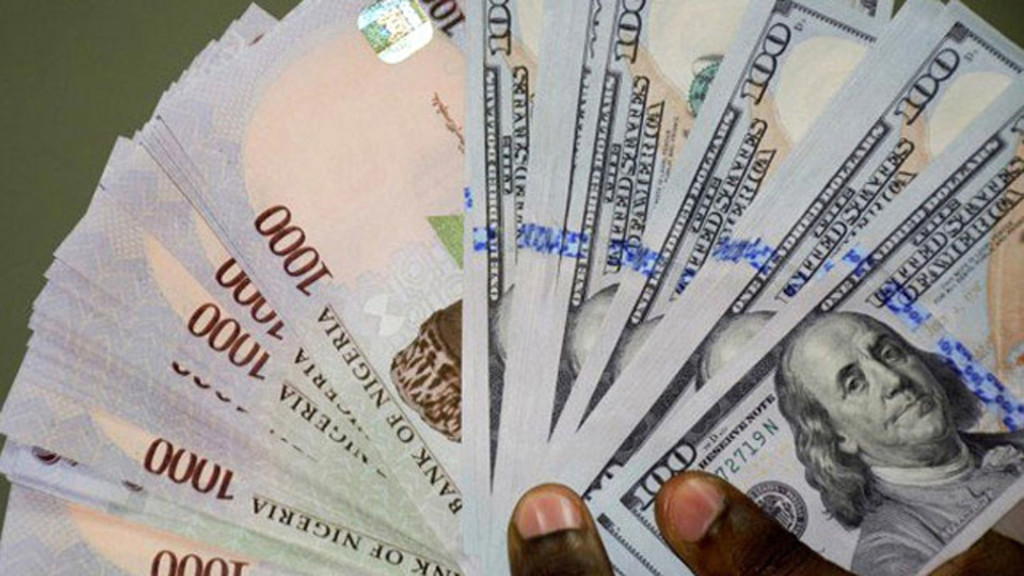
The Nigerian Naira began the month of May with slight fluctuations in value against the US Dollar, with movements observed in both the official and informal markets as of May 1, 2026.
nData from the Nigerian Foreign Exchange Market and various parallel market points in Lagos and Abuja revealed the local currency's ongoing struggle to establish a stable value.
nIn the official market, the Naira commenced trading at approximately 1,374.69 per Dollar, following a period of marginal volatility during the final trading sessions of April.
nAccording to market analysts, the supply of liquidity from the Central Bank played a crucial role in maintaining the current exchange rate band, with the previous day's closing rate settling near the 1,375 mark.
nThe official window continued to experience steady demand for trade-related transactions, with the spread between the high and low points of the morning session remaining narrow, reflecting a cautious start to the month.
nIn the parallel market, also known as the black market, the Dollar was being exchanged at rates close to the official figures, with Bureau De Change operators quoting rates between 1,374 and 1,376 per Dollar.
nThe convergence of the official and parallel rates was a significant highlight for the economy, as it reduced the incentive for round-tripping and speculative hoarding.
nDespite the relative stability, local traders reported a slight increase in demand for the British Pound and Canadian Dollar, which were trading at respective parallel market rates of approximately 1,735 and 1,010.
nThe stability of the exchange rate as of May 1 was attributed to consistent interventions and the monitoring of foreign capital inflows.
nHowever, stakeholders were closely watching global oil prices and domestic inflation figures, which often dictate the long-term trajectory of the Naira.
nFor many Nigerians, the narrowing gap between the NFEM and parallel market rates provided a clearer picture for planning, although the high cost of imports continued to put pressure on consumer goods and electronics prices across the country.
Related Stories
 General News
CELEBRATING TWO YEARS OF TRANSFORMATIONAL LEADERSHIP IN THE PRESIDENTIAL AMNESTY PROGRAMME
Tomorrow, 14TH March 2026, as we look forward to the second anniversary, we reflect on the remarkable two years since the Administrator of the Preside
 General News
PRESIDENTIAL AMNESTY PROGRAMME PHASE 3: DISREGARD PURPORTED STATEMENT ON DELAYED ITA PAYMENTS — OFFICE OF NATIONAL CHAIRMAN
The Office of the National Chairman of the Presidential Amnesty Programme Phase 3, General Elaye ThankGod Dollar Slaboh, has called on beneficiaries a
 General News
RE: CLARIFICATION ON MY PERSONAL RELATIONSHIPS
PUBLIC NOTICErnrnRE: CLARIFICATION ON MY PERSONAL RELATIONSHIPSrnrnIt has become necessary to make this public clarification following the increasing