
Naira to US Dollar conversion rate for April 23, 2026
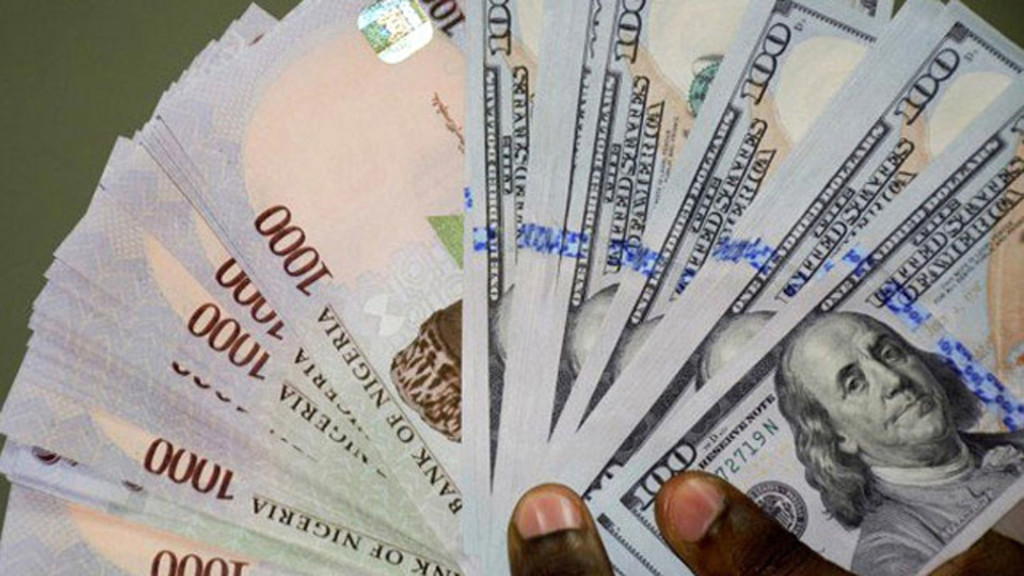
On Thursday, April 23, 2026, the Nigerian Naira experienced a slight decline in value against the US Dollar during the early hours of trading, with this trend observed in both the official and parallel foreign exchange markets. The market's performance is being closely monitored by financial analysts due to the ongoing mid-week demand for the US Dollar, which is influencing the stability of exchange rates.
nThe Nigerian Foreign Exchange Market, or NFEM, saw the Naira open with a modest depreciation, with the currency trading at an average of 1,351.59 NGN per 1 USD, according to real-time data from the FMDQ Securities Exchange.
nThis average represents a marginal decline compared to the opening rates seen earlier in the week, where the Naira had found support near the 1,347 NGN level. The market turnover at the official window is a key focus for investors, given the Central Bank of Nigeria's policy of managed float aimed at curbing excessive volatility while ensuring essential sectors have access to foreign currency.
nIn the parallel market, the US Dollar continues to trade at a significant premium compared to the official rate, with early morning reports from Bureau De Change operators in major hubs indicating exchange rates ranging between 1,465 NGN and 1,480 NGN.
nThese rates are being observed in locations such as Lagos, specifically Ikeja and Broad Street, Abuja's Wuse Zone 4, and Kano, highlighting the disparity between the official and parallel markets.
nThe spread between the NFEM and the parallel market is approximately 113 Naira, a gap attributed by experts to the unmet demand from small-scale importers and individuals seeking personal travel allowances who find the official channels more stringent.
nThe current pressure on the Naira is largely due to sustained demand for the US Dollar to fund international trade obligations and service foreign debt, as well as the recent fluctuations in global oil prices, which is Nigeria's primary source of foreign exchange.
nThese fluctuations continue to dictate the strength of the nation's external reserves, with the trading session expected to stabilize as it progresses into the afternoon, though any significant intervention from the apex bank or shifts in market liquidity could alter the closing figures for the day.
nMarket participants are advised to monitor official closing reports for a comprehensive view of the day's performance, providing a clearer understanding of the market's trajectory.
Related Stories
 General News
CELEBRATING TWO YEARS OF TRANSFORMATIONAL LEADERSHIP IN THE PRESIDENTIAL AMNESTY PROGRAMME
Tomorrow, 14TH March 2026, as we look forward to the second anniversary, we reflect on the remarkable two years since the Administrator of the Preside
 General News
PRESIDENTIAL AMNESTY PROGRAMME PHASE 3: DISREGARD PURPORTED STATEMENT ON DELAYED ITA PAYMENTS — OFFICE OF NATIONAL CHAIRMAN
The Office of the National Chairman of the Presidential Amnesty Programme Phase 3, General Elaye ThankGod Dollar Slaboh, has called on beneficiaries a
 General News
RE: CLARIFICATION ON MY PERSONAL RELATIONSHIPS
PUBLIC NOTICErnrnRE: CLARIFICATION ON MY PERSONAL RELATIONSHIPSrnrnIt has become necessary to make this public clarification following the increasing