
Naira exchange value against the Pound as of March 9, 2026
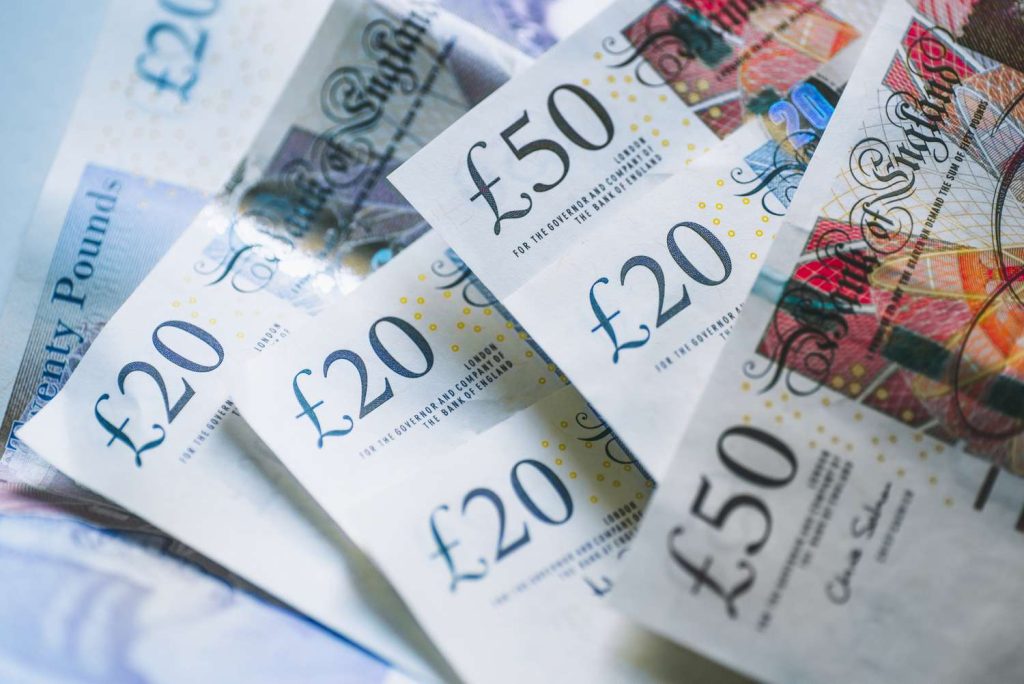
The British Pound commenced the second full week of March 2026 on a strong note, gaining ground against the Nigerian Naira on Monday, March 9, 2026, as evidenced by real-time data from the Nigerian Foreign Exchange Market and informal trading channels.
nThis upward trend is largely attributed to increased global demand for safe-haven assets and a seasonal surge in international remittance needs, which has put pressure on the local currency.
nIn the official market, the Naira started the day at 1,846.10 per Pound, with the rate experiencing moderate fluctuations throughout the morning, reaching a high of 1,852.28 before climbing further to 1,856.06 by 6:00 AM WAT.
nThis translates to a 1.62% intraday depreciation for the Naira from the start of the session, highlighting the currency's vulnerability to external factors.
nMarket liquidity remains a key concern for authorized dealers, who note that the Central Bank of Nigeria's support for a “willing-buyer-willing-seller” model, coupled with the recent 50-basis-point cut in the Monetary Policy Rate to 26.5%, has led to a minor adjustment in currency values.
nThe official mean rate for the day is currently hovering around 1,851.40, as the market seeks to balance corporate demand with steady supply, indicating a degree of stability in the foreign exchange market.
nIn the parallel market, the Naira is trading within a range of 1,865 to 1,880 per Pound, maintaining a consistent premium over the official rate, with the spread between the two windows remaining historically narrow at approximately 1.3%.
nTraders in major cities like Lagos and Abuja report that, despite the slight weakening of the Naira, there is no evidence of panic-buying, which is attributed to the ongoing supply of foreign exchange to Bureau De Change operators that has effectively absorbed excess retail demand.
nSeveral key factors are influencing the Pound-to-Naira exchange rate, including global risk-off sentiment, driven by rising geopolitical tensions in the Middle East, which has strengthened major currencies like the Pound and the Dollar against emerging market currencies.
nNigeria's external reserves, currently standing near a multi-year high of 50.45 billion dollars, provide a significant buffer against liquidity shocks, while the disinflationary trend, with headline inflation slowing to 15.10% in January, has helped to maintain the real value of the Naira.
nThe energy sector has also played a role, with increased domestic refining capacity reducing the demand for foreign exchange for petroleum imports, thereby insulating the Naira from some external price shocks.
nAs the trading day unfolds, analysts anticipate that the exchange rate will fluctuate within the 1,845 to 1,865 range in the official window, with market participants eagerly awaiting mid-week liquidity reports from the central bank.
Related Stories
 General News
CELEBRATING TWO YEARS OF TRANSFORMATIONAL LEADERSHIP IN THE PRESIDENTIAL AMNESTY PROGRAMME
Tomorrow, 14TH March 2026, as we look forward to the second anniversary, we reflect on the remarkable two years since the Administrator of the Preside
 General News
PRESIDENTIAL AMNESTY PROGRAMME PHASE 3: DISREGARD PURPORTED STATEMENT ON DELAYED ITA PAYMENTS — OFFICE OF NATIONAL CHAIRMAN
The Office of the National Chairman of the Presidential Amnesty Programme Phase 3, General Elaye ThankGod Dollar Slaboh, has called on beneficiaries a
 General News
RE: CLARIFICATION ON MY PERSONAL RELATIONSHIPS
PUBLIC NOTICErnrnRE: CLARIFICATION ON MY PERSONAL RELATIONSHIPSrnrnIt has become necessary to make this public clarification following the increasing