
Motor Lubricant: The Vital Component That Keeps Your Vehicle Running
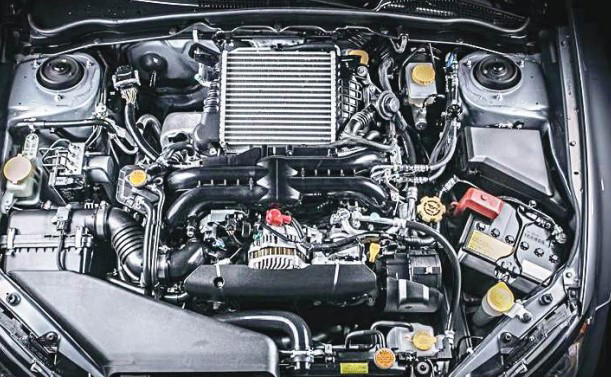
Engine oil plays a vital role in a vehicle's operation, serving as the lifeblood that enables it to function smoothly, much like blood does in the human body, as noted by Theodore Opara. It not only keeps the engine running but also lubricates moving parts, reduces friction, and prevents overheating, highlighting its importance in the overall performance of the vehicle.
nThere are various types of engine oils available, each with its own unique characteristics, and the right one is determined by the engine's design and age, with older vehicles typically requiring lower-grade oils and modern engines needing more advanced options like semi-synthetic or fully synthetic oils.
nCommon engine oil grades include 5W-20, 5W-30, 10W-40, and 0W-20, and selecting the correct one is crucial, as each engine is built to perform optimally with a specific type of oil.
nOnce engine oil is poured into an engine, it immediately starts working, lubricating components, reducing heat, and cleaning internal parts, and whether the car is driven or not, the oil starts to degrade over time.
nThe effectiveness of engine oil is gradually lost over time due to various factors, including driving habits, engine type, climate, and mileage, which all influence how long the oil lasts.
nEngine oil ensures the smooth operation of a vehicle by lubricating moving parts, minimizing wear, cooling the engine, preventing corrosion, and trapping dirt and debris, which are then filtered out, demonstrating its multifaceted role in maintaining the engine's health.
nWithout proper lubrication, an engine can overheat, seize, or suffer irreversible damage, making it essential to maintain the right oil level and change it on schedule to prevent such issues.
nFor most modern vehicles using semi-synthetic or fully synthetic oil, oil changes are recommended every 5,000 to 7,500 kilometres, or every 6 to 12 months, although some vehicles can go longer, up to 10,000 to 15,000 kilometres, depending on manufacturer specifications.
nClimate and driving conditions also play a significant role in determining how often to change the engine oil, with hot environments or heavy traffic conditions causing the oil to degrade faster, and the quality of the oil filter being equally important to prevent premature failure.
nOlder vehicles using conventional oil typically require more frequent changes, around 3,000 to 5,000 kilometres, and factors like frequent short trips, stop-and-go driving, extreme temperatures, or towing also demand more regular oil changes.
nEven if a vehicle is rarely used, the oil should still be changed at least two to three times a year, as it naturally deteriorates over time, and when in doubt, 5,000 kilometres remains a safe benchmark for oil changes.
nThere are several signs that indicate a car needs an oil change, including a warning light on the dashboard, engine noise or knocking sounds, dark, thick, or gritty oil, a burning oil smell inside the car, blue or grey exhaust smoke, excessive mileage since the last change, engine vibrations while idling, and oil spots under the vehicle.
nRegularly checking the oil with a dipstick can help detect problems early and prevent costly damage, highlighting the importance of proactive maintenance in extending the life of the vehicle.
Related Stories
 General News
CELEBRATING TWO YEARS OF TRANSFORMATIONAL LEADERSHIP IN THE PRESIDENTIAL AMNESTY PROGRAMME
Tomorrow, 14TH March 2026, as we look forward to the second anniversary, we reflect on the remarkable two years since the Administrator of the Preside
 General News
PRESIDENTIAL AMNESTY PROGRAMME PHASE 3: DISREGARD PURPORTED STATEMENT ON DELAYED ITA PAYMENTS — OFFICE OF NATIONAL CHAIRMAN
The Office of the National Chairman of the Presidential Amnesty Programme Phase 3, General Elaye ThankGod Dollar Slaboh, has called on beneficiaries a
 General News
RE: CLARIFICATION ON MY PERSONAL RELATIONSHIPS
PUBLIC NOTICErnrnRE: CLARIFICATION ON MY PERSONAL RELATIONSHIPSrnrnIt has become necessary to make this public clarification following the increasing